

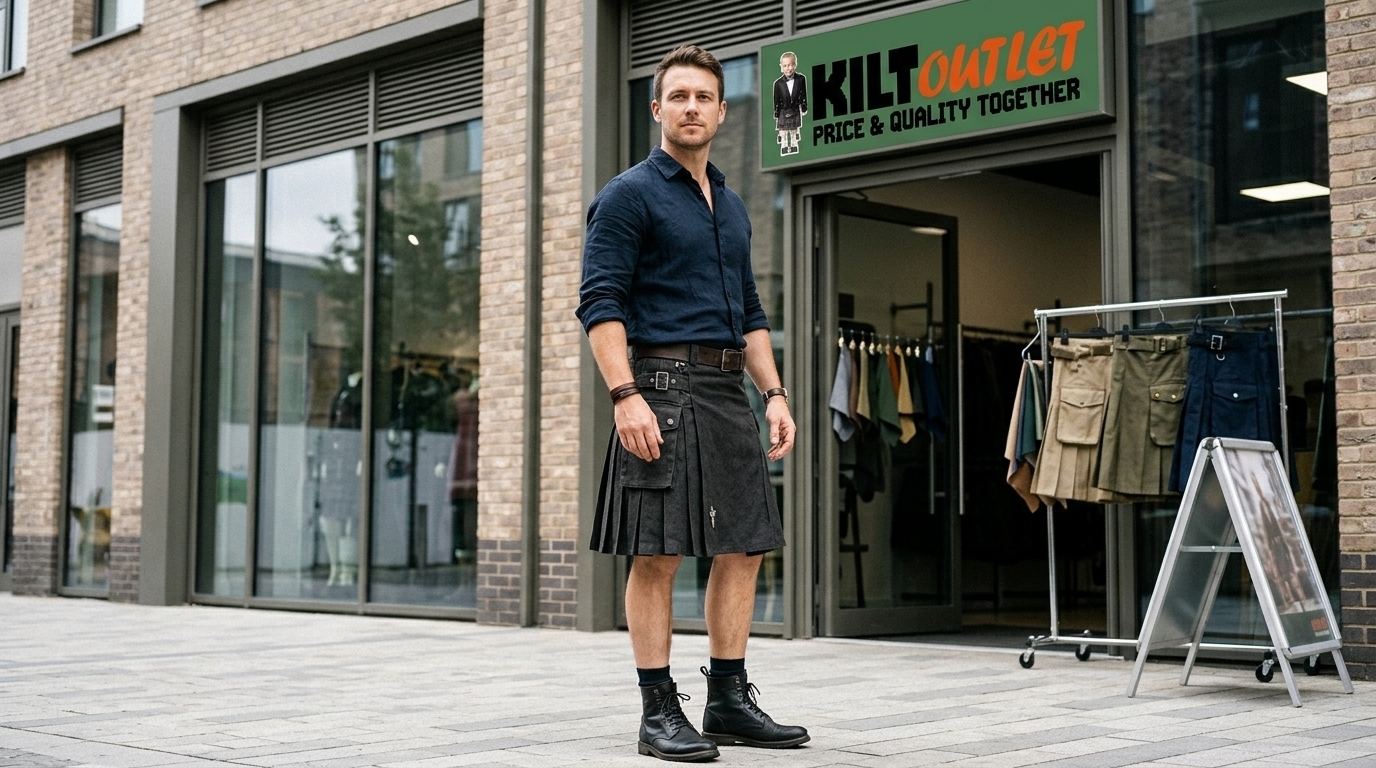

A modern kilt can look great on a screen and still fail in everyday use. Heavy fabric, poor sizing, awkward pockets, or a difficult fastening system can turn a garment into something you rarely wear. The best choice starts with how the kilt needs to work in your wardrobe.
For men comparing best Modern kilt for Mens, focus on fabric, fit, movement, storage, construction, maintenance, and versatility. These factors help you choose a design that looks distinctive while remaining practical.
Start With the Intended Use
Think about where you plan to wear the kilt. Casual outings, festivals, family gatherings, outdoor activities, and regular everyday use can require different features.
A simple design may work well for daily casual wear. A utility-focused kilt can suit someone who wants additional storage and practical details.
If you want one kilt for several occasions, prioritize versatility from the beginning.
Choose the Fabric Carefully
Fabric influences weight, structure, comfort, and appearance. Cotton can provide a familiar and relaxed feel, while denim or heavier materials can create a firmer silhouette.
Synthetic blends can offer different combinations of durability and maintenance convenience. The exact composition matters, so review the product specification instead of relying on a broad material label.
Consider your climate too. Heavy fabric can feel uncomfortable in hot weather, while lighter materials may work better in warm conditions.
Check the Fit
A modern kilt should stay secure while allowing natural movement. Measure your waist according to the manufacturer's instructions rather than assuming your trouser size will match.
The waistband should feel comfortable without creating unnecessary pressure. Adjustable straps or fasteners can provide useful fitting flexibility.
Check the length as well. A balanced length can improve both movement and overall appearance.
Consider Freedom of Movement
One benefit of the kilt design is the space around the legs. The garment should allow you to walk, sit, bend, and move without unnecessary restriction.
Fabric stiffness can affect mobility. Heavier materials can provide structure, but excessively stiff construction may feel uncomfortable during active use.
Think about your normal activities before choosing the material and cut.
Decide How Much Storage You Need
Modern kilts often include pockets or utility compartments. These features can make a garment more practical for everyday use.
Think about what you actually carry. A phone, wallet, keys, or small personal items may require only modest storage.
More pockets do not automatically create a better kilt. Extra compartments can add weight and alter the appearance.
Choose storage based on genuine needs rather than selecting features simply because they appear useful.
Examine the Fastening System
Modern kilts can use buckles, straps, buttons, snaps, or combinations of these features.
The fastening system should keep the garment secure while allowing comfortable adjustment. Check whether you can easily operate the fasteners yourself.
Inspect the stitching around these areas because repeated adjustment can put stress on the surrounding material.
Match the Design With Your Wardrobe
A modern kilt should work with clothing you already own. Think about your shirts, jackets, footwear, and accessories before choosing a design.
A neutral color can provide more styling flexibility. A bold pattern or unusual finish can create a stronger statement but may work with fewer outfits.
Choose the balance that fits your personal style and the occasions where you expect to wear the kilt.
Style It for Different Occasions
A modern kilt can adapt to different settings when you select the right combination of clothing.
For casual use, pair it with a simple shirt and comfortable footwear. For an event, add a jacket, waistcoat, or selected accessories.
You do not need to make every outfit traditionally formal. The modern design allows you to create a look that reflects your preferences.
Inspect Construction Quality
Fabric quality alone does not guarantee a durable garment. Examine stitching, seams, pockets, fasteners, straps, and waistband construction.
Pay particular attention to areas that experience repeated movement or adjustment.
Clear product information can also help. Review the stated materials, measurements, care instructions, and construction details before ordering.
Think About Maintenance
Different fabrics require different care. Check the washing, drying, ironing, and storage instructions before buying.
If you plan to wear the kilt frequently, consider how easily it fits into your normal clothing-care routine.
Following the manufacturer's instructions can help protect the material and preserve the garment's appearance.
Consider Weather and Season
Your local climate should influence your material choice. Lightweight fabrics can work well in warm weather, while heavier materials may suit cooler conditions.
Layering can increase flexibility. A lighter kilt can work with a jacket or sweater when temperatures fall.
Consider the complete outfit rather than choosing the fabric in isolation.
Prioritize Versatility
A versatile kilt gives you more opportunities to wear it. Before buying, imagine several situations where the garment could fit naturally into your wardrobe.
If the kilt only works with one pair of shoes or one type of shirt, you may use it less often.
A balanced design can provide a distinctive appearance while remaining easy to style.
Test Before an Important Event
If you plan to wear the kilt for a wedding, festival, celebration, or another important occasion, test the complete outfit beforehand.
Walk around, sit down, climb stairs, and wear the accessories you intend to use. This can reveal problems with fit, footwear, fasteners, or comfort.
Make adjustments before the event rather than trying to solve them on the day.
Final Considerations
Choosing a modern kilt requires more than selecting an attractive design. Fabric, fit, movement, storage, construction, maintenance, and styling all influence the wearing experience.
Start with your intended use and climate, then compare the materials and features that support those needs. A carefully selected modern kilt can provide a distinctive and comfortable addition to a men's wardrobe while remaining practical enough for regular use.



