

Complete Oral Healthcare: A Practical Approach to Healthy Teeth and Gums
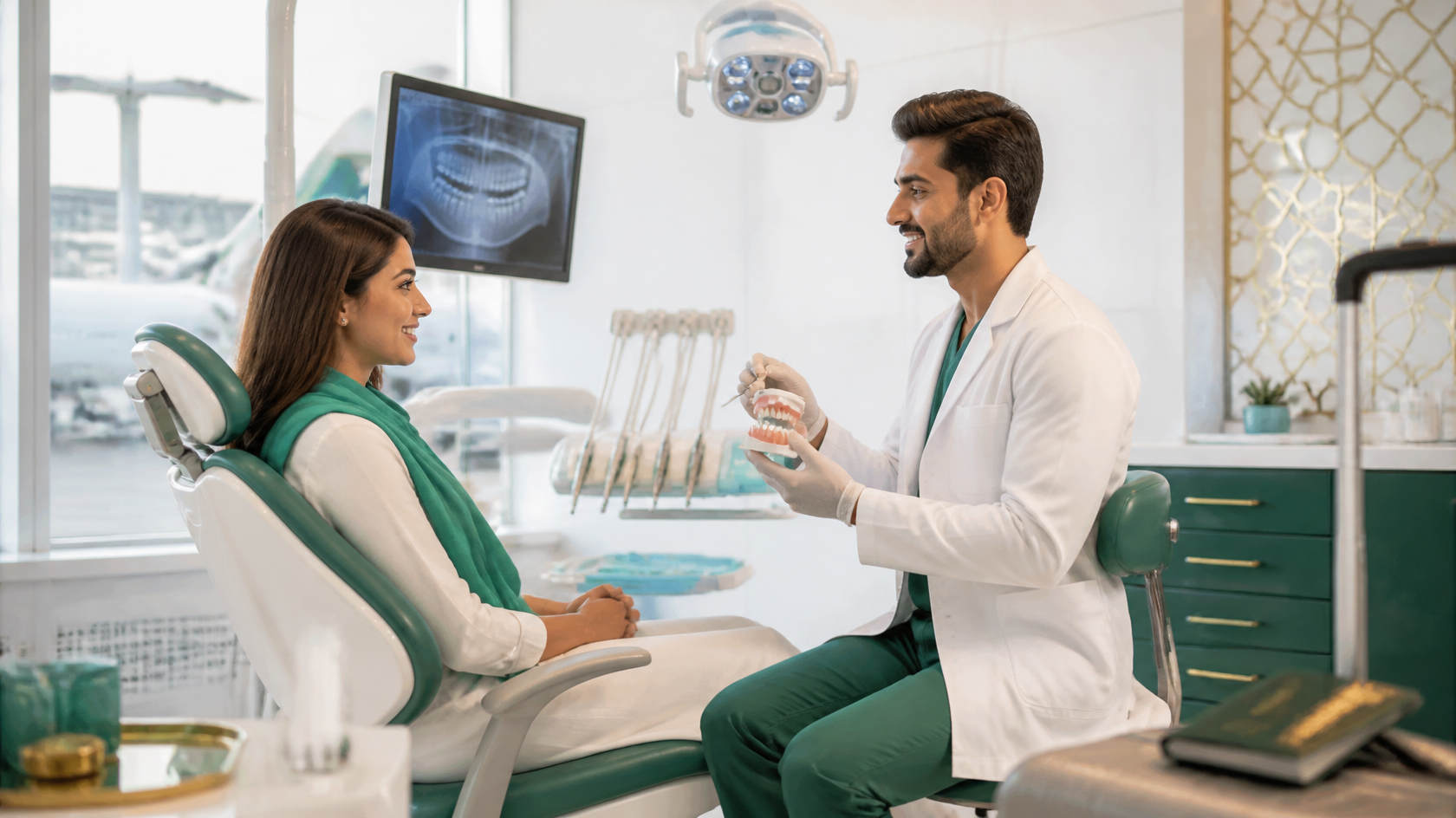
Oral health is closely connected to everyday comfort. Teeth help people chew food, gums provide support, and a healthy mouth contributes to clear speech and confidence. Maintaining these functions requires attention to more than individual dental problems. It involves looking after the teeth, gums, tongue, and other oral structures as part of an overall routine.
Complete Oral Healthcare focuses on maintaining the health of the entire mouth through prevention, examination, appropriate treatment, and long-term maintenance. It recognises that different oral health conditions can affect one another and that treatment should consider the patient's overall dental condition.
Whether someone wants to prevent cavities, manage gum problems, replace missing teeth, or improve their smile, a coordinated approach can help them understand their needs and make informed decisions.
Looking Beyond Individual Teeth
People sometimes think about oral health only when a tooth starts hurting. However, the mouth contains several structures that work together.
Teeth are responsible for biting and chewing. Gums and supporting bone help hold them in position. The tongue and soft tissues contribute to speech, taste, and other functions.
A problem affecting one area may influence another. For example, untreated gum disease can damage the structures supporting teeth, while missing teeth may affect chewing and the distribution of biting forces.
A comprehensive oral health assessment considers these relationships rather than focusing only on the most noticeable symptom.
The Foundation: Daily Oral Hygiene
Everyday hygiene is the first step towards maintaining oral health. Consistent habits help control plaque, reduce the risk of decay, and support healthy gums.
Brushing Correctly
Brush twice daily using fluoride toothpaste and a soft-bristled toothbrush. Use gentle movements and clean all accessible tooth surfaces, including the areas near the gumline.
Brushing too aggressively can irritate gums and contribute to tooth wear. A dentist can demonstrate an appropriate technique if you are unsure about your routine.
Cleaning Between Teeth
A toothbrush cannot effectively reach every space between teeth. Dental floss or suitable interdental brushes can help remove plaque and food particles from these areas.
The right cleaning method depends on tooth spacing, gum condition, and the presence of dental restorations.
Cleaning the Tongue
The tongue can collect bacteria and debris. Gentle tongue cleaning may help maintain oral hygiene and reduce some causes of bad breath.
Choosing Suitable Products
Fluoride toothpaste is commonly recommended for cavity prevention. People with sensitivity, gum problems, braces, implants, or other specific needs may benefit from additional products recommended by a dental professional.
Nutrition and Its Influence on Oral Health
Food and drink choices influence the environment inside the mouth.
Frequent exposure to sugary foods and beverages can increase the risk of tooth decay. Acidic drinks may contribute to enamel erosion, particularly when consumed frequently.
A balanced diet supports general health and provides nutrients needed for normal body functions. Drinking water regularly can also help maintain moisture in the mouth.
Consider these practical habits:
-
Reduce frequent sugary snacks.
-
Avoid sipping sweetened drinks throughout the day.
-
Choose water more often.
-
Include a variety of nutritious foods.
-
Avoid using sticky sweets as frequent snacks.
-
Follow dietary guidance after dental procedures.
The frequency of sugar exposure is important, not just the amount consumed at one time.
Understanding Common Oral Health Conditions
A complete approach to oral healthcare involves recognising common problems and seeking assessment when symptoms develop.
Tooth Decay
Tooth decay occurs when acids gradually damage tooth structure. Early changes may not cause pain, while more advanced decay can lead to sensitivity or discomfort.
Depending on the severity, treatment may involve preventive measures, fillings, or more extensive restoration.
Gum Disease
Gum disease begins with inflammation that may cause redness, swelling, or bleeding. If it progresses, it can damage the tissues and bone supporting the teeth.
Treatment may involve professional cleaning, periodontal procedures, and regular maintenance.
Tooth Sensitivity
Sensitivity can occur when teeth react to cold, heat, sweet foods, or acidic substances. Possible causes include enamel wear, gum recession, cavities, and cracks.
A dentist should identify the cause before recommending a suitable treatment.
Oral Infections
Dental infections may develop when bacteria reach deeper structures within a tooth or surrounding tissues. Symptoms can include pain, swelling, and tenderness.
Facial swelling or fever associated with dental pain requires urgent assessment. Difficulty breathing or swallowing requires emergency medical attention.
Missing Teeth
Tooth loss may affect chewing, speech, and bite balance. Depending on the circumstances, a dentist may discuss bridges, dentures, or dental implants.
The Role of Professional Dental Examinations
Home hygiene cannot replace a professional examination. Dentists can assess areas that are difficult to inspect and identify conditions that may not yet cause noticeable symptoms.
An examination may involve checking:
-
Tooth surfaces for decay and cracks.
-
Gum tissues for inflammation or recession.
-
Existing fillings, crowns, and bridges.
-
The bite and alignment of teeth.
-
Areas of discomfort or swelling.
-
Other visible changes within the mouth.
Diagnostic imaging may be recommended when necessary to assess structures that cannot be examined directly.
The frequency of visits depends on the patient's individual risk factors and dental history.
Professional Cleaning and Preventive Procedures
Even people who brush and floss consistently may develop hardened deposits in certain areas.
Scaling
Scaling removes hardened plaque deposits from the teeth. It may be recommended as part of routine preventive care or periodontal treatment.
Polishing
Polishing may help remove certain external stains and smooth tooth surfaces after cleaning.
Additional Preventive Measures
Depending on age and individual risk, a dentist may discuss fluoride applications, sealants, or other preventive measures.
These procedures should be recommended according to clinical needs rather than applied automatically to every patient.
Restoring the Function of Damaged Teeth
When teeth are affected by decay, fractures, or wear, restorative treatment may help return them to useful function.
Fillings
Fillings repair areas damaged by cavities. Composite materials can provide a tooth-coloured option when appropriate.
Crowns
Crowns cover damaged or weakened teeth. They may be made from zirconia, porcelain-based materials, or other options depending on the clinical situation.
Root Canal Treatment
Root canal treatment may be required when the pulp inside a tooth becomes inflamed or infected. The affected tissue is removed, the canal system is cleaned, and the space is sealed.
A final restoration may be needed to protect the tooth.
Replacing Missing Teeth
Bridges, dentures, and implants offer different ways to replace missing teeth. Their suitability depends on bone condition, surrounding teeth, gum health, medical history, and personal preferences.
Patients should understand the maintenance requirements and long-term considerations of each option.
Cosmetic Care as Part of Overall Oral Health
A healthy mouth and an attractive smile are related, but cosmetic procedures should not replace necessary dental treatment.
Whitening
Professional whitening may reduce selected types of discolouration. The dentist should check for cavities, gum problems, and sensitivity before treatment.
Veneers
Veneers can change the visible colour, shape, and proportions of selected teeth. Careful assessment is necessary because some procedures involve modifying natural tooth structure.
Composite Bonding
Bonding uses tooth-coloured resin to address certain minor cosmetic imperfections. It may be considered for small chips, gaps, and uneven edges.
Orthodontics
Braces and clear aligners can manage selected tooth alignment and bite problems. Treatment requires assessment, monitoring, and retention after active tooth movement.
Oral Healthcare for Children and Families
Good oral health habits are easier to establish when children learn them early.
Parents can help by supervising brushing, choosing age-appropriate oral hygiene products, and limiting frequent sugary snacks and drinks.
Children should receive dental assessments according to professional guidance. A dentist can monitor tooth development, identify cavities, and discuss preventive measures.
Teenagers may also need an orthodontic evaluation as permanent teeth develop.
For adults and older family members, attention may shift towards gum health, existing restorations, missing teeth, dry mouth, and denture maintenance.
Managing Oral Health During International Travel
People travelling internationally may need to plan dental appointments around flights, accommodation, and other commitments.
Before travelling for dental care, patients should share relevant medical information and available dental records with the provider. This can support an initial discussion, although a final diagnosis may require an in-person examination.
Treatment schedules should be realistic. Some procedures can be completed in a short period, while others require healing or several appointments.
Patients should also plan for care after returning home. Copies of treatment records, imaging, restoration details, and aftercare instructions can be useful for future dental reviews.
Lifestyle Habits That Affect Oral Health
Daily lifestyle choices can influence the condition of teeth and gums.
Smoking and tobacco use can negatively affect gum health and contribute to oral health risks. Frequent sugar consumption increases exposure to conditions associated with tooth decay.
Teeth grinding may contribute to wear, discomfort, and damage to restorations. Patients who notice jaw discomfort or signs of grinding should discuss them with a dentist.
Other useful habits include:
-
Wearing suitable mouth protection during contact sports.
-
Avoiding chewing ice or extremely hard objects.
-
Managing dry mouth with professional advice.
-
Following instructions for braces, aligners, and dentures.
-
Seeking assessment when oral symptoms persist.
Creating a Personal Oral Healthcare Plan
A complete oral healthcare plan should reflect the patient's current condition and future needs.
For one person, the priority may be improving brushing technique and attending routine cleaning appointments. Another may need gum treatment before considering restorative procedures. Someone with missing teeth may require a staged replacement plan.
A useful plan should identify:
-
Current oral health concerns.
-
Preventive measures that can be followed at home.
-
Treatments recommended by the dentist.
-
The order in which procedures should be completed.
-
Expected costs and appointment requirements.
-
Maintenance and follow-up arrangements.
Patients should ask questions whenever a recommendation is unclear. Understanding the plan makes it easier to follow instructions and maintain results.
Frequently Asked Questions
What does complete oral healthcare mean?
It involves maintaining the health of teeth, gums, and other oral structures through daily hygiene, preventive examinations, suitable treatment, and ongoing maintenance.
Is brushing enough to maintain oral health?
Brushing is essential, but cleaning between teeth, professional examinations, appropriate cleaning, and healthy habits are also important.
Can gum disease affect otherwise healthy teeth?
Yes. Gum disease can damage the supporting tissues and bone around teeth, potentially affecting their stability.
How do I know which dental treatment I need?
A dentist must examine your teeth and gums, understand your symptoms, and review relevant medical information before recommending treatment.
Why is follow-up care important?
Follow-up appointments help monitor healing, check restorations, maintain gum health, and identify new concerns.
Final Thoughts
Complete oral healthcare is an ongoing process that combines personal hygiene, preventive examinations, timely treatment, and long-term maintenance. Looking after the entire mouth rather than focusing only on individual symptoms can help patients understand their dental needs more effectively.
Dental Aesthetics can help individuals explore dental services and discuss suitable treatment options based on their concerns. With professional guidance and consistent daily care, patients can take practical steps towards maintaining healthier teeth and gums.



