

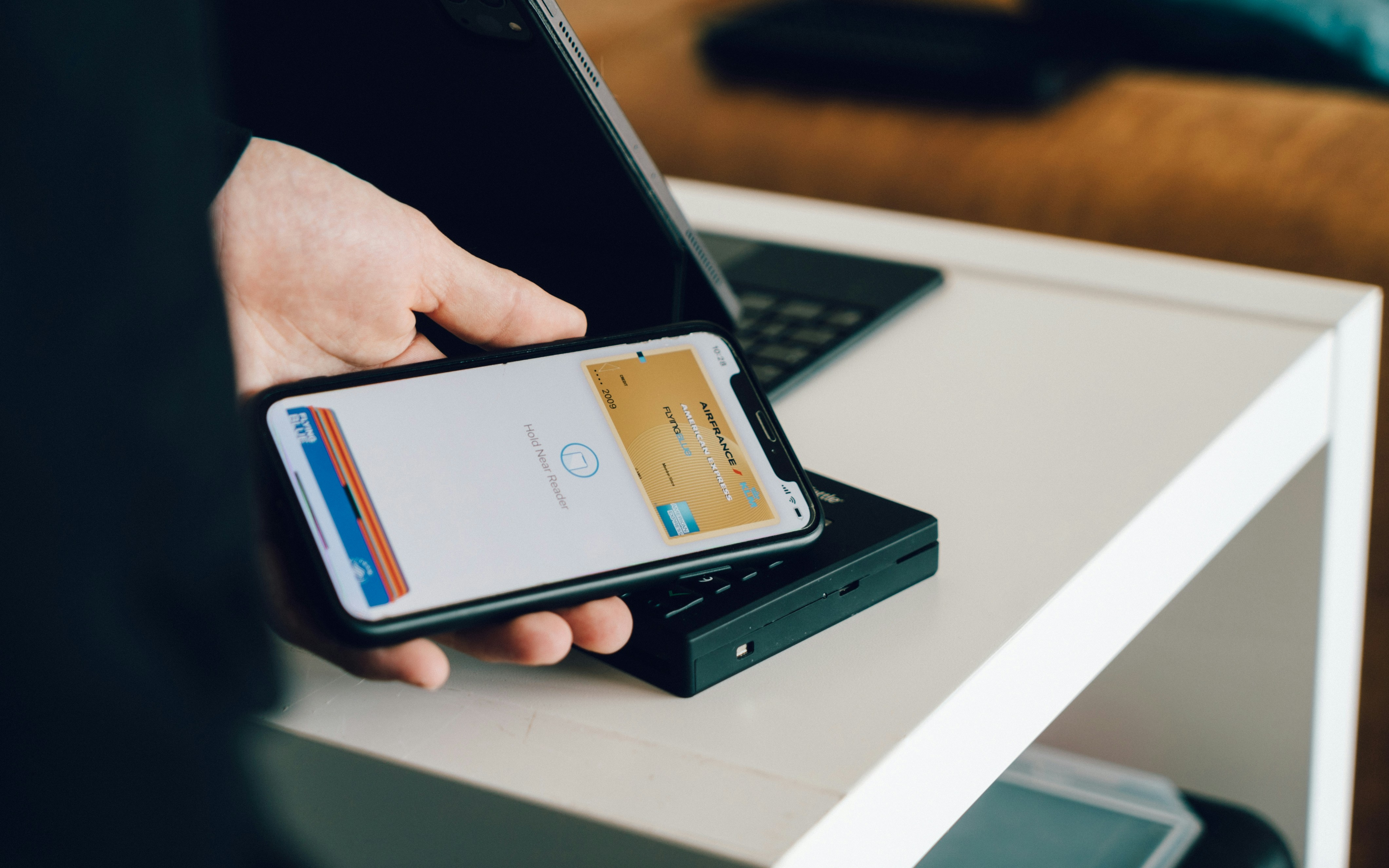
Buy Now, Pay Later Market Expands as Flexible Digital Payments Gain Attention

Buy Now, Pay Later (BNPL) services have become an increasingly visible part of digital commerce by allowing eligible customers to divide purchases into scheduled payments. These services are offered through payment platforms, merchants, and financial technology providers, often at the online checkout stage. Their appeal is linked to payment flexibility and streamlined purchasing experiences, while their use also raises questions about affordability, repayment obligations, consumer protection, and responsible lending practices.
A market assessment by Markntel Advisor reveals that the Buy Now, Pay Later market growth forecast is valued at USD 14.88 billion in 2024 and is projected to reach USD 31.71 billion by 2030, registering a CAGR of 16.15% during 2025–2030. The study identifies North America as the leading region, covers historical data from 2020–2023, and uses 2024 as the base year. Its forecast period extends from 2025 to 2030.
Flexible Payments and Digital Commerce
BNPL services typically allow customers to split the cost of an eligible purchase into instalments, with repayment schedules and fees varying by provider and product. When integrated into online checkout systems, these options can offer an alternative to paying the full amount immediately. Merchants may use BNPL availability as one component of their payment strategy, while providers compete through customer experience, merchant partnerships, eligibility processes, and repayment features.
The service model differs across markets and providers. Some products offer short-term instalment arrangements, while others may involve longer repayment periods or financing charges. Consumers therefore need to understand the payment schedule, applicable fees, consequences of missed payments, and whether a credit assessment is involved. The label “buy now, pay later” does not mean every product has the same terms or cost structure.
The growth of online retail and digital payment infrastructure has made checkout-based financing more accessible. However, adoption depends on more than convenience. Clear disclosures, straightforward repayment management, and suitable affordability checks can influence whether BNPL products support consumers’ payment needs without creating avoidable financial pressure.
Consumer Protection and Responsible Use
BNPL services can create challenges when consumers use multiple providers or accumulate several repayment commitments. Individual instalments may appear manageable in isolation, but combined obligations can place pressure on household budgets. Transparent repayment information and accessible account management tools can help users understand their commitments before entering into additional agreements.
Regulatory attention to short-term digital credit has also increased. The U.S. Consumer Financial Protection Bureau publishes information and resources concerning consumer financial products, credit, and financial protection. Applicable rules differ across jurisdictions and products, so providers must assess the legal requirements relevant to each market in which they operate.
For providers, responsible product design includes presenting terms clearly, communicating payment dates, maintaining secure customer information, and establishing processes for handling complaints and repayment difficulties. Merchant integrations must also ensure that financing information is presented accurately during checkout. These measures are relevant to consumer trust and the long-term operation of digital payment services.
Competitive Landscape and Market Positioning
The supplied report identifies several major companies operating in or associated with the BNPL landscape, including Klarna, Afterpay, Affirm Inc., Laybuy Group Holdings Limited, PayPal Holding Inc., Kredivo, Zip Co. Ltd., Splitit, Sezzle, Amazon, Flipkart, Scalapay S.R.L., Perpay Inc., Paytm, and PayLater, among others. These businesses have different operating models, geographic footprints, and relationships with merchants and payment systems. Their inclusion in the report does not establish equal market shares or identical service offerings.
Competition in the sector can involve merchant acceptance, checkout integration, customer eligibility processes, repayment flexibility, service reliability, and the transparency of product terms. Providers also need to consider fraud prevention, account security, customer support, and the cost of managing payment risk. As services evolve, differences in product structure and regulatory treatment remain important when comparing providers.
The report identifies North America as the leading region. This is a report-specific finding; the supplied information does not provide a regional market-share breakdown or identify the individual countries contributing most to that position. Other regions may have distinct adoption patterns shaped by local payment infrastructure, consumer behaviour, merchant participation, and regulation.
Buy Now, Pay Later Market Outlook Through 2030
The reported increase from USD 14.88 billion in 2024 to a projected USD 31.71 billion by 2030, alongside a CAGR of 16.15% for 2025–2030, indicates an expanding market over the forecast period. These figures provide the market trajectory stated in the supplied report, while outcomes will depend on consumer demand, merchant adoption, competition, regulation, and the management of repayment risk.
The global BNPL industry growth outlook will be influenced by how effectively providers balance convenient payment experiences with affordability, transparent terms, secure transactions, and responsible customer management. Continued development of digital commerce may support the role of instalment-based payments, while consumer protection and sustainable repayment practices will remain important considerations for the sector.



