

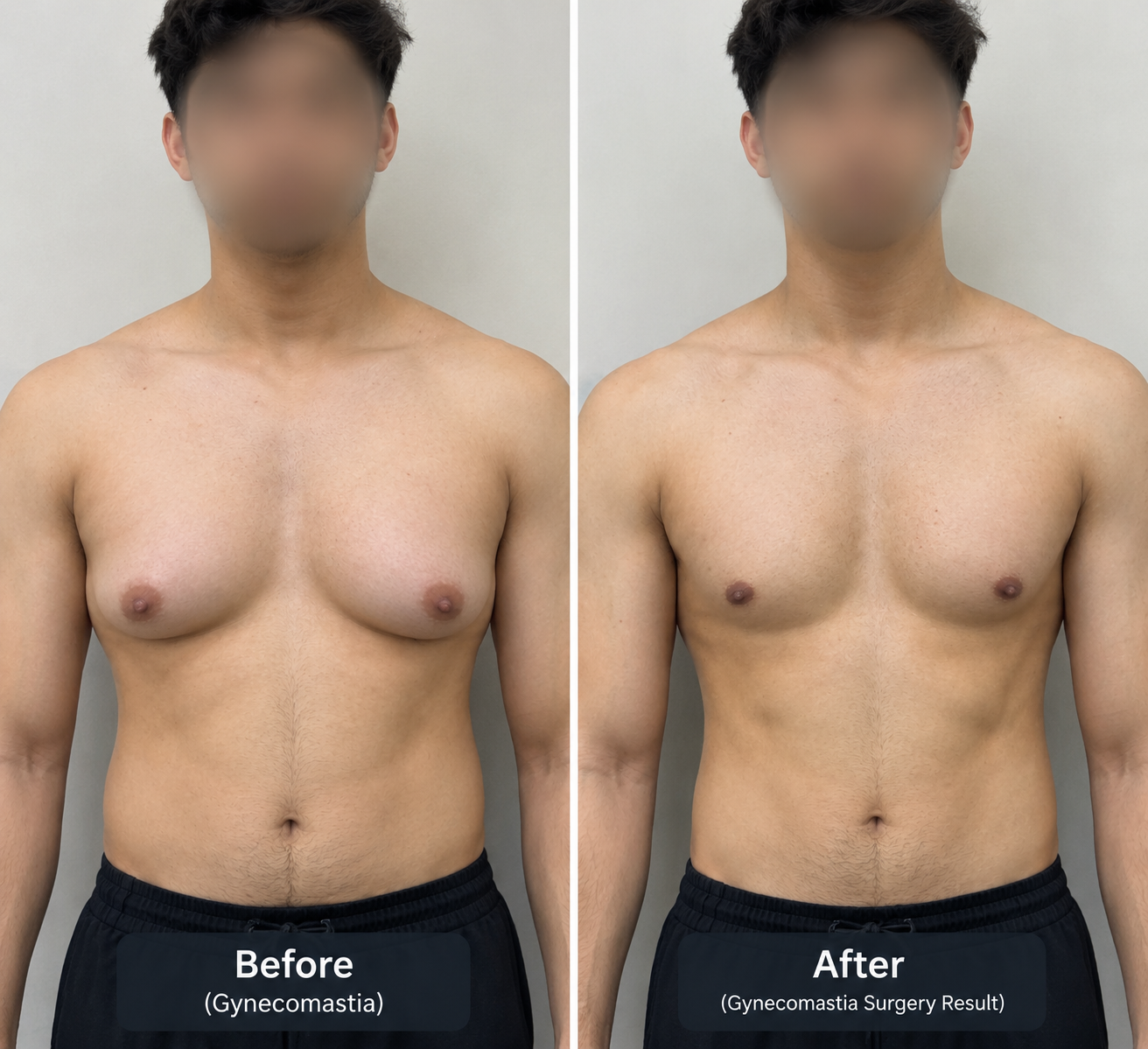
Gynecomastia: Causes, Treatment Options, and Male Breast Reduction Surgery

Gynecomastia is a common condition in which men develop enlarged breast tissue. It can affect one or both sides of the chest and may occur during adolescence, adulthood, or later in life. Although the condition is usually not dangerous, it can cause physical discomfort, embarrassment, and reduced self-confidence.
Many men feel uncomfortable wearing fitted clothing, swimming in public, or participating in activities that expose their chest. Understanding the causes of gynecomastia and learning about available treatment options can help individuals make informed decisions about their health and appearance.
What Causes Gynecomastia?
Gynecomastia often develops because of an imbalance between estrogen and testosterone, the hormones that influence breast tissue development. Both hormones are naturally present in men, but changes in their balance can lead to breast tissue enlargement.
Several factors may contribute to this condition, including hormonal changes during puberty, aging, certain medications, and specific medical conditions. Some medications used to treat cardiovascular problems, mental health conditions, and other illnesses may contribute to breast enlargement.
Weight gain can also make the chest appear larger because of increased fat deposits. However, it is important to distinguish between excess chest fat, sometimes called pseudogynecomastia, and actual enlargement of the glandular breast tissue. A healthcare professional can help determine the underlying cause and recommend an appropriate treatment plan.
Emotional and Social Effects
Gynecomastia can affect more than physical appearance. For some men, enlarged breast tissue creates ongoing concerns about body image and social confidence. They may avoid changing clothes in public, exercising at the gym, swimming, or attending social gatherings.
Teenagers experiencing gynecomastia may feel particularly self-conscious while their bodies are developing. Adults may also experience frustration when exercise and weight management do not significantly reduce the size of their chest.
These feelings are valid, and individuals should not feel ashamed about seeking professional advice. Understanding that gynecomastia is a recognized medical condition can be an important first step toward finding a suitable solution.
Non-Surgical Treatment Options
Treatment depends on the cause, severity, duration, and symptoms of gynecomastia. In some cases, particularly during puberty, the condition improves naturally as hormone levels stabilize. A healthcare professional may recommend observation and follow-up before considering surgery.
If a medication or underlying medical condition contributes to breast enlargement, addressing that factor may help. However, patients should never stop prescribed medication without consulting their doctor.
Maintaining a healthy weight through balanced nutrition and regular physical activity can improve overall health and reduce excess chest fat. Strength training may also help develop the chest muscles, although exercise alone generally cannot remove established glandular breast tissue.
There is no single supplement or home remedy proven to eliminate all forms of gynecomastia. Individuals should seek medical advice before trying treatments marketed as quick solutions.
Gynecomastia Surgery and Male Breast Reduction
When enlarged breast tissue persists or causes significant discomfort or emotional distress, gynecomastia surgery may be an option. The procedure is designed to reduce excess breast tissue and create a flatter, more proportionate chest.
Depending on the individual's condition, a surgeon may use liposuction to remove excess fat, surgical excision to remove glandular tissue, or a combination of both techniques. The appropriate approach depends on the amount and type of tissue present, skin elasticity, and the patient's desired outcome.
People considering this procedure can explore the information provided by Royal Cosmetic Surgery's gynecomastia treatment page to learn more about male breast reduction and available surgical options.
A consultation with a qualified surgeon is essential before proceeding. During the appointment, the surgeon can assess the chest, review medical history, discuss expectations, and explain the potential benefits and risks. Patients should also understand that results vary and that surgery may leave scars or involve changes in nipple sensation, swelling, bruising, or other complications.
Recovery and Aftercare
Recovery following gynecomastia surgery varies according to the technique used and the individual's overall health. Patients commonly experience temporary swelling, bruising, and soreness during the initial recovery period.
The surgeon may recommend wearing a compression garment to support the chest and help manage swelling. Patients should follow all postoperative instructions, attend follow-up appointments, and gradually return to normal activities as advised.
Strenuous exercise and heavy lifting may need to be avoided for a period specified by the surgeon. Final results may take several weeks or months to become apparent as swelling subsides and the chest settles into its new shape.
Following professional aftercare guidance can support recovery and help patients understand what to expect throughout the healing process.
Choosing the Right Treatment
Selecting an appropriate treatment for gynecomastia begins with understanding its cause. Some individuals may benefit from monitoring, lifestyle changes, or treatment of an underlying condition, while others may consider surgery for persistent glandular enlargement.
When researching treatment providers, patients should look for qualified medical professionals, clear explanations of procedures, realistic expectations, and transparent discussions about risks, recovery, and costs.
It is also important to remember that every patient is different. A treatment plan should be based on an individual medical assessment rather than comparisons with other people's experiences or photographs.
Conclusion
Gynecomastia is a common condition that can affect men's physical comfort, body image, and confidence. Learning about its causes and available treatments helps individuals take practical steps toward addressing their concerns.
From professional evaluation and conservative management to male breast reduction surgery, several approaches may be considered depending on the circumstances. Seeking advice from a qualified healthcare professional is the best way to understand the available options and choose a suitable path forward.



