

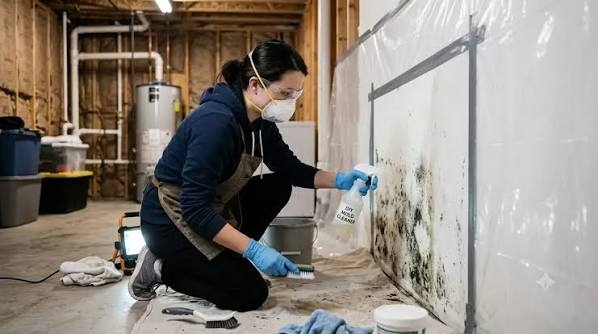

Mold in air ducts can spread tiny spores through your home every time the HVAC system runs. You may not see mold inside the ducts, but your body can still react to it. Common mold in air ducts symptoms include allergy-like problems, musty smells, and breathing issues that get better when you leave home. Here, we will explore seven signs that mold may be in your air ducts, why it happens, what you can do safely, and when to call a professional.
Why Mold Grows in Air Ducts
Mold needs moisture, warmth, and something to feed on. Your HVAC system can have all three if there is extra water inside the ducts, around the air handler, or near the cooling coils.
Common causes include:
-
A clogged drain line that removes water from the HVAC system
-
A leak in the air handler or where the ducts connect
-
Too much humidity inside your home
-
Poor insulation around the ducts
-
Water damage from a roof, plumbing, or basement leak
-
Dirty air filters that let dust and moisture build up
Read Also: Complete Guide to Mold Damage Repair and Prevention in Homes
7 Signs of Mold in Air Ducts
1. A Musty or Damp Smell
A strong musty smell is one of the most common signs of mold. If the smell gets stronger when the air conditioner or furnace turns on, the source may be inside the ductwork or near the HVAC unit.
The smell may be worse in certain rooms, especially rooms with weak airflow or near water damage. Do not ignore a musty smell that returns after cleaning carpets, furniture, or laundry areas.
2. Allergy Symptoms That Improve Outside
Mold spores can irritate the nose, eyes, throat, and skin. If you feel worse at home but better when you leave, your HVAC system may be moving mold spores through the house.
Possible symptoms include:
-
Sneezing
-
Runny or stuffy nose
-
Itchy or watery eyes
-
Coughing
-
Scratchy throat
-
Skin irritation
These symptoms can also come from dust, pollen, pets, or other indoor allergens. Mold is more likely if symptoms are stronger in one room, near a vent, or when the HVAC system is running.
3. More Asthma or Breathing Problems
People with asthma may cough more, wheeze, feel tightness in the chest, or have trouble breathing when mold is in the air. Mold can bother the airways and make asthma harder to control. If breathing problems are new, getting worse, or keeping you awake at night, talk to a doctor. Do not try to diagnose a health problem by yourself. Cleaning the air ducts may remove the source, but only a healthcare professional can give medical advice.
4. Visible Mold Near Vents or the HVAC Unit
Sometimes you can see mold around vent covers, air registers, or the indoor HVAC unit. Mold may look like black, green, gray, or white spots. It can also look fuzzy or leave dark stains.
Check these places:
-
Vent covers and nearby walls or ceilings
-
The area around the air handler
-
The drain pan that collects water from the HVAC system
-
Duct connections in the attic, basement, or crawl space
-
Places with water stains, peeling paint, or damp insulation
Seeing mold near a vent does not always mean mold is deep inside the ducts. Still, it is a clear sign that moisture and mold need attention.
5. Condensation or Water Around Vents
Water drops, wet spots, or rust around vents can mean moisture is building up in the duct system. This can happen when cold air moves through ducts in a hot, humid space, or when there is a leak. Moisture helps mold grow. If you see condensation, find out why it is happening before cleaning or replacing anything. If you do not fix the moisture problem, mold can come back.
6. Uneven Airflow or Weak Cooling
Mold, dust, and moisture can affect how well air moves through your HVAC system. A room that stays warm, feels stuffy, or has weak airflow may have a duct problem.
Weak airflow alone does not prove there is mold. It can also happen because of a dirty filter, a closed vent, a duct leak, or another HVAC problem. But if weak airflow comes with a musty smell or wet spots, it is a good idea to have the system checked.
7. Recurring Dust and Dark Spots Around Vents
If black or gray streaks keep appearing around vent openings, moisture and airborne particles may be passing through the vents. This can happen when ducts are dirty, leaking, or pulling air from a damp space.
Clean the vent cover with a damp cloth and mild detergent. If dark spots return quickly, or you notice a musty smell, have the HVAC system inspected. If you live in Smyrna or nearby and want professional help, MMI Home Improvement Pro also offers mold air duct cleaning in Smyrna. A professional can inspect the ducts, find the moisture source, and clean mold safely so it is less likely to return.
What to Do If You Notice Mold in Air Ducts Symptoms
Step 1: Do Not Disturb Large Growth
Avoid brushing, vacuuming, or spraying large areas of suspected mold. Disturbing it can release more spores into the air.
If the affected area is small, such as a vent cover, wear gloves and a mask, remove the cover, and clean it with mild detergent and water. Let it dry fully before putting it back.
Step 2: Fix the Moisture Problem
Mold will return if moisture remains. Check for:
-
A clogged condensate drain
-
Leaking duct connections
-
Wet insulation
-
Roof or plumbing leaks
-
High indoor humidity
-
A dirty or wet air filter
Replace a wet filter and fix leaks before any duct cleaning. The EPA advises addressing both the mold and the moisture problem; cleaning mold without fixing water issues usually does not solve the problem.
Step 3: Improve Airflow and Humidity
Use these simple steps to help stop mold from growing again:
-
Change HVAC filters when the manufacturer says to change them
-
Keep the drain line that removes water from the HVAC system clear
-
Use a dehumidifier in damp rooms
-
Send air from bathrooms and kitchens outside
-
Keep indoor humidity low, especially in humid weather
-
Have the HVAC system checked if you see water, rust, or mold
Summary
Mold in air ducts symptoms often include a musty smell, allergy-like reactions, breathing problems, visible mold near vents, and moisture around the HVAC system. If you notice these signs, act quickly. Fix moisture problems, replace wet filters, and do not disturb large areas of mold.



