

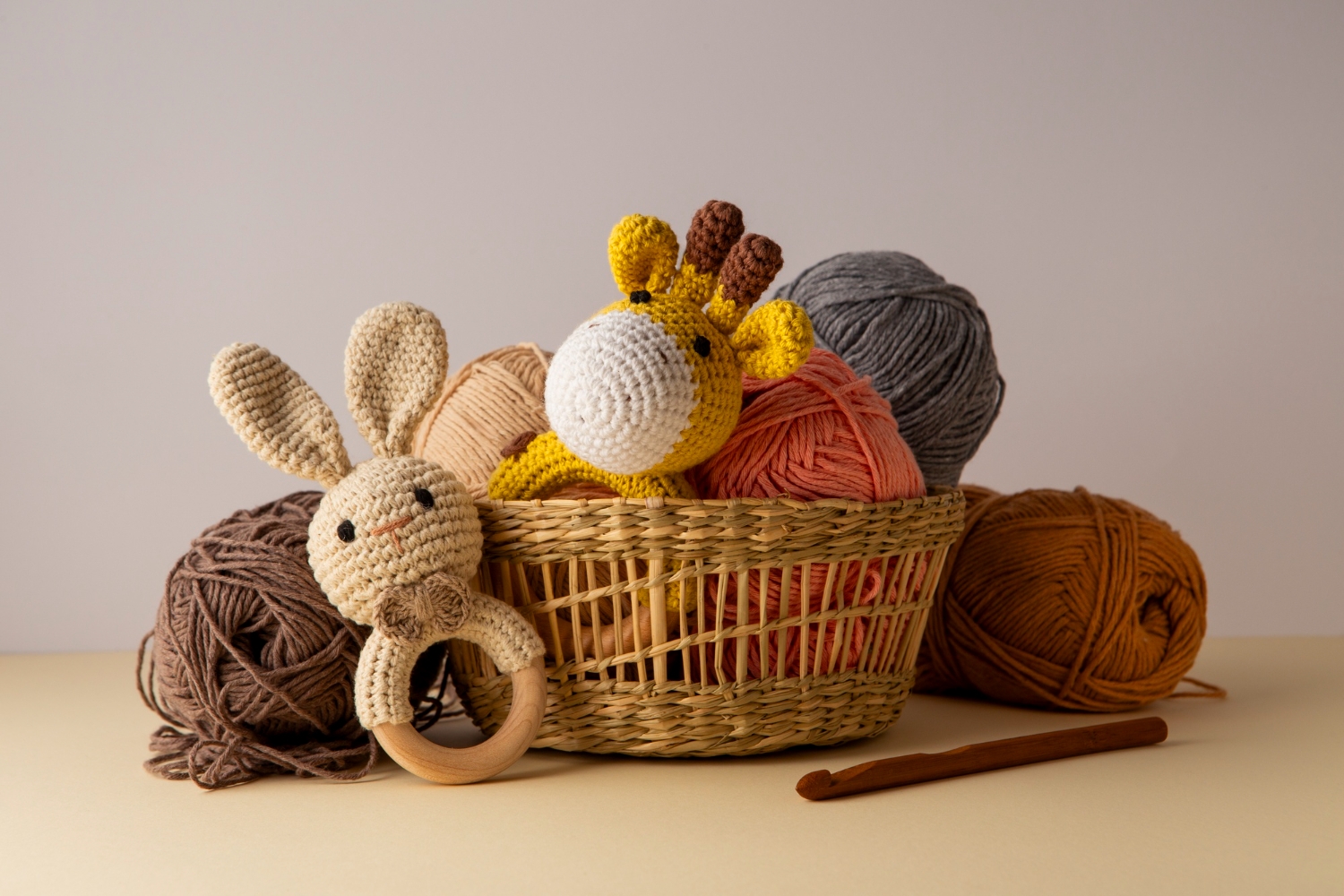
Online Yarn Shops in the United States: A Guide to Exploring Yarn Options Online

Online yarn shops have become an important resource for knitting, crocheting, weaving, and other fiber-based crafts across the United States. They provide access to different yarn types, colors, textures, and fiber compositions without requiring customers to visit a physical store. For beginners and experienced crafters alike, online shopping offers a practical way to explore available materials, compare product specifications, and identify suitable yarn for different projects.
As interest in handmade clothing, accessories, home décor, and textile crafts continues to support demand for yarn, online shopping has become part of the wider crafting landscape. Understanding how online yarn shops operate and what information they provide can help shoppers make informed decisions about yarn selection.
Understanding Online Yarn Shops
Online yarn shops are digital retail platforms that offer yarn and related crafting materials through websites. Their inventories may include natural fibers, synthetic fibers, blended yarns, specialty yarns, and different weights suitable for a range of projects.
Unlike traditional yarn stores, online shops allow shoppers to browse product categories, review specifications, and compare options from different locations. Availability may vary depending on inventory, shipping arrangements, and the retailer's distribution network.
Many online yarn shops organize their products by fiber type, weight, color, intended use, and price range. These categories make it easier to narrow down choices based on the requirements of a particular knitting or crochet pattern.
Common Yarn Types Available Online
The selection of yarn is one of the main considerations when exploring online yarn shops in the United States. Different fibers offer distinct characteristics, making them suitable for different applications.
Cotton yarn: Cotton yarn is commonly used for dishcloths, summer garments, market bags, and home accessories. It is known for its breathability and relatively limited elasticity.
Wool yarn: Wool is frequently selected for sweaters, scarves, hats, blankets, and other items that benefit from warmth. Its softness, elasticity, and care requirements vary according to the wool source and processing method.
Acrylic yarn: Acrylic yarn is a synthetic option often used for blankets, everyday accessories, and beginner projects. It is available in numerous colors and weights, although its texture and durability can differ between products.
Alpaca yarn: Alpaca fibers are valued for their softness and warmth. They are often used in scarves, sweaters, shawls, and other garments where a lightweight, insulating material is desirable.
Blended yarn: Blended yarn combines two or more fiber types to balance characteristics such as softness, strength, elasticity, and ease of care.
Understanding these differences helps shoppers evaluate whether a yarn is appropriate for the intended project.
How Yarn Weight and Texture Affect Selection
Yarn weight refers to the thickness of the yarn and plays an important role in determining the appearance and structure of a finished item. Common categories include lace, fingering, sport, DK, worsted, bulky, and super bulky.
Lightweight yarns are frequently used for delicate garments, shawls, and detailed accessories. Medium-weight yarns are versatile choices for sweaters, scarves, and many everyday projects. Bulky yarns can produce thicker fabrics and may be suitable for warm accessories and blankets.
Texture also influences the final result. Smooth yarn can make stitch patterns easier to see, while textured, boucle, or novelty yarn may create distinctive visual effects. Online yarn shops often provide product descriptions and photographs to help shoppers assess these characteristics before ordering.
Important Factors When Comparing Online Yarn Shops
Several factors can affect the suitability of an online yarn shop for a particular project.
- Product descriptions: Clear information about fiber content, yarn weight, yardage, recommended needle sizes, and care instructions supports better decision-making.
- Color representation: Screen settings and lighting can affect how colors appear online. Product photographs may not perfectly reflect the shade of the physical yarn.
- Quantity and availability: Project requirements should be compared with the yardage provided per skein or ball. Dye lots may also affect color consistency between purchases.
- Shipping information: Delivery charges, estimated shipping times, and geographical restrictions can influence the total cost and convenience of an order.
- Return policies: Policies regarding unopened yarn, color differences, damaged products, and returns should be reviewed before a purchase.
- Customer feedback: Reviews may provide additional context about softness, color accuracy, yarn construction, and the finished fabric.
These considerations are especially relevant when a project requires multiple skeins or consistent colors across several pieces.
Online Yarn Shopping for Different Skill Levels
Online yarn shops serve people with different levels of crafting experience. Beginners may benefit from yarn descriptions that explain suitable uses, recommended tools, and care requirements. Medium-weight yarns with clearly defined stitches are often easier to handle when learning basic knitting or crochet techniques.
Experienced crafters may focus on fiber quality, yarn construction, drape, stitch definition, and compatibility with specific patterns. They may also look for specialty fibers, hand-dyed yarn, fine lace yarn, or unusual color combinations.
Project requirements remain central to the selection process. A yarn suitable for a decorative wall hanging may not provide the durability or washability needed for frequently used garments or household items.
Sustainability and Yarn Care Considerations
Environmental considerations can also influence the way shoppers evaluate yarn. Natural fibers, recycled fibers, and yarns made from reclaimed materials may appeal to people interested in reducing textile waste. However, sustainability depends on factors such as fiber production, processing, transportation, durability, and end-of-life disposal.
Care instructions are equally important. Some yarns require hand washing, while others can tolerate machine washing. Heat sensitivity, drying methods, and the likelihood of shrinking or stretching should be considered before selecting materials for garments or household textiles.
Conclusion
Online yarn shops provide access to a broad range of materials for knitting, crochet, weaving, and other textile crafts throughout the United States. By examining fiber composition, yarn weight, texture, color accuracy, product information, shipping conditions, and care requirements, shoppers can better understand the differences between available options.
A considered approach to online yarn shopping helps align material selection with project needs, skill level, budget, and intended use. Careful comparison of these practical details supports informed decisions and contributes to more suitable outcomes for handmade projects.



