

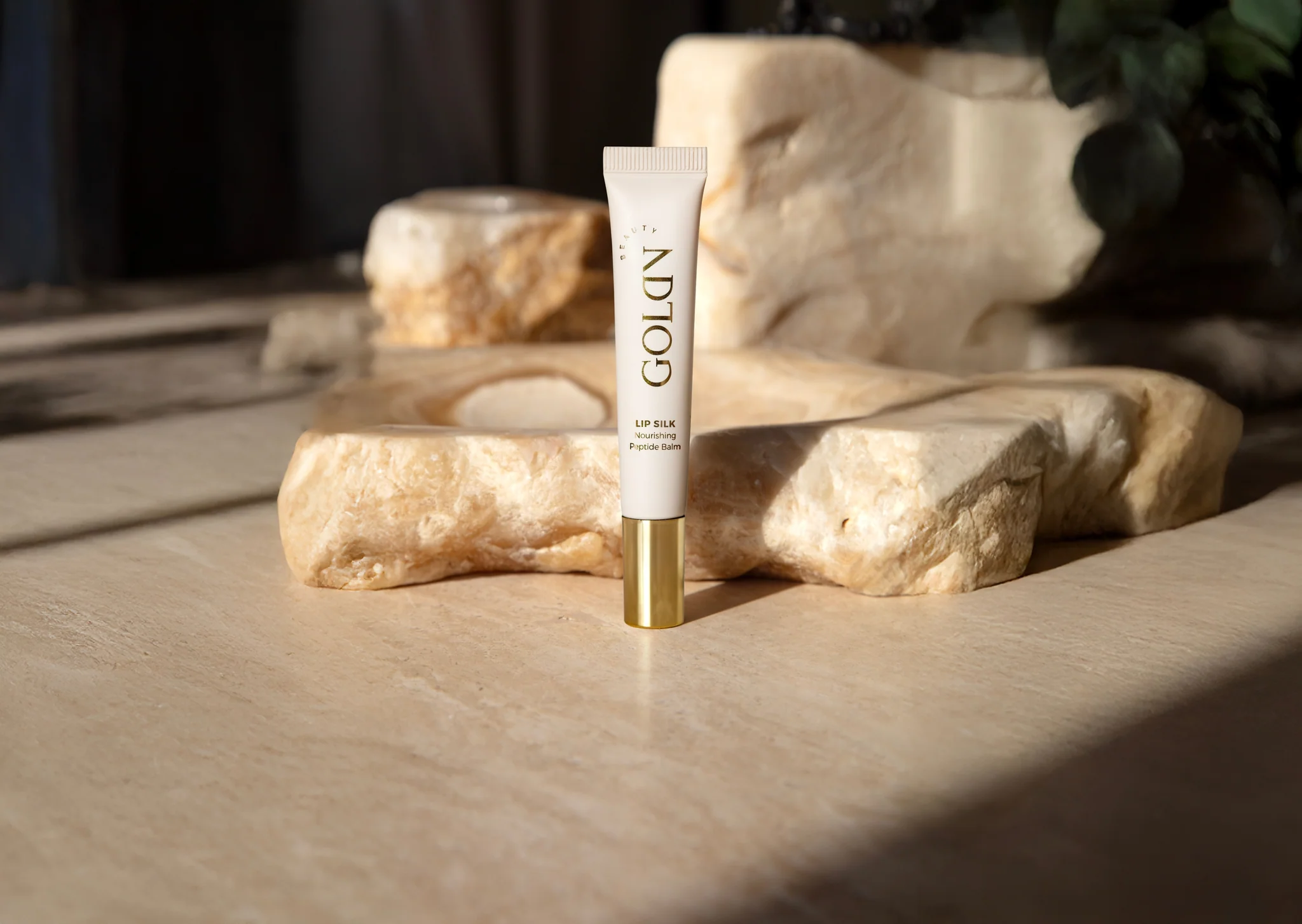
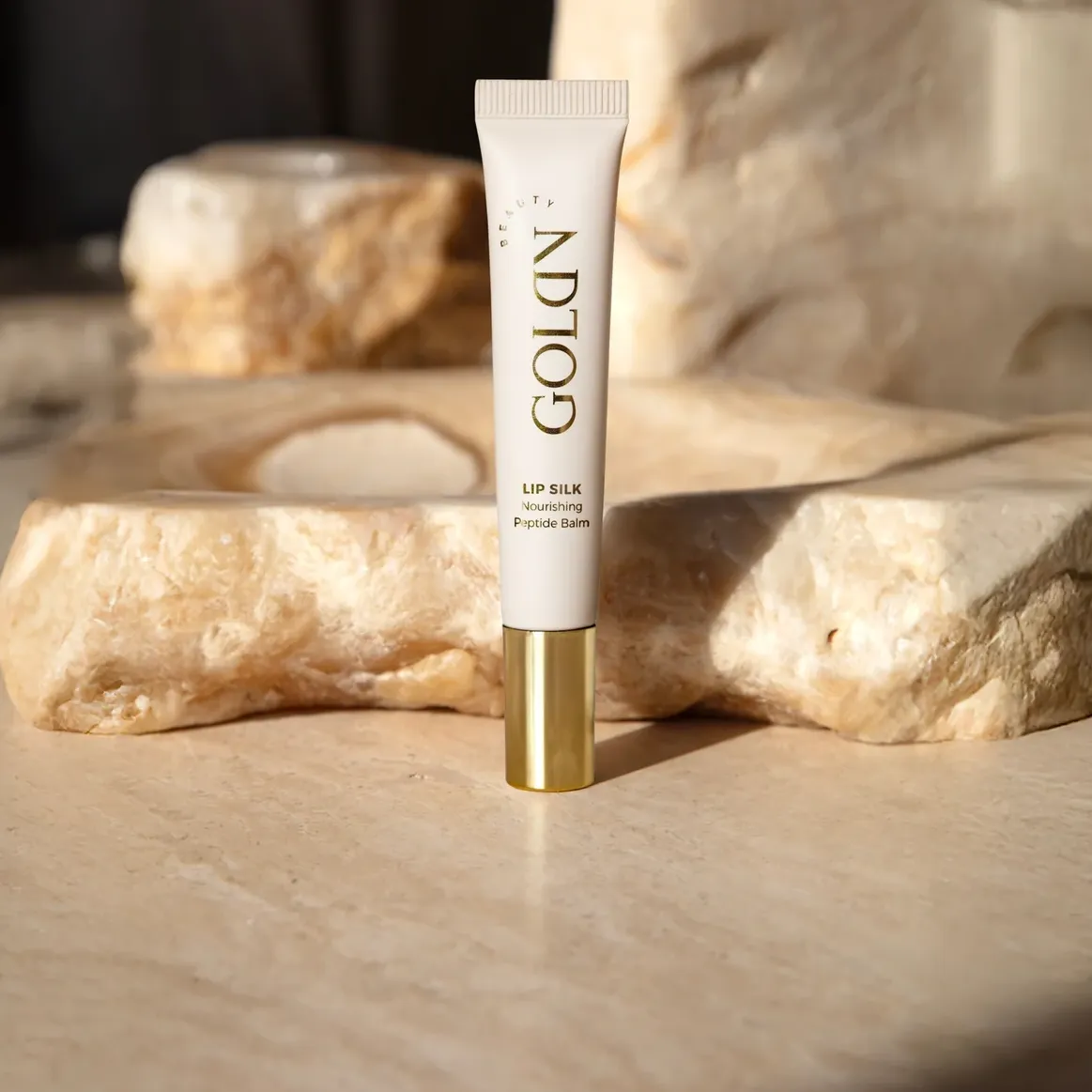
Lips are exposed to changing temperatures, wind, sunlight, and other environmental factors throughout the day. These conditions can leave them feeling dry, rough, or uncomfortable, especially when regular care is overlooked. Selecting suitable lip care products can help protect the delicate skin and support a comfortable daily routine. Understanding ingredients, product textures, and individual sensitivities makes it easier to compare available options. With a few practical habits, lip care can become a simple and consistent part of personal grooming.
What is an effective daily routine for dry lips?
An effective lip care routine begins with gentle treatment and regular moisturising. Dryness may develop when environmental conditions increase moisture loss or when habits such as frequent lip licking irritate the skin. Some lip cosmetics can also contribute to discomfort if their ingredients do not suit the individual using them.
A lip treatment for dry lips should fit your daily needs and feel comfortable during application. Consider products that help soften the lips and create a protective barrier against moisture loss. Apply the product according to its directions, particularly after meals or whenever your lips begin to feel tight.
Avoid picking at loose skin, rubbing your lips with rough materials, or using aggressive exfoliating products when dryness is present. These practices may increase irritation. Instead, choose gentle care and allow flaky skin to settle naturally.
Your routine does not need to involve many products. A suitable balm, regular application, and protection from environmental exposure may be enough for everyday maintenance. If a formula repeatedly causes burning, itching, or redness, stop using it and consider whether an ingredient may be unsuitable for you.
Which type of lip balm is suitable for severely dry lips?
Choosing a balm involves more than comparing packaging or fragrance. The ingredients, consistency, and protective qualities of a formula can influence how comfortable it feels and how well it fits your routine.
When choosing a lip balm for extremely dry lips, look for ingredients that help reduce moisture loss or soften the skin. Occlusive ingredients, including petrolatum, can create a protective layer, while emollients help improve the feel of rough skin. The best option depends on your preferences, sensitivities, and the condition of your lips.
A thicker formula may be convenient for overnight use or during cold, windy weather. A lighter balm may be easier to reapply throughout the day or wear beneath other lip cosmetics. Neither texture is automatically better for everyone, so consider comfort and the product's intended use.
Check ingredient labels carefully, especially if you have experienced irritation from fragranced or flavoured cosmetics. Avoid products that repeatedly cause discomfort, and follow all application instructions. For outdoor exposure, consider a lip balm with sun protection and use it as directed.
If severe dryness continues despite regular care, or if your lips become painful, cracked, or bleed, seek advice from a qualified healthcare professional.
What should you know before buying clean beauty lip products?
Clean beauty is commonly used to describe cosmetics developed according to particular ingredient or formulation preferences. However, there is no single universally accepted definition that applies to every brand. The term does not automatically guarantee that a product is safer, gentler, or more effective than another cosmetic.
Before choosing clean beauty lip products, examine the ingredient list and any available information about the formulation. If you prefer to avoid certain substances, confirm whether they appear in the specific product rather than relying on a general clean beauty claim.
It is also useful to distinguish between ingredient preferences and demonstrated product performance. A product may be marketed around natural ingredients, but naturally derived substances can still cause sensitivities. Likewise, synthetic ingredients are not inherently unsuitable for cosmetic use.
Consider practical factors such as fragrance, texture, finish, packaging, and compatibility with your existing routine. If you have a history of reactions to particular ingredients, check labels closely and consult a healthcare professional when you need guidance. Making decisions based on clear product information can help you select lip care that aligns with your preferences.
How can you protect your lips from everyday dryness?
Everyday habits can influence how comfortable your lips feel. Weather changes, dry indoor air, wind, and prolonged sun exposure may contribute to dryness, so adjusting your routine to the conditions can be helpful.
Apply a suitable balm throughout the day and reapply according to its directions. During cold or windy weather, use a protective product before going outdoors. For sunny conditions, choose a lip product with appropriate sun protection and follow the recommended application frequency.
Try not to lick, bite, or repeatedly rub your lips. Although licking may provide brief relief, saliva can evaporate and leave the skin feeling drier. Picking at flakes can also irritate the surface and cause further discomfort.
Review the lip products you use regularly. Some long-wearing lip colours, fragrances, and flavouring ingredients may not suit every person. If you notice irritation after using a particular product, stop using it and check the ingredient list.
Maintaining general hydration is beneficial for overall health, but drinking more water alone may not resolve persistent lip dryness. A consistent protective routine and attention to possible irritants are also important.
When is dry lip discomfort a reason to seek medical advice?
Occasional dryness may improve with gentle care and protection from environmental conditions. However, persistent symptoms should not always be treated as a cosmetic concern.
Seek professional advice if your lips remain dry despite regular care, develop recurring cracks, bleed, become significantly painful, or show sores that do not heal. A qualified healthcare professional can assess the symptoms and help determine whether additional treatment or investigation is needed.
If irritation begins after introducing a new cosmetic, discontinue the product and avoid immediately replacing it with several new formulas. Changing multiple products at once can make it harder to identify a possible trigger. Keep the product packaging or ingredient information available if you need to discuss a reaction with a professional.
Sudden swelling accompanied by difficulty breathing or swallowing requires emergency medical attention. For less urgent but persistent symptoms, professional assessment is preferable to repeatedly trying unverified remedies.
Conclusion
A thoughtful lip care routine combines gentle application, suitable ingredients, and protection from daily environmental stress. Choosing products according to your personal needs can help you avoid unnecessary irritation and maintain comfortable lips. Read ingredient lists carefully and assess clean beauty claims individually rather than relying on marketing language alone. Regular moisturising, avoiding lip licking, and using sun protection outdoors are practical habits to maintain. Persistent dryness, bleeding, or painful cracks deserve professional attention when they do not improve. Visit Frends Beauty to explore its available product selection, review relevant product information, and find lip care options that fit your preferences and routine.



