


DongHai Shares Insights on Insoluble Sulphur in Rubber
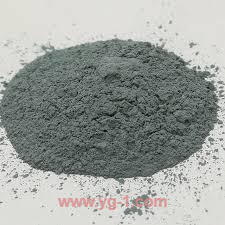
Light-colored rubber products occupy a special place in manufacturing. White shoe soles, pastel seals, pale hoses, and light gaskets all carry an expectation of clean appearance that dark rubber never faces. Formulators who work with these compounds soon learn that ordinary sulphur can create trouble. It migrates, blooms, and discolors the surface over time. Insoluble sulphur entered the market as a response to this problem, and its role in light rubber compounds continues to draw attention from engineers and compounders. So what does this material actually deliver when appearance matters as much as performance?
The Bloom Problem in Light Compounds
Soluble sulphur dissolves readily in rubber during mixing. After vulcanization, unused sulphur can migrate to the surface and crystallize. This phenomenon, known as sulphur bloom, appears as a gray or yellowish film. On black rubber, bloom goes unnoticed. On white or pastel products, it ruins the surface appearance and can interfere with painting, printing, or bonding. A light-colored shoe sole with visible bloom fails inspection even when its mechanical properties meet specification. The problem grows worse with higher sulphur loadings, which many compounds require for adequate crosslink density.
How Insoluble Sulphur Responds
Insoluble sulphur exists in a polymeric form that resists dissolution in rubber at processing temperatures. It stays dispersed as fine particles rather than dissolving into the compound. During vulcanization, heat converts this polymeric form into active sulphur that participates in crosslinking. Because the material does not dissolve during mixing and storage, the migration pathway that causes bloom is largely blocked. The result is a vulcanizate with crosslink density comparable to conventional sulphur systems but without the surface film that spoils light products.
Appearance and Processing Gains
For white and light-colored rubber, the appearance benefit stands out. Parts come out of the mold with a clean surface and hold that appearance through storage. Paint adhesion improves because no oily or crystalline layer interferes with the bond. Printing and labeling also perform with greater consistency. On the processing side, insoluble sulphur reduces the risk of scorch during mixing and storage, since it stays in particulate form rather than activating prematurely. Compounds can sit longer before use without losing processing safety. These traits make the material attractive for continuous production lines where consistency matters.
Where It Fits
Footwear, sporting goods, medical devices, and household items with light colors all benefit from this sulphur form. Tire manufacturers also use it in specific compounds, though the appearance motive differs there. Any application where bloom causes rejection, bonding failure, or customer complaints becomes a candidate for insoluble sulphur. Compounds based on natural rubber, styrene-butadiene rubber, and nitrile rubber all respond well when the sulphur system is adjusted correctly. Formulators should account for the higher cost and adjust cure systems accordingly.
DongHai Chemical has supplied rubber additives since the mid-1980s and works with compounders on sulphur selection for demanding applications. The company's technical resources cover accelerators, antioxidants, and processing aids alongside vulcanizing agents. Reviewing how yg-1 approaches insoluble sulphur gives buyers a starting point for matching material to product requirements.
Practical Guidance for Compounders
Switching to insoluble sulphur involves adjustments beyond a simple substitution. Dispersion quality matters because undispersed particles create defects in light products. Cure temperatures and times may need review since the conversion from polymeric to active sulphur depends on heat history. Storage conditions also affect performance, as prolonged exposure to elevated temperatures can alter the material. Compounders who test carefully and monitor dispersion achieve consistent results. The payoff appears in reduced rejects, cleaner surfaces, and fewer complaints from customers who judge rubber products by appearance. Detailed notes on this material can be found at https://www.yg-1.com, where technical background supports practical decisions.
- Goth Lifestyle
- Fashion & Style
- Music & Bands
- Art & Photography
- Creative Writing & Poetry
- Events & Scene
- Occult & Spirituality
- DIY & Tutorials
- Beauty & Self-Care
- Relationships & Dating
- Gaming & Media
- Tech & Gadgets
- Body Art & Piercings
- Underground Culture
- Spotlights & Interviews
- Travel & Places
- Lifestyle & Daily Life
- Fitness & Health
- Travel & Adventure
- Books & Literature
- Tech & Gaming
- Movies & TV
- Food & Drinks
- Humor & Memes
- Pets & Animals
- General Arts & Crafts
 English
 Arabic
 French
 Spanish
 Portuguese
 Deutsch
 Turkish
 Dutch
Dutch
 Italiano
 Russian
 Romaian
 Portuguese (Brazil)
 Greek
Greek
