


What Is Nephrotic Syndrome Treatment and How Is APOL1-Mediated Kidney Disease Managed?
Kidney diseases can interfere with the body's ability to filter waste, maintain fluid balance, and retain essential proteins in the bloodstream. Some conditions develop when the kidney's filtering structures become damaged, while others are influenced by genetic factors. Understanding the underlying cause is an important step toward appropriate diagnosis, treatment, and long-term monitoring.
Nephrotic syndrome and APOL1-associated kidney disease are two important areas of kidney health. Although they are not the same condition, both can involve protein loss through the urine and may require ongoing medical care.
Understanding Nephrotic Syndrome
Nephrotic syndrome is a collection of findings that occurs when the kidney's filtering units allow excessive protein to pass into the urine. This can lead to low albumin levels in the blood, swelling, and changes in blood lipid levels.
Common signs include swelling around the eyes, feet, ankles, or abdomen. Some people may notice foamy urine, unexplained weight gain caused by fluid retention, or fatigue. However, symptoms vary, and laboratory testing is often necessary to identify the condition.
Nephrotic syndrome is not a single disease. It can result from several underlying kidney disorders, including focal segmental glomerulosclerosis (FSGS), minimal change disease, and membranous nephropathy. Determining the cause helps healthcare professionals develop an appropriate care plan.
What Does Nephrotic Syndrome Treatment Involve?
The right nephrotic syndrome treatment depends on the underlying disease, the amount of protein lost in the urine, kidney function, and the patient's overall health.
Treatment may include medications to manage blood pressure and reduce proteinuria, measures to control swelling, and therapies directed at the underlying kidney condition. Dietary adjustments, such as limiting excess sodium when recommended, may also help manage fluid retention.
Some forms of nephrotic syndrome respond well to particular medications, while others require a different approach. For example, treatment strategies for immune-related kidney disease may differ from those used for genetic conditions. A healthcare professional can determine which options are appropriate based on diagnostic findings.
Regular monitoring is important because protein loss, blood pressure, blood albumin levels, and kidney function can change over time. Follow-up appointments allow the care team to assess treatment response and adjust the plan when necessary.
What Is APOL1 Kidney Disease?
APOL1-associated kidney disease is linked to specific variants in the APOL1 gene, which provides instructions for making apolipoprotein L1. Certain variants are associated with an increased risk of developing particular kidney conditions, especially among people with recent African ancestry.
Having APOL1 risk variants does not guarantee that someone will develop kidney disease. Many people with these variants never develop clinically apparent disease, suggesting that additional biological or environmental factors can influence whether kidney injury occurs.
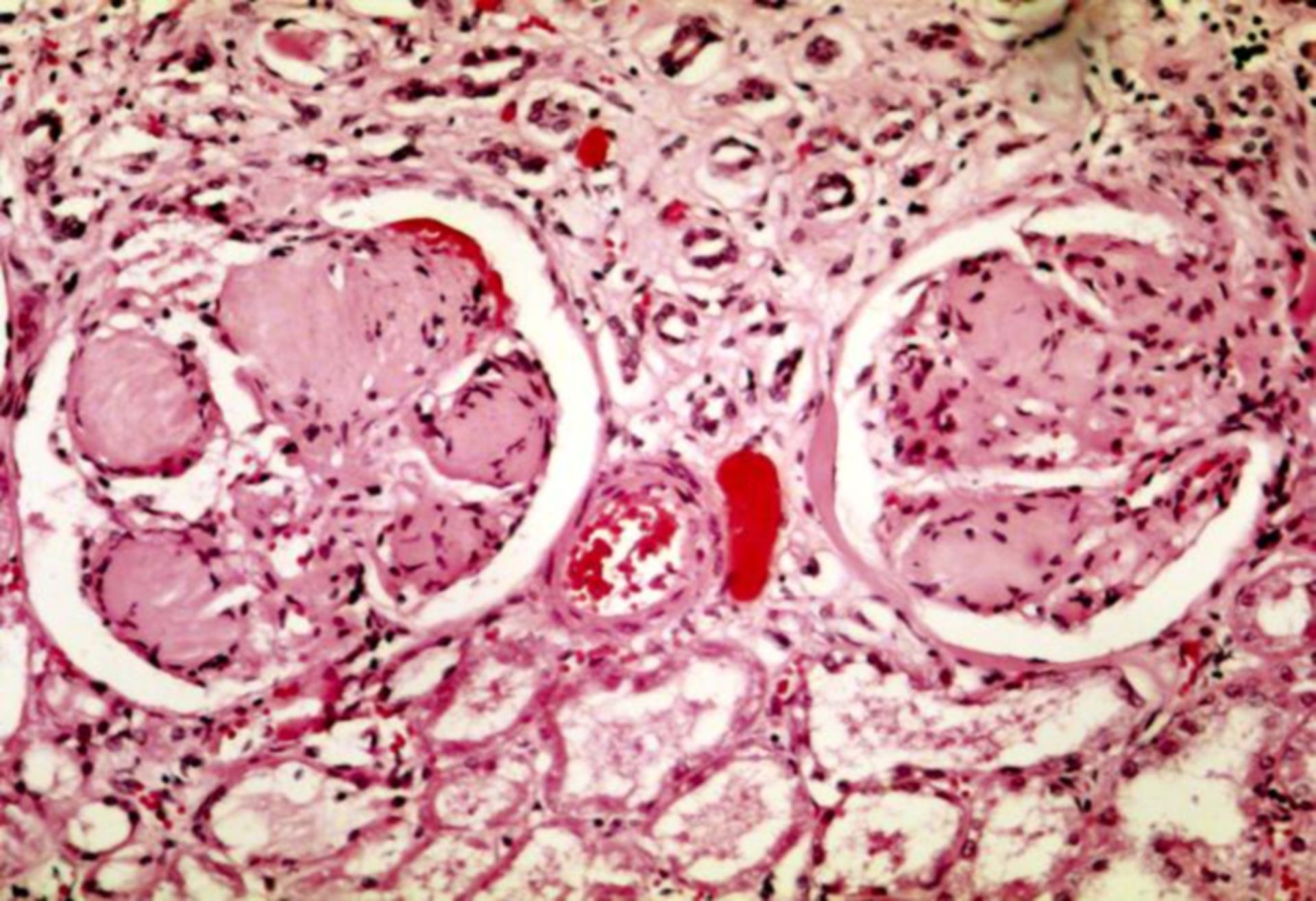
APOL1-associated disease may involve damage to podocytes, specialized cells that help maintain the kidney's filtration barrier. When these structures are injured, protein can leak into the urine and kidney function may decline.
The condition may be associated with FSGS and other forms of chronic kidney disease. Because symptoms can be limited or absent in the early stages, assessment of kidney function and urine protein can be important when clinically indicated.
Understanding APOL1 Kidney Disease Treatment
The appropriate APOL1 kidney disease treatment depends on the person's kidney function, proteinuria, blood pressure, and overall medical circumstances.
Care may include managing blood pressure, reducing protein loss, addressing cardiovascular risk factors, and monitoring kidney function. Clinicians may consider medications commonly used for proteinuric chronic kidney disease when suitable for the individual patient.
Researchers are also investigating therapies designed to target APOL1-related biological mechanisms directly. These approaches aim to reduce the harmful effects associated with APOL1 risk variants. However, APOL1-targeted treatments remain an evolving area of research, and investigational therapies should not be regarded as established treatment options outside their approved or authorized use.
Genetic testing may help clarify whether APOL1 risk variants are relevant in a particular clinical situation. Testing decisions are best discussed with a qualified healthcare professional who can explain the possible benefits, limitations, and implications of the results.
What Are APOL1-Mediated Kidney Diseases?
The term APOL1-mediated kidney diseases refers to kidney conditions associated with the effects of certain APOL1 gene variants. These variants can increase susceptibility to kidney injury, but the clinical presentation and rate of progression vary between individuals.
FSGS is one condition associated with APOL1-related risk. It involves scarring in portions of the kidney's glomeruli and can cause proteinuria and declining kidney function. APOL1 risk variants may also be relevant in other forms of chronic kidney disease.
It is important to distinguish genetic susceptibility from a confirmed diagnosis. A person may carry APOL1 risk variants without having kidney disease, while an individual with kidney disease may have several contributing factors. Clinical evaluation, laboratory findings, and other diagnostic information help establish the most appropriate interpretation.
Diagnosis and Ongoing Monitoring
Evaluation of suspected kidney disease often includes urine tests to measure protein, blood tests to assess kidney function, and blood pressure measurements. Depending on the findings, healthcare professionals may recommend additional investigations, a kidney biopsy, or genetic testing.
For people with known kidney disease, regular monitoring can help identify changes before complications become more pronounced. The frequency and type of testing depend on the diagnosis, disease severity, and treatment plan.
Patients can also prepare for appointments by keeping track of symptoms, understanding their medications, and asking their healthcare team which results should be monitored. Changes in swelling, urine appearance, or general health should be discussed with a clinician, particularly when symptoms are new or worsening.
The Role of Research and Patient Education
Research into rare and genetic kidney diseases continues to improve understanding of how kidney injury develops and which treatment strategies may help. APOL1 research is especially important because it explores the relationship between inherited risk and kidney damage, with the long-term goal of improving care for affected patients.
Patient education is another important part of kidney health. Reliable resources can help individuals understand diagnoses, prepare questions for medical appointments, and learn about research developments without relying on unverified claims.
Conclusion
Nephrotic syndrome describes a pattern of findings involving significant protein loss, while APOL1-associated kidney disease refers to kidney conditions linked to specific genetic risk variants. Both require individualized evaluation because their symptoms, causes, and treatment needs can differ considerably.
Appropriate medical assessment, management of relevant risk factors, and regular monitoring can help guide kidney care. Anyone with persistent protein in the urine, unexplained swelling, or abnormal kidney-function results should consult a qualified healthcare professional for evaluation and personalized advice.
- Goth Lifestyle
- Fashion & Style
- Music & Bands
- Art & Photography
- Creative Writing & Poetry
- Events & Scene
- Occult & Spirituality
- DIY & Tutorials
- Beauty & Self-Care
- Relationships & Dating
- Gaming & Media
- Tech & Gadgets
- Body Art & Piercings
- Underground Culture
- Spotlights & Interviews
- Travel & Places
- Lifestyle & Daily Life
- Fitness & Health
- Travel & Adventure
- Books & Literature
- Tech & Gaming
- Movies & TV
- Food & Drinks
- Humor & Memes
- Pets & Animals
- General Arts & Crafts

 English
 French
 Spanish
 Portuguese
 Deutsch
 Turkish
 Dutch
Dutch
 Italiano
 Russian
 Romaian
 Portuguese (Brazil)
 Greek
Greek
