


Traditional Thai Massage Explained: History, Stretching Techniques and Who It Is Best For
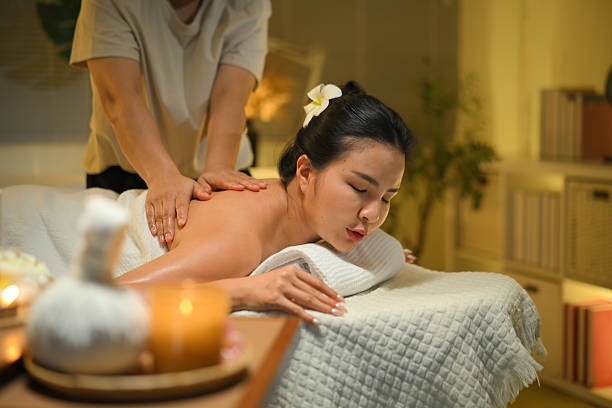
Traditional Thai massage is a centuries-old bodywork practice that combines assisted stretching, gentle pressure and rhythmic movements to encourage relaxation and improve flexibility. Unlike many Western massage styles, it does not usually involve oils or long gliding strokes. Instead, the therapist uses their hands, thumbs, palms and sometimes elbows, knees or feet to work with the body's muscles and joints.
For people experiencing everyday muscle tightness, stiffness after long hours at a desk or general physical tension, traditional Thai massage can offer a different approach to relaxation and movement.
This guide explores the history of Thai massage, how its stretching techniques work, what happens during a session and who may benefit most from this traditional treatment.
What Is Traditional Thai Massage?
Traditional Thai massage, also known as Nuad Thai or Nuad Boran, is a form of therapeutic bodywork that developed in Thailand over many generations.
It combines pressure applied to specific areas of the body with guided stretches and controlled movements. The therapist works through a sequence designed to address muscle tension, joint mobility and overall relaxation.
Unlike a typical oil massage, traditional Thai massage is usually performed while the client wears loose, comfortable clothing.
Sessions commonly take place on a padded floor mat, although some spas adapt the treatment to a massage table.
The treatment is sometimes described as assisted yoga because the therapist gently guides the body into different stretching positions. However, clients do not need previous yoga experience to take part.
The History and Origins of Traditional Thai Massage
Thai massage has a long history shaped by Thailand's cultural traditions, local healing practices and influences from neighbouring regions.
Its development is often associated with Buddhist communities and traditional Thai medicine.
Ancient Roots and Traditional Medicine
Thai massage is traditionally linked to Jivaka Kumar Bhaccha, a physician associated with the Buddha in Buddhist accounts.
However, its exact historical origins are difficult to establish. The modern practice developed over centuries through the exchange of medical knowledge and local healing traditions.
Elements of traditional Thai massage reflect influences from South Asian medical systems, stretching practices and Thai approaches to physical wellbeing.
The Role of Thai Temples
Buddhist temples played an important role in preserving and passing down traditional Thai massage knowledge.
One of the best-known centres is Wat Pho in Bangkok, which has a long association with traditional Thai medicine and massage education.
Thai massage techniques were historically taught through practical instruction, observation and written records.
Thai Massage in Modern Wellness
Today, traditional Thai massage is practised in wellness centres and spas around the world, including throughout the UK.
In 2019, UNESCO recognised Nuad Thai, traditional Thai massage, as part of the Intangible Cultural Heritage of Humanity.
Although the treatment has become popular internationally, its traditional principles remain closely connected to Thai cultural heritage.
How Does Traditional Thai Massage Work?
Traditional Thai massage uses a combination of pressure, stretching and body positioning.
Instead of focusing only on one muscle group, a therapist may work through several areas of the body in a structured sequence.
1. Gentle Pressure Techniques
The therapist applies controlled pressure using their thumbs, palms or other suitable parts of the body.
This pressure may be applied along the legs, arms, shoulders and back.
The aim is to help reduce the sensation of muscle tightness and encourage relaxation.
Pressure should always be adjusted to the client's comfort.
2. Assisted Stretching
Stretching is one of the most recognisable features of traditional Thai massage.
The therapist gently moves the client's arms, legs or torso into supported positions.
These movements may help improve the feeling of flexibility and ease temporary stiffness.
Clients should never be forced into uncomfortable positions.
3. Rhythmic Compression
Rhythmic compression involves applying and releasing pressure in a controlled pattern.
The technique is commonly used on larger muscle groups, including the thighs and back.
Many people find this steady rhythm relaxing.
4. Joint Mobilisation
Some Thai massage sessions include gentle movements around the shoulders, hips, ankles and other joints.
These movements are intended to support comfortable mobility rather than force a joint beyond its natural range.
A qualified therapist should adapt or avoid techniques where joint problems or medical conditions make them unsuitable.
Common Stretching Techniques Used in Thai Massage
The exact techniques used depend on the therapist's training, the client's mobility and the style of treatment.
Leg and Hamstring Stretches
These stretches focus on the muscles at the back of the thighs and around the hips.
They may feel particularly useful for people who spend long periods sitting.
The therapist supports the leg and gradually moves it within a comfortable range.
Hip-Opening Movements
Traditional Thai massage may include supported movements designed to stretch muscles around the hips.
These can be helpful for people who experience general tightness after prolonged sitting or everyday activity.
However, clients with hip injuries or joint conditions may need modifications.
Shoulder and Upper-Back Stretches
Shoulder movements are commonly included in Thai massage sessions.
They may involve gentle arm positioning, controlled stretches and pressure around the upper back.
These techniques can feel relaxing for people who experience everyday shoulder tension.
Gentle Spinal Movements
Some Thai massage styles include supported movements involving the back and torso.
These may involve gentle rotation or stretching, depending on the client's flexibility.
Forceful twisting is not appropriate for everyone, particularly people with spinal problems, osteoporosis or certain injuries.
Traditional Thai Massage vs Swedish Massage
Although both treatments are commonly offered in UK spas, they use different techniques.
| Feature | Traditional Thai Massage | Swedish Massage |
|---|---|---|
| Main techniques | Assisted stretching, pressure and compression | Gliding, kneading and rhythmic strokes |
| Clothing | Usually fully clothed | Usually performed with appropriate draping |
| Massage oil | Generally not required | Commonly used |
| Typical position | Padded mat or adapted table | Massage table |
| Client movement | Includes guided stretching | Mostly passive relaxation |
| Main experience | Stretching combined with pressure | Flowing, hands-on muscle massage |
Neither treatment is automatically better.
Traditional Thai massage may appeal to people who enjoy stretching and movement, while Swedish massage may suit those who prefer gentle, flowing strokes.
Who Is Traditional Thai Massage Best For?
Traditional Thai massage can be suitable for a range of adults, provided the treatment is adapted to their physical condition and comfort.
People Who Spend Long Hours Sitting
Office workers and people with desk-based routines often experience stiffness around the shoulders, hips and lower back.
Gentle stretching and pressure may help them feel more relaxed and mobile.
People With General Muscle Tightness
Those experiencing everyday muscular tension may enjoy the combination of pressure and assisted stretching.
However, Thai massage should not be treated as a substitute for medical assessment when pain is persistent, severe or unexplained.
Active Adults and Recreational Sports Players
People who regularly exercise may enjoy Thai massage as part of their general relaxation and recovery routine.
The stretching elements may temporarily improve flexibility, although they do not replace appropriate warm-ups, rehabilitation or recovery practices.
People Who Prefer Massage Without Oil
Some clients dislike oil-based treatments or prefer to remain fully clothed.
Traditional Thai massage offers an alternative that generally requires no massage oil.
People Looking for a Different Relaxation Experience
For those familiar with Swedish or aromatherapy massage, Thai massage offers a more movement-focused treatment.
The combination of stretching and rhythmic pressure can make the experience feel both relaxing and physically engaging.
Who Should Avoid or Modify Traditional Thai Massage?
Traditional Thai massage is not suitable for everyone.
Because it involves pressure and assisted stretching, certain medical conditions require additional care.
You should speak to a healthcare professional before booking if you have:
-
Osteoporosis or fragile bones.
-
A recent fracture, operation or significant injury.
-
A history of blood clots or suspected deep vein thrombosis.
-
Severe joint problems or spinal instability.
-
A condition affecting circulation or sensation.
-
Uncontrolled cardiovascular problems.
-
A high-risk pregnancy or pregnancy-related complications.
People who are pregnant should seek a therapist specifically trained in pregnancy massage and obtain medical advice where appropriate.
Avoid massage over areas affected by acute inflammation, infection or unexplained swelling.
Always tell your therapist about relevant health conditions, recent injuries and any discomfort during the session.
What Happens During a Traditional Thai Massage Session?
If you have never experienced Thai massage before, knowing what to expect can make your first appointment more comfortable.
Before the Massage
Your therapist should ask about your general health, areas of tension and any injuries or medical conditions.
This is also an opportunity to explain your preferred pressure level.
During the Massage
You will usually wear loose, comfortable clothing and lie on a padded mat or suitable massage table.
The therapist may work through your feet, legs, arms, back and shoulders using a combination of pressure and assisted stretches.
You may be asked to change positions during the treatment.
The movements should feel controlled and comfortable. You should not feel pressured to tolerate painful stretching.
After the Massage
Some people feel relaxed, while others notice temporary changes in how loose or flexible their muscles feel.
Mild muscle soreness can occasionally occur, particularly after a more active session.
If you experience significant pain, unusual symptoms or symptoms that persist, seek appropriate medical advice.
How Long Should a Thai Massage Session Last?
Traditional Thai massage sessions commonly last between 30 and 90 minutes, although longer treatments may be available.
A shorter session may focus on selected areas, such as the shoulders or back.
A 60-minute session generally allows more time for a wider range of techniques.
A 90-minute treatment may provide a slower, more detailed full-body experience.
For first-time clients, a shorter or moderate-length session with gentle pressure can be a sensible introduction.
Does Traditional Thai Massage Hurt?
Traditional Thai massage should not be excessively painful.
Some stretches may create a noticeable pulling sensation, and certain pressure techniques may feel firm.
However, sharp pain, numbness or uncomfortable joint movements are signs that the therapist should stop or adjust the technique.
A good therapist will work within your comfort level and encourage feedback throughout the session.
You do not need to tolerate pain to receive the potential benefits of massage.
How Often Should You Have a Thai Massage?
There is no single schedule that suits everyone.
Some people book Thai massage occasionally for relaxation, while others prefer more regular appointments.
The appropriate frequency depends on personal preference, physical condition, budget and how your body responds.
If you are receiving treatment for a specific health concern, seek advice from an appropriate healthcare professional rather than relying on massage alone.
How to Choose a Traditional Thai Massage Therapist in the UK
Choosing a trained and professional therapist is important, particularly because Thai massage involves assisted stretching.
Before booking, consider the following:
-
Relevant training and experience in traditional Thai massage.
-
A clear health consultation before treatment.
-
Willingness to adjust pressure and stretching techniques.
-
Clean, comfortable and professional treatment facilities.
-
Transparent information about session duration and prices.
-
Appropriate insurance and professional standards.
A reputable therapist should explain the treatment and respect your comfort and personal boundaries.
Frequently Asked Questions
What is traditional Thai massage?
Traditional Thai massage is a form of bodywork combining pressure, assisted stretching and rhythmic compression. It is usually performed while the client wears comfortable clothing.
Is Thai massage good for flexibility?
Some people experience a temporary improvement in flexibility or ease of movement after a session. Results vary, and regular exercise and stretching remain important for long-term mobility.
Do you wear clothes during a Thai massage?
Yes. Traditional Thai massage is generally performed while the client is fully clothed. Loose clothing allows comfortable movement during stretching.
Is traditional Thai massage suitable for beginners?
Yes, many beginners can enjoy Thai massage when the therapist adjusts the pressure and stretches to their comfort and physical ability.
What is the difference between Thai massage and deep tissue massage?
Thai massage typically combines assisted stretching with pressure and movement. Deep tissue massage focuses more on applying pressure to deeper layers of muscle and connective tissue, usually with less assisted stretching.
Can Thai massage help with back stiffness?
Gentle massage and stretching may provide temporary relief from everyday muscular stiffness. Persistent, severe or unexplained back pain should be assessed by a healthcare professional.
Is Thai massage better than an oil massage?
Neither is universally better. Thai massage may suit people who enjoy stretching and movement, while oil massage may be preferable for those seeking a more passive relaxation experience.
Final Thoughts
Traditional Thai massage offers a distinctive combination of assisted stretching, rhythmic pressure and relaxation techniques rooted in Thailand's cultural heritage.
For people dealing with everyday muscle tightness, desk-related stiffness or a desire for a different massage experience, it may be an enjoyable addition to a general wellbeing routine.
The key is choosing a properly trained therapist, communicating your comfort level and selecting a treatment that suits your physical needs.
Whether you are trying Thai massage for the first time or exploring alternatives to conventional oil massage, understanding its techniques and limitations can help you make an informed decision.
- Goth Lifestyle
- Fashion & Style
- Music & Bands
- Art & Photography
- Creative Writing & Poetry
- Events & Scene
- Occult & Spirituality
- DIY & Tutorials
- Beauty & Self-Care
- Relationships & Dating
- Gaming & Media
- Tech & Gadgets
- Body Art & Piercings
- Underground Culture
- Spotlights & Interviews
- Travel & Places
- Lifestyle & Daily Life
- Fitness & Health
- Travel & Adventure
- Books & Literature
- Tech & Gaming
- Movies & TV
- Food & Drinks
- Humor & Memes
- Pets & Animals
- General Arts & Crafts

 English
 Arabic
 French
 Spanish
 Deutsch
 Turkish
 Dutch
Dutch
 Italiano
 Russian
 Romaian
 Portuguese (Brazil)
 Greek
Greek
