


Preparing for the Zero-Emission Revolution in Heavy Transport
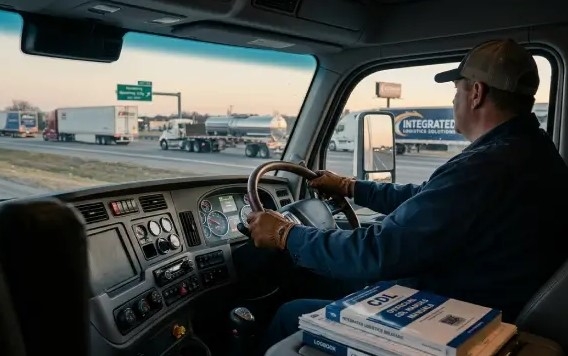
The commercial transport sector is currently standing at the very beginning of a massive technological revolution that will completely phase out traditional internal combustion engines. State authorities, particularly in California, have implemented strict legislative deadlines requiring fleet operators to transition heavily toward zero-emission vehicles over the next decade. Major manufacturers are already rolling out fully electric and hydrogen fuel cell commercial tractors, and massive logistics companies are actively integrating these advanced machines into their daily operations. This aggressive push for environmental sustainability changes the actual physical mechanics of operating a heavy vehicle. For individuals entering the workforce today, understanding the specific dynamics of electric commercial transport is no longer just a novelty; it is a strict requirement for long-term career survival.
Operating a battery-electric Class 8 tractor feels entirely different from driving a standard diesel machine. An electric motor delivers one hundred percent of its torque the exact second you press the accelerator pedal, requiring the driver to completely adjust their foot pressure to prevent aggressive, highly dangerous jolts to the trailer. During professional CDL Training in Santa Clara, the curriculum is rapidly adapting to teach students how to safely manage this massive, instant power delivery. Furthermore, the absence of a traditional heavy diesel engine means the truck operates in almost complete silence. While this heavily reduces driver fatigue and hearing damage, it also means pedestrians and smaller vehicles frequently do not hear the truck approaching, requiring the operator to maintain an even higher level of visual awareness in urban settings.
The most significant operational change involves mastering the complex regenerative braking systems equipped on all electric commercial vehicles. In a traditional truck, the operator relies heavily on pneumatic air brakes and a mechanical engine brake to slow the vehicle on steep downgrades. An electric truck uses the resistance of the electric motor itself to slow the vehicle down, simultaneously capturing that kinetic energy and feeding it directly back into the massive battery pack. A highly skilled operator can completely control the speed of a fully loaded trailer descending a mountain grade almost entirely through regenerative braking, drastically reducing wear on the physical brake pads. Learning to balance this digital braking system requires strict instruction and a completely new understanding of momentum physics.
Route planning also requires a completely different analytical approach when operating a zero-emission vehicle. Diesel fuel stations are located on almost every highway exit, but commercial-grade electric charging infrastructure is still currently under heavy development. Drivers must accurately calculate the heavy drain on the battery caused by massive cargo weight, steep elevation changes, and extreme weather conditions that require constant cabin heating or air conditioning. You must carefully plan your mandatory federal rest breaks to coincide exactly with available charging stations, ensuring the vehicle has enough power to reach the next destination. This requires a highly methodical, mathematically focused mindset, adding a completely new layer of responsibility to the daily dispatch routine.
The transition to zero-emission freight provides a massive career advantage for newly licensed operators who actively embrace the technology early. Fleet managers are heavily investing millions of dollars into these advanced vehicles, and they strictly want operators who completely respect the highly sensitive electrical systems. By demonstrating a strong understanding of regenerative braking, battery management, and instant torque control, you instantly make yourself an incredibly valuable asset to the most progressive transport companies in the country. The industry is moving away from the loud, dirty diesel engines of the past, and preparing yourself for the clean energy future guarantees you will remain highly employable for your entire working life.
Conclusion
The mandatory shift toward electric and hydrogen-powered commercial vehicles requires operators to learn completely new physical driving techniques and analytical route planning skills. Embracing this clean energy revolution early provides a massive professional advantage, ensuring long-term job security in a rapidly changing logistics market.
Call to Action
Prepare yourself for the future of the logistics industry by securing an education that understands the advanced technology replacing traditional diesel engines. Start building the highly technical skills required to operate the next generation of zero-emission commercial vehicles today.
- Goth Lifestyle
- Fashion & Style
- Music & Bands
- Art & Photography
- Creative Writing & Poetry
- Events & Scene
- Occult & Spirituality
- DIY & Tutorials
- Beauty & Self-Care
- Relationships & Dating
- Gaming & Media
- Tech & Gadgets
- Body Art & Piercings
- Underground Culture
- Spotlights & Interviews
- Travel & Places
- Lifestyle & Daily Life
- Fitness & Health
- Travel & Adventure
- Books & Literature
- Tech & Gaming
- Movies & TV
- Food & Drinks
- Humor & Memes
- Pets & Animals
- General Arts & Crafts

 English
 Arabic
 French
 Spanish
 Portuguese
 Deutsch
 Turkish
 Italiano
 Russian
 Romaian
 Portuguese (Brazil)
 Greek
Greek