


P1 Assessment Criteria Tasmania: 7 Skills to Get Right
Introduction
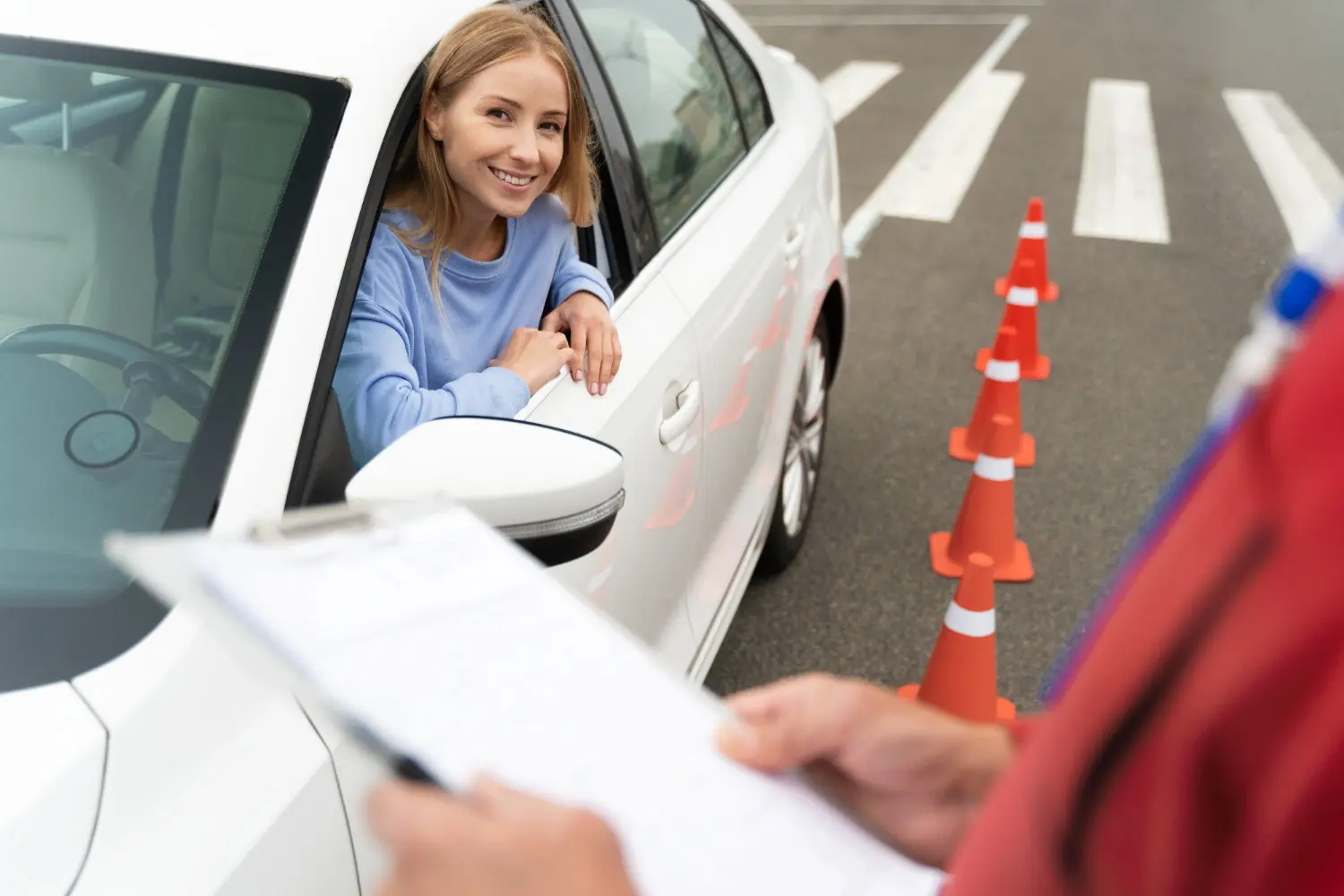
The p1 assessment criteria Tasmania learners need to prepare for reflect the practical skills used during everyday driving. Your assessment is not simply about reaching the destination without making a mistake. The assessor watches how you observe the road, communicate with other drivers, control your vehicle and react when conditions change. Understanding these areas can help you practise more effectively and build habits that support safer independent driving.
What Are the Seven Skills Your Assessor Checks?
The p1 assessment criteria Tasmania covers Look, Signal, Flow, Movement, Path, Responsiveness and Vehicle Management. These skills are considered throughout the drive and help demonstrate whether you can make safe decisions while maintaining proper control of the vehicle.
You may demonstrate several skills during one situation. For example, when moving into another lane, you need to check your mirrors and blind spot, signal, judge the available gap, maintain a suitable speed and move smoothly.
This is why preparation should not involve memorising a list and trying to recite it during your test. Instead, practise the behaviours until they become part of your normal driving routine.
How Do Look, Signal and Flow Affect Your Assessment?
Look, Signal and Flow demonstrate your awareness of surrounding traffic and your ability to communicate clearly. Good observation helps you identify hazards, appropriate signalling tells others what you intend to do, and smooth flow helps you respond without unnecessary hesitation.
Look involves more than watching the vehicle ahead. You should regularly check mirrors and use appropriate head checks before changing position or making other movements.
Signal is about communicating your intention at the right time. When turning or changing lanes, use the indicator appropriately but always confirm that the movement is safe before proceeding.
Flow means maintaining suitable progress while responding to traffic conditions. On a busy Hobart road, looking well ahead can help you anticipate changes and avoid sudden braking or unnecessary stops.
Why Do Movement and Path Matter?
Movement and Path demonstrate your ability to control the car and maintain a suitable position. Appropriate speed, smooth braking, controlled acceleration and accurate steering all contribute to safe vehicle handling.
A steep Hobart hill can be a useful example. During a hill start, you need to coordinate the controls carefully and move away without unnecessary rolling or harsh acceleration.
Path relates to where the vehicle travels. You need to choose an appropriate line through turns, curves, intersections and lane changes while maintaining safe positioning.
Professional driving lessons can provide useful feedback on these skills. An instructor can observe your control from the passenger seat and help you correct positioning or steering habits that you may not notice yourself.
How Do Responsiveness and Vehicle Management Test Your Awareness?
Responsiveness and Vehicle Management show whether you can adapt to changing circumstances while continuing to control the vehicle. Safe driving requires you to notice hazards early, adjust your actions and operate the car without losing concentration.
Tasmanian weather can change the way you need to drive. If rain reduces visibility or makes the road surface slippery, you may need to reduce speed and leave more room around your vehicle.
Wildlife is another potential hazard around dusk, particularly on roads outside busy urban areas. Spotting an animal near the roadside early gives you more time to slow down and respond safely.
Vehicle Management includes using the controls effectively while remaining focused on traffic and road conditions. Good driver training can help you practise these responses, while an experienced driving school can help identify areas where your driving needs further development.
Conclusion
Understanding the p1 assessment criteria Tasmania uses gives you a useful framework for preparing for your practical assessment. Look, Signal, Flow, Movement, Path, Responsiveness and Vehicle Management should work together naturally during every drive. Focus on safe habits rather than memorising assessment points, practise across different Tasmanian road conditions and seek professional support when you need additional guidance.
- Goth Lifestyle
- Fashion & Style
- Music & Bands
- Art & Photography
- Creative Writing & Poetry
- Events & Scene
- Occult & Spirituality
- DIY & Tutorials
- Beauty & Self-Care
- Relationships & Dating
- Gaming & Media
- Tech & Gadgets
- Body Art & Piercings
- Underground Culture
- Spotlights & Interviews
- Travel & Places
- Lifestyle & Daily Life
- Fitness & Health
- Travel & Adventure
- Books & Literature
- Tech & Gaming
- Movies & TV
- Food & Drinks
- Humor & Memes
- Pets & Animals
- General Arts & Crafts

 English
 Arabic
 French
 Spanish
 Deutsch
 Turkish
 Dutch
Dutch
 Italiano
 Russian
 Romaian
 Portuguese (Brazil)
 Greek
Greek