


Fire Watch for Commercial Buildings | A Practical Safety Guide
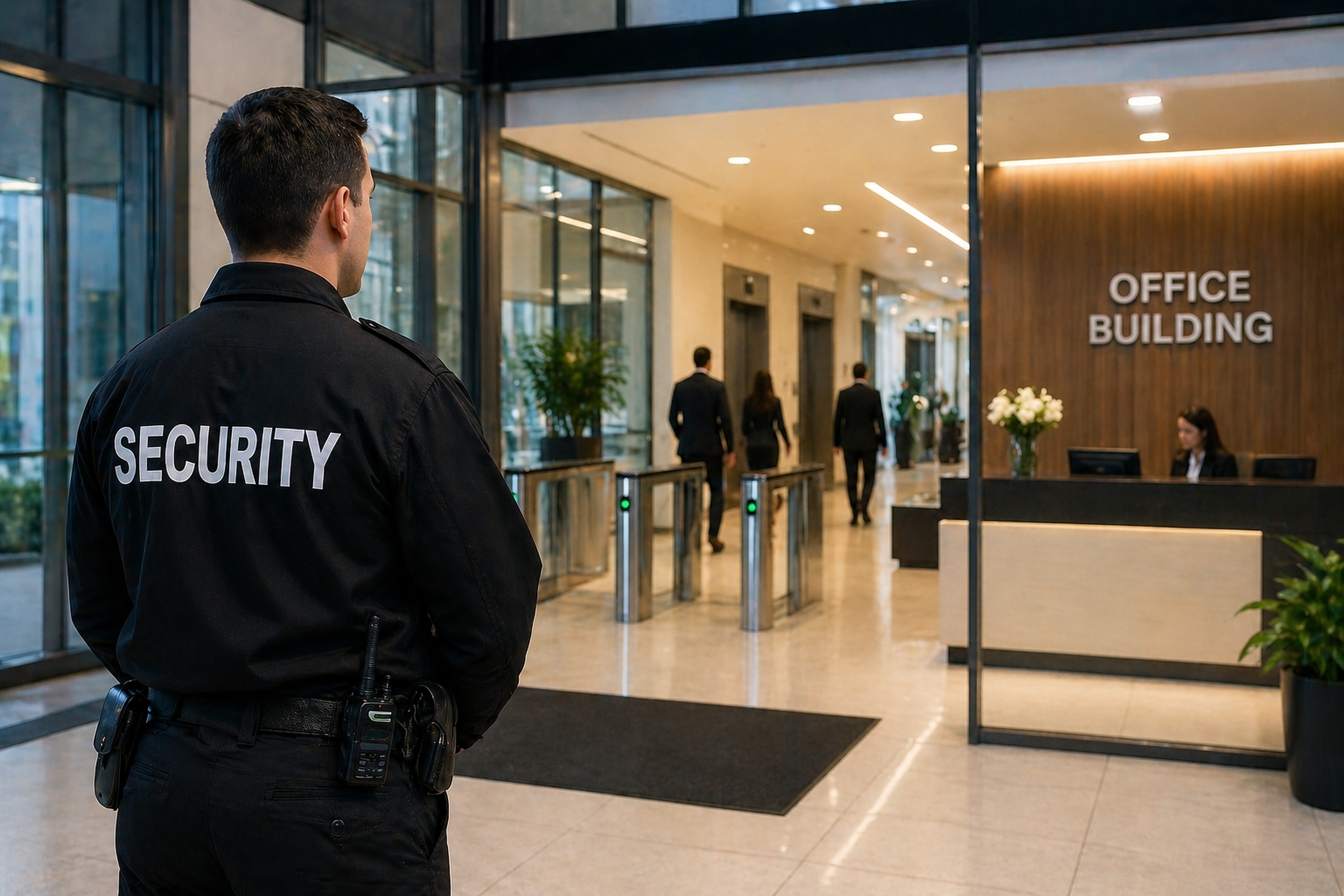
Fire Watch for Commercial Buildings provides an important layer of protection when normal fire safety systems are unavailable, under repair, or affected by construction and maintenance work. Commercial properties often contain employees, visitors, equipment, documents, and valuable materials, so even a temporary safety gap can create serious concerns. A trained fire watch can monitor the property, identify possible hazards, report unusual conditions, and help maintain awareness until normal protection is restored.
Why Fire Watch for Commercial Buildings Matters
Commercial properties can face different fire risks depending on their size, layout, activities, and operating hours. Offices, retail spaces, warehouses, medical facilities, and mixed-use buildings may all require different safety procedures. A temporary problem with an alarm system or sprinkler system can increase the need for additional observation.
Fire watch personnel provide a visible presence while following a defined inspection routine. Their role is not simply to walk around a building. They look for signs of smoke, heat, unsafe conditions, blocked exits, combustible materials, or other hazards that could require immediate attention.
A consistent monitoring routine can also help property managers maintain better awareness during periods when normal fire protection measures are limited.
When Commercial Properties May Need Fire Watch
There are several situations in which additional fire monitoring may become necessary. One common example is maintenance involving a fire alarm or sprinkler system. If part of the system is temporarily unavailable, the property may need additional monitoring until the system is operational again.
Construction and renovation projects can also create temporary risks. Workers may use equipment that produces heat or sparks, move combustible materials, or change the normal layout of a building. These conditions require careful attention to fire safety.
Hot work such as welding, cutting, and similar activities can create additional hazards. A suitable monitoring procedure can help identify problems quickly and ensure that concerns are communicated to the responsible people.
Common Responsibilities of Fire Watch Personnel
Fire watch duties should be based on the requirements of the property and its current conditions. Regular patrols are one important responsibility. Personnel may inspect designated areas and look for visible signs of fire or conditions that could increase the risk of an incident.
They may also check that emergency exits remain accessible and that important pathways are not blocked by equipment, materials, or temporary storage.
Communication is another important part of the role. If a concerning condition is discovered, the information should be communicated according to the property's emergency procedures. Clear communication can help management respond without unnecessary delay.
Documentation can also be valuable. Patrol records and incident reports can provide property managers with useful information about what was observed during a fire watch period.
Fire Risks During Construction and Maintenance
Construction and maintenance can change the normal safety conditions of a commercial property. Walls may be opened, electrical work may be underway, and temporary materials may be stored in areas that normally remain clear.
These activities require attention because the usual building layout may no longer provide the same level of protection. Security personnel working around construction areas should understand which locations require additional observation.
For example, construction guards North Park may monitor active work areas where equipment, materials, and temporary structures create additional security concerns. Fire safety and general site security can sometimes overlap, particularly when work continues outside normal business hours.
Property managers should also make sure contractors understand site rules. Good communication between management, contractors, and monitoring personnel can reduce confusion when conditions change.
Protecting Emergency Exits and Access Routes
Emergency exits should remain accessible and clearly identifiable. During commercial renovations, materials and equipment can sometimes be placed in areas that interfere with normal movement.
Regular inspections can help identify blocked routes before they become an emergency concern. Fire watch personnel may also observe doors, stairways, corridors, and other designated areas according to site instructions.
Access routes for emergency responders should receive appropriate attention as well. Property managers can establish procedures that help keep important areas accessible during construction, maintenance, or other temporary activities.
Why Documentation Is Important
A fire watch program should include a clear reporting process. Documentation can help property managers understand what was observed during each patrol and whether any concerns were identified.
Reports may include the time of an inspection, the areas checked, unusual conditions, corrective actions, and any communication made during the shift. Accurate records can support better management decisions and help identify recurring problems.
Documentation is particularly useful when a property has several contractors or multiple teams working on different areas. A written record gives management a clearer picture of changing conditions.
Fire Watch and Broader Property Protection
Fire monitoring is focused on fire-related risks, but commercial properties may have other security concerns at the same time. Construction areas, vacant spaces, storage rooms, and equipment zones can require additional attention.
For example, construction site guards Orange County may monitor access points and work areas where expensive equipment and materials are stored. Their duties can complement other site procedures while keeping security concerns separate from specialized fire watch responsibilities.
Businesses should clearly define the responsibilities of each security function. This helps prevent gaps and makes it easier for personnel to know what should be reported.
Choosing a Fire Watch Provider
Before selecting a provider, commercial property managers should understand the property's current risks and requirements. The provider should be able to explain how personnel will monitor the site, how incidents will be documented, and how communication will work during an emergency.
It is also useful to discuss the property's operating hours and any temporary activities taking place. A building undergoing renovation may require a different approach from a fully occupied office.
Businesses with valuable inventory may have additional security considerations. For example, armed security for warehouses Orange County addresses a different security requirement and should not be treated as a substitute for specialized fire monitoring.
Frequently Asked Questions
What is a fire watch?
A fire watch is a temporary monitoring procedure used when normal fire protection systems are unavailable or when specific activities create additional fire risks. Personnel observe designated areas and report hazards or emergencies according to established procedures.
When might a commercial building need fire watch?
A property may need fire watch during fire alarm or sprinkler system outages, construction, renovation, hot work, maintenance, or other circumstances that temporarily affect normal fire protection.
What does a fire watch officer look for?
Personnel may look for smoke, flames, unusual heat, blocked exits, unsafe storage, combustible materials, and other conditions that could create a fire concern.
How long does fire watch coverage last?
The duration depends on the situation. Coverage may continue until a fire protection system is restored, a temporary hazard is removed, or the property's responsible authority determines that additional monitoring is no longer required.
Can fire watch be part of a wider security plan?
Yes. Fire monitoring can operate alongside access control, patrols, property protection, and other security measures when responsibilities are clearly defined.
Final Thoughts
Commercial properties need consistent attention when normal fire protection systems are temporarily affected or when construction and maintenance activities create additional risks. A structured monitoring plan can help identify hazards, maintain awareness, support emergency communication, and provide useful documentation. For businesses seeking professional support with property protection and security planning, White Tiger Security Services can help develop coverage around the specific needs of a commercial property.
- Goth Lifestyle
- Fashion & Style
- Music & Bands
- Art & Photography
- Creative Writing & Poetry
- Events & Scene
- Occult & Spirituality
- DIY & Tutorials
- Beauty & Self-Care
- Relationships & Dating
- Gaming & Media
- Tech & Gadgets
- Body Art & Piercings
- Underground Culture
- Spotlights & Interviews
- Travel & Places
- Lifestyle & Daily Life
- Fitness & Health
- Travel & Adventure
- Books & Literature
- Tech & Gaming
- Movies & TV
- Food & Drinks
- Humor & Memes
- Pets & Animals
- General Arts & Crafts

 English
 Arabic
 French
 Spanish
 Portuguese
 Deutsch
 Turkish
 Dutch
Dutch
 Italiano
 Romaian
 Portuguese (Brazil)
 Greek
Greek