


Skin Surgery in UK: What Can Patients Expect During an Initial Assessment?
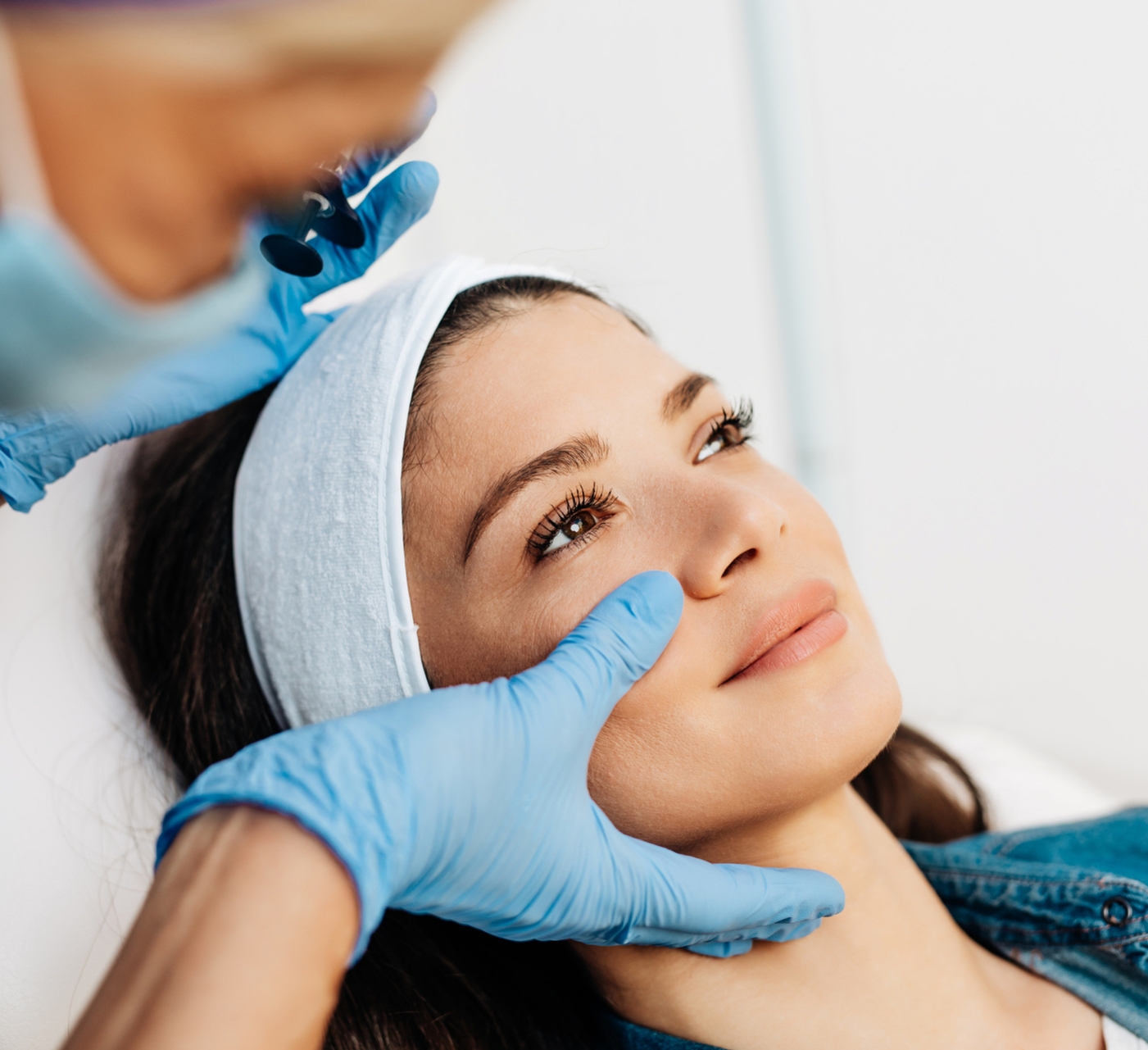
Choosing to undergo a skin procedure often begins with an initial assessment. This appointment provides an opportunity for a patient to discuss a skin concern, understand the available treatment options, and learn how a procedure may be approached. Rather than focusing only on the treatment itself, an assessment allows the clinician to consider the individual characteristics of the skin and the specific concern being addressed.
At Well Life Clinic, an initial consultation can provide a structured setting where patients can discuss their concerns and receive information tailored to their circumstances. Understanding what happens during this appointment can help patients feel more prepared and know what information may be useful to discuss.
Understanding the Reason for the Consultation
The initial assessment usually begins with a discussion about why the patient is considering treatment. Skin concerns can vary considerably, from a particular lesion or growth to changes in the appearance or texture of the skin.
A patient may be concerned about the location, size, appearance, or persistence of a particular skin feature. The clinician may ask when the concern was first noticed and whether it has changed over time.
The discussion can also help establish what the patient hopes to achieve from treatment. Some patients may primarily want a clinical assessment, while others may already be considering removal or another form of skin surgery.
Reviewing the Patient’s Skin Concern
A detailed assessment of the specific area is an important part of the consultation. The clinician may examine the skin closely to understand its appearance, position, size, and surrounding tissue.
Depending on the concern, the assessment may involve looking at factors such as:
- The location of the skin lesion or abnormality
- Its size and shape
- Its colour and surface characteristics
- Whether it appears raised, flat, attached, or located beneath the skin
- The condition of the surrounding skin
- Whether there have been noticeable changes over time
This information can help the clinician determine what type of assessment or procedure may be appropriate.
Discussing Changes in the Skin
Patients should be prepared to explain any changes they have noticed. A skin concern that has gradually changed may require a different assessment from one that has remained stable.
The clinician may ask about changes in size, shape, colour, texture, or general appearance. Patients may also be asked whether the area has become more noticeable or whether it has changed in relation to the surrounding skin.
Providing an accurate history can help create a clearer picture of the concern before treatment options are discussed.
Reviewing Medical History
A patient’s general medical history may also form part of the initial assessment. This gives the clinician important background information when considering whether a particular procedure is suitable.
The consultation may include questions about previous medical conditions, earlier procedures, and relevant treatments. Patients should provide information about any ongoing medical care that could be relevant to their planned treatment.
A medical history can also help the clinician understand the patient’s overall circumstances rather than assessing the skin concern in isolation.
Discussing Current Medications and Allergies
Information about current medication and known allergies may be discussed during an initial consultation. Patients should provide an accurate list of medicines, including regularly prescribed treatments and other products they use as part of their healthcare.
Allergies and previous reactions to medicines or medical materials should also be mentioned.
Having this information available can make the consultation more comprehensive and allows the clinician to take the patient’s individual circumstances into account when discussing possible treatment.
Examining the Skin and Surrounding Area
A physical examination is often an important part of an initial skin assessment. The clinician may examine the affected area directly and compare it with the surrounding skin.
The examination can provide information that may not be apparent from a patient's description alone. The clinician may consider the depth, position, size, and characteristics of the area when discussing possible approaches.
For some concerns, the examination may also help determine whether additional assessment is appropriate before a procedure is considered.
Discussing Possible Skin Procedures
Once the skin concern has been assessed, the clinician can explain which types of procedures may be relevant. The appropriate approach depends on the nature and location of the skin concern.
Depending on the individual case, skin surgery may involve removing a specific area of skin or treating a particular lesion. The clinician can explain the proposed technique and why it may be considered appropriate.
Patients should have the opportunity to ask questions about the procedure and understand what the treatment involves before making a decision.
Understanding the Treatment Area
The location of a skin concern can influence how a procedure is planned. Skin on different parts of the body can vary in thickness, movement, and appearance.
The clinician may therefore discuss how the treatment area will be approached and how the procedure relates to the surrounding skin.
Areas that are more visible may require particular consideration during treatment planning. The consultation provides an opportunity to discuss these factors and ensure that the patient understands the proposed approach.
Discussing the Patient’s Expectations
An effective consultation involves more than examining the skin. It also provides an opportunity for the patient to explain what they expect from treatment.
Some patients may want to address a specific skin concern, while others may have questions about how the treated area could look afterwards. Discussing expectations allows the clinician to explain what the proposed procedure is intended to achieve.
Clear communication is particularly important when a patient has specific concerns about the appearance or location of the area being treated.
Explaining the Procedure
If skin surgery is considered appropriate, the clinician can explain the procedure in straightforward terms. This may include information about how the area is prepared, how the treatment is carried out, and what the patient can expect on the day.
Patients may also receive information about the expected appointment length and whether any preparation is required beforehand.
Understanding the sequence of treatment can make the process easier to follow and gives patients an opportunity to raise questions before proceeding.
Discussing Local Anaesthesia
Depending on the type and location of the procedure, local anaesthesia may be discussed as part of the treatment plan. The clinician can explain whether it may be appropriate for the particular procedure and what patients can expect during its use.
This discussion can help patients understand how the treatment will be carried out and allows them to raise any questions they may have about the procedure.
Planning the Next Steps
The initial consultation does not necessarily mean that treatment takes place immediately. In many cases, the assessment is used to determine the most suitable next step.
Depending on the findings, the clinician may recommend proceeding with a particular procedure, arranging further assessment, or discussing other appropriate options.
The patient can use this stage to consider the information provided and make an informed decision about whether they wish to proceed.
Preparing for a Skin Surgery Consultation
Patients can make their appointment more productive by preparing some basic information beforehand. It can be helpful to know when the skin concern was first noticed and whether it has changed.
Patients may also wish to prepare a list of current medicines, allergies, previous procedures, and relevant medical information.
Writing down questions before the appointment can also be useful. Common questions may relate to the proposed procedure, treatment area, appointment timing, preparation, and what happens afterwards.
What Questions Can Patients Ask?
An initial assessment should be a two-way conversation. Patients should feel comfortable asking questions and requesting clarification whenever something is unclear.
Questions may include:
- What type of skin procedure may be suitable for my concern?
- Why is this particular approach being considered?
- How is the treatment area assessed?
- What preparation is required before the procedure?
- How long might the appointment take?
- Will local anaesthesia be used?
- Will I need a follow-up appointment?
- What should I expect after the procedure?
Having these questions answered can help patients understand the treatment pathway before deciding how to proceed.
Choosing a Skin Surgery Clinic in the UK
Selecting an appropriate clinic is an important part of planning treatment. A professional consultation should give patients sufficient time to discuss their concerns, medical background, expectations, and available options.
A Skin Surgery Clinic In UK can provide a dedicated setting for assessing and discussing different skin concerns. Patients may benefit from choosing a clinic where the consultation process is clearly explained and where they have an opportunity to ask questions.
At Well Life Clinic, the initial assessment can help establish an individualised understanding of the patient's skin concern before treatment is planned.
The Role of a Private Skin Surgeon
A consultation with a Private Skin Surgeon In UK provides an opportunity to discuss a specific skin concern in a dedicated clinical setting. The assessment can focus on the characteristics of the area, the patient's medical background, and the objectives of treatment.
The clinician can explain whether a surgical approach may be appropriate and discuss the procedure in terms that are easy for the patient to understand.
This personalised discussion can help patients make decisions based on their individual circumstances rather than relying on general information about skin surgery.
Why an Individualised Assessment Matters
Every skin concern is different. Two areas that appear similar to a patient may differ in their location, size, depth, or relationship with the surrounding skin.
For this reason, an individual assessment is an important starting point. It allows the clinician to gather relevant information and develop a treatment discussion around the patient's specific needs.
Skin Surgery in UK can involve different approaches depending on the nature of the concern. A detailed consultation helps ensure that the proposed treatment is based on an assessment rather than assumptions.
What Happens After the Initial Assessment?
After the consultation, patients should have a clearer understanding of the recommended approach and the next stage of their care. If treatment is considered appropriate, the clinic can provide information about arranging the procedure.
Patients may also have the opportunity to consider the information they have received before confirming treatment.
The exact pathway will depend on the patient's individual concern and the findings of the assessment.
Conclusion
An initial assessment is an important first step when considering skin surgery. It provides an opportunity to discuss the reason for treatment, examine the skin concern, review relevant medical history, understand the patient's expectations, and consider suitable treatment options.
A consultation also gives patients the chance to ask questions and understand how a procedure may be planned. Whether someone is seeking assessment of a particular skin concern or considering surgical treatment, a structured consultation can provide useful information for making an informed decision.
At Well Life Clinic, patients can discuss their concerns in a professional clinical setting and explore an approach tailored to their individual circumstances. Understanding what to expect during the initial assessment can help patients arrive prepared and participate confidently in the consultation.
FAQs
What happens during an initial skin surgery assessment?
An initial assessment generally involves discussing the patient's skin concern, reviewing relevant medical history, examining the affected area, and discussing suitable treatment options. The clinician can also answer questions about the proposed procedure.
Do I need to prepare anything before a skin surgery consultation?
It can be useful to prepare information about when the skin concern began, any changes you have noticed, current medications, allergies, previous procedures, and relevant medical history. Preparing questions can also help you make the most of the appointment.
Will the clinician examine the skin during the consultation?
Yes, a physical examination of the affected area may form an important part of the assessment. The clinician may consider its size, appearance, location, and relationship with the surrounding skin.
Can I discuss my treatment expectations during the consultation?
Yes. Discussing your expectations is an important part of the consultation. It allows the clinician to understand what you hope to achieve and explain what the proposed treatment is intended to address.
Is local anaesthesia discussed during the assessment?
If local anaesthesia may be appropriate for the proposed procedure, the clinician can explain how it may be used and what patients can expect during treatment.
How is a skin surgery procedure selected?
The proposed procedure depends on factors such as the type and location of the skin concern, its characteristics, the patient's medical history, and the objectives of treatment. The clinician can discuss the options following the assessment.
Can I ask questions during a skin surgery consultation?
Yes. Patients are encouraged to ask questions about the proposed procedure, preparation, treatment process, appointment timing, and follow-up. A consultation should provide an opportunity for clear communication.
What is the role of a Skin Surgery Clinic In UK?
A Skin Surgery Clinic In UK provides a clinical setting where patients can have specific skin concerns assessed and discuss appropriate treatment options with a qualified clinician.
What does a Private Skin Surgeon In UK discuss during an assessment?
A Private Skin Surgeon In UK may discuss the patient's skin concern, medical history, treatment objectives, examination findings, possible procedures, and the next steps in the treatment pathway.
Is every skin concern suitable for skin surgery?
Not every skin concern necessarily requires surgery. The initial assessment allows the clinician to determine whether a surgical approach may be appropriate or whether another form of assessment or management should be considered.
Why is an individual assessment important before skin surgery?
An individual assessment allows the clinician to consider the specific characteristics of the skin concern and the patient's circumstances. This helps ensure that treatment discussions are based on the patient's individual needs.
Can I decide whether to proceed after the consultation?
The consultation provides information about the proposed treatment and allows patients to consider their options. Patients can discuss any questions they have before deciding on the next step.
- Goth Lifestyle
- Fashion & Style
- Music & Bands
- Art & Photography
- Creative Writing & Poetry
- Events & Scene
- Occult & Spirituality
- DIY & Tutorials
- Beauty & Self-Care
- Relationships & Dating
- Gaming & Media
- Tech & Gadgets
- Body Art & Piercings
- Underground Culture
- Spotlights & Interviews
- Travel & Places
- Lifestyle & Daily Life
- Fitness & Health
- Travel & Adventure
- Books & Literature
- Tech & Gaming
- Movies & TV
- Food & Drinks
- Humor & Memes
- Pets & Animals
- General Arts & Crafts
 English
 Arabic
 French
 Spanish
 Portuguese
 Deutsch
 Turkish
 Dutch
Dutch
 Italiano
 Russian
 Romaian
 Portuguese (Brazil)
 Greek
Greek