

AI Development Platform: Best Tools, Uses, and Insights
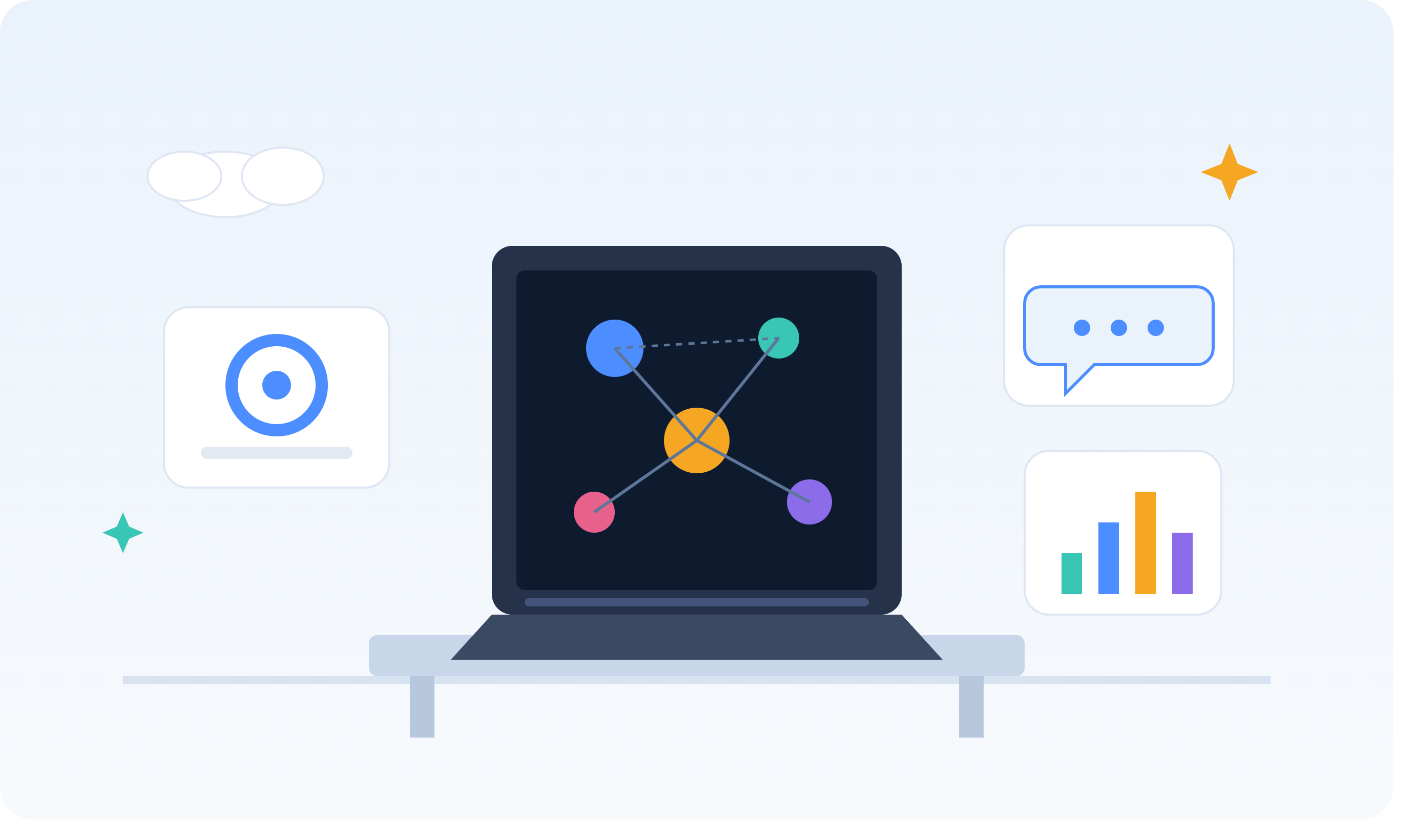
Building an AI-powered product used to mean stitching together separate tools for data storage, model training, testing, and deployment. That workflow is largely gone. Today, an AI development platform brings all of these pieces into one connected environment, which is why more teams — from solo developers to enterprise engineering groups — are moving their AI work onto a single platform instead of a patchwork of scripts and services.
This guide breaks down what an AI development platform actually does, the features worth paying attention to, how the major categories differ, and what to weigh before committing to one.
What Is an AI Development Platform?
An AI development platform is a software environment that gives developers and product teams the tools, infrastructure, and workflows needed to build, train, test, deploy, and monitor AI applications. Instead of manually configuring servers, GPUs, data pipelines, and monitoring dashboards separately, a platform packages these into one workspace with a shared interface.
Most platforms today fall into a few broad categories:
- Cloud-based enterprise ML platforms — full-scale environments for training and deploying custom machine learning models at scale, typically used by data science teams.
- AI-assisted coding tools and IDEs — platforms built around helping developers write, review, and ship code faster with AI support built into the editor.
- No-code and low-code AI builders — visual tools that let non-technical users assemble AI-powered apps or workflows using plain-language instructions instead of code.
- Model hosting and fine-tuning hubs — platforms focused on giving teams access to pretrained models that can be customized with their own data.
The line between these categories has blurred. Many platforms now offer a bit of everything, bundling model access, coding assistance, and deployment tools into one product.
Why Teams Are Adopting AI Development Platforms
Three factors are driving the shift toward all-in-one platforms:
- Speed. Pre-built SDKs, managed infrastructure, and ready-made model catalogs cut down the time between an idea and a working prototype.
- Lower technical barrier. No-code and low-code options mean teams without a dedicated ML engineering staff can still ship AI features.
- Consistency at scale. Once a model or workflow is built, platforms make it easier to move from a small prototype to a production system without rebuilding the pipeline from scratch.
That said, the ease of getting started can hide real complexity later. Enterprise-grade platforms often require specialized knowledge of cloud infrastructure, data governance, and security once a project grows beyond a proof of concept.
Key Features to Look For
Not every platform needs every feature, but a handful of capabilities separate genuinely useful platforms from ones that create more work than they save.
- Model flexibility — access to multiple model providers or the ability to bring your own model, rather than being locked into a single vendor.
- Integration support — pre-built connectors to common data sources, CRMs, databases, and third-party APIs.
- Managed infrastructure — automatic handling of compute scaling, so teams aren't manually provisioning GPUs.
- Monitoring and observability — dashboards that track model performance, costs, and errors after deployment, not just during training.
- Security and governance controls — role-based access, audit logs, and data handling policies suited for regulated industries.
- Transparent pricing — clear cost breakdowns across compute, storage, and API usage, since costs on these platforms can escalate quickly if usage isn't tracked.
A platform missing more than one or two of these will likely create friction rather than remove it, especially once a team moves past the experimentation stage.
Types of AI Development Platforms Compared
Enterprise cloud platforms (built around major cloud providers) tend to offer the deepest technical capability and the tightest integration with existing enterprise systems, identity management, and data sources. They're a strong fit for organizations already standardized on one cloud ecosystem, but they generally demand dedicated engineering expertise and can involve layered, harder-to-predict pricing.
AI coding assistants and IDE-integrated tools focus on developer productivity rather than full ML infrastructure. They plug into existing code editors and speed up day-to-day development work, making them a lighter-weight option for teams that want AI support without adopting an entirely new platform.
No-code AI app and workflow builders are aimed at business teams and non-engineers who need to automate processes or connect software tools without writing code. These trade some flexibility for accessibility, letting broader teams build without waiting on engineering resources.
Model hosting and fine-tuning hubs serve teams that want to customize existing models with their own data rather than train something from scratch. They're popular for natural language and computer vision projects where starting from a pretrained model saves significant time.
How to Choose the Right AI Development Platform
There's no single "best" platform — the right choice depends on the team's technical depth, budget, and what the AI feature is actually meant to do. A few practical questions help narrow it down:
- Does the team already have engineering resources for cloud infrastructure, or does it need a more managed, hands-off option?
- Will the AI feature need to scale to production traffic soon, or is this still an early prototype?
- Does the project need to connect with existing systems like a CRM, ERP, or internal database?
- How predictable does the pricing need to be, and is there a budget ceiling that matters?
- Is the priority speed of development, or long-term flexibility and control over the underlying models?
Testing a platform on a small, low-stakes project before committing is usually a safer path than adopting one organization-wide based on marketing claims alone. Free tiers and trial credits, which most major platforms offer, make this kind of pilot testing low-cost.
Frequently Asked Questions
Is an AI development platform the same as a machine learning platform?
Not exactly. Machine learning platforms are generally a subset of AI development platforms, focused specifically on training and deploying custom models. AI development platforms often cover a broader range, including AI-assisted coding, automation, and no-code app building.
Do I need coding experience to use an AI development platform?
It depends on the platform. No-code and low-code builders are designed for non-technical users, while enterprise ML platforms typically require programming and data science skills.
How much does an AI development platform cost?
Pricing varies widely, from free tiers for small projects to enterprise contracts based on compute usage, storage, and support level. Costs can climb quickly with heavy usage, so reviewing the pricing structure before scaling up matters.
Can small businesses use AI development platforms?
Yes. No-code AI builders and pay-as-you-go cloud platforms are built with smaller teams and startups in mind, letting them access the same underlying models as larger enterprises without a full engineering team.
Final Thoughts
An AI development platform is really a decision about how much control a team wants versus how much speed it needs. Enterprise cloud platforms offer depth and scalability at the cost of complexity. No-code builders offer speed and accessibility at the cost of flexibility. Most teams land somewhere in between, and the right pick usually comes down to matching the platform's strengths to the specific problem being solved, rather than choosing whichever one is trending.
- Goth Lifestyle
- Fashion & Style
- Music & Bands
- Art & Photography
- Creative Writing & Poetry
- Events & Scene
- Occult & Spirituality
- DIY & Tutorials
- Beauty & Self-Care
- Relationships & Dating
- Gaming & Media
- Tech & Gadgets
- Body Art & Piercings
- Underground Culture
- Spotlights & Interviews
- Travel & Places
- Lifestyle & Daily Life
- Fitness & Health
- Travel & Adventure
- Books & Literature
- Tech & Gaming
- Movies & TV
- Food & Drinks
- Humor & Memes
- Pets & Animals
- General Arts & Crafts

 English
 Arabic
 French
 Spanish
 Portuguese
 Deutsch
 Turkish
 Dutch
Dutch
 Russian
 Romaian
 Portuguese (Brazil)
 Greek
Greek