


Digital Printing on Fabric: A Complete Guide to Textile Printing
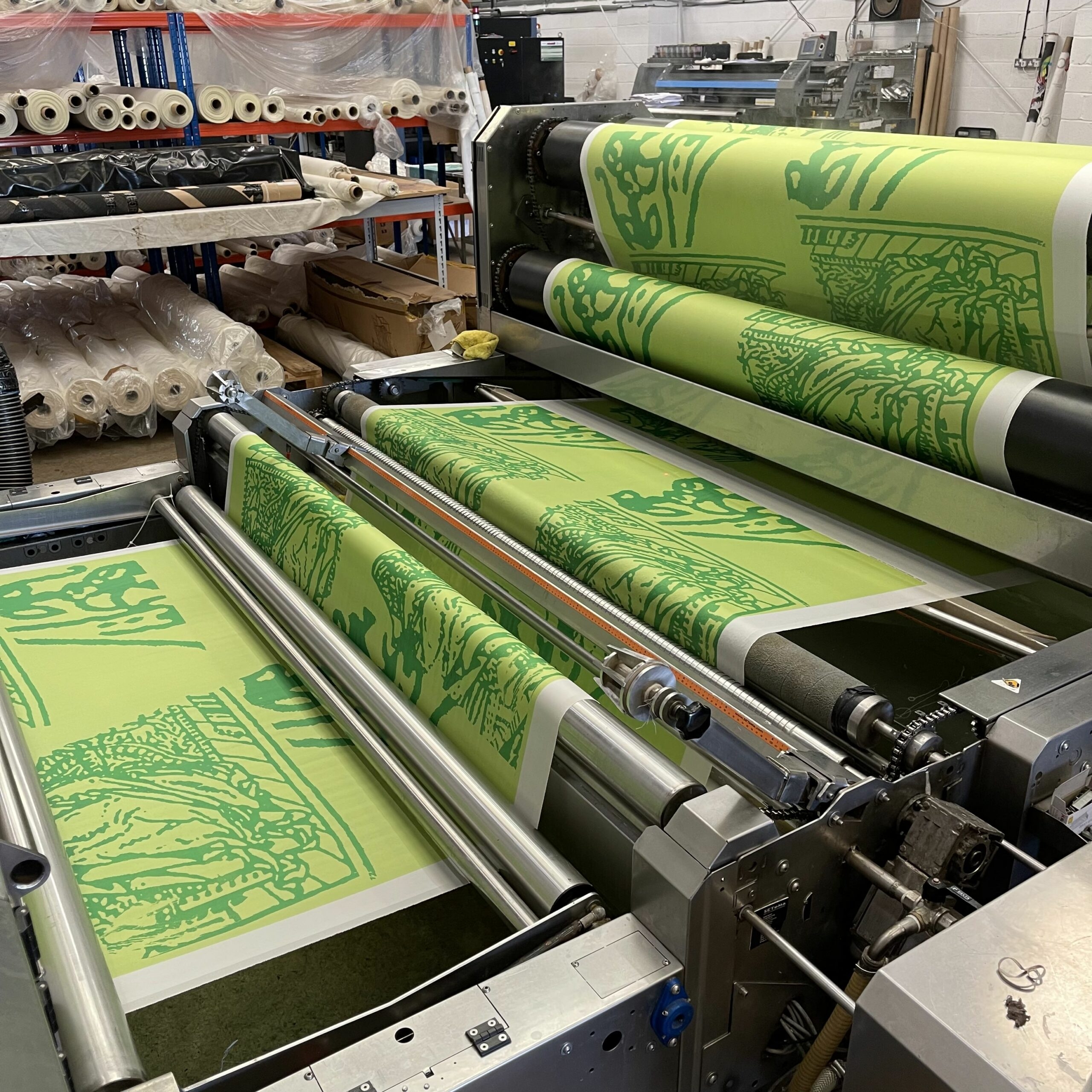
Digital printing on fabric has changed the textile industry by making fabric decoration faster, more precise, and highly customizable. Unlike conventional printing methods that depend on screens or rollers, digital printing uses advanced inkjet technology to transfer designs directly onto fabric. This process allows businesses to produce vibrant colors, detailed graphics, and unique patterns while reducing setup time and material waste.
Today, Digital printing on fabric is widely used in fashion, home décor, sportswear, advertising, and personalized products. Its ability to produce high-quality prints in both small and medium production runs has made it an attractive option for manufacturers and entrepreneurs alike. As consumers increasingly seek customized products and quick delivery, digital textile printing continues to gain popularity around the world.
What Is Digital Printing on Fabric?
Digital printing on fabric is a modern textile printing process that applies digital artwork directly onto fabric using specialized textile printers. Instead of creating individual screens for every color, the printer receives a digital file and reproduces the design with outstanding accuracy.
This technology supports detailed illustrations, photographic images, gradients, and complex patterns that would be difficult or expensive to create using traditional printing methods.
Because the printing process is controlled digitally, businesses can easily modify designs, personalize products, and print small quantities without increasing production costs.
How Digital Printing on Fabric Works
Although the equipment is sophisticated, the overall printing process follows a series of straightforward steps.
Artwork Preparation
Designers create high-resolution artwork using graphic design software. The better the quality of the digital file, the sharper the printed result.
Fabric Pretreatment
Natural fabrics such as cotton often require pretreatment before printing. This helps improve ink absorption, color intensity, and wash resistance.
Printing Process
The prepared fabric passes through a digital textile printer, which deposits microscopic ink droplets directly onto the material according to the digital design.
Heat Fixation
After printing, heat or steam permanently bonds the ink to the textile fibers. Proper fixation improves durability and colorfastness.
Finishing
The printed fabric may be washed, dried, pressed, and inspected before being cut and sewn into finished products.
Types of Digital Printing on Fabric
Different digital printing methods are suitable for different fabric types and applications.
Direct to Fabric Printing
This process prints directly onto rolls of fabric before they are converted into clothing, curtains, upholstery, or bedding.
Dye Sublimation Printing
Dye sublimation is primarily used on polyester fabrics. Heat transforms the dye into gas, allowing it to become part of the fabric fibers. This creates vibrant colors and long-lasting prints.
Direct to Garment Printing
Direct to Garment printing, commonly known as DTG, applies designs directly onto finished garments such as T-shirts and hoodies. It is ideal for customized clothing and print-on-demand businesses.
Pigment Printing
Pigment printing works well on cotton and blended fabrics. It uses relatively little water and is becoming increasingly popular for environmentally conscious textile production.
Fabrics Suitable for Digital Printing
Many fabrics can be digitally printed successfully when matched with compatible inks.
Popular choices include:
-
Cotton
-
Polyester
-
Silk
-
Linen
-
Rayon
-
Viscose
-
Canvas
-
Bamboo fabric
-
Fabric blends
The correct combination of fabric and ink plays a major role in achieving excellent print quality and long-term durability.
Benefits of Digital Printing on Fabric
High Print Quality
Digital printing produces sharp details, vivid colors, and smooth gradients. Even highly detailed artwork can be reproduced accurately.
Unlimited Design Options
Designers can use virtually unlimited colors and intricate graphics without increasing production complexity.
Faster Production
Since there are no screens or printing plates to prepare, production can begin immediately after artwork approval.
Cost Effective for Small Quantities
Traditional textile printing often becomes expensive for short production runs because of setup costs. Digital printing remains economical for both single items and small batches.
Environmentally Friendly
Many digital printing systems consume less water and fewer chemicals than conventional textile printing methods. Printing only the required quantity also helps reduce waste.
Product Customization
Every printed item can include different names, graphics, or patterns without slowing production. This makes digital printing ideal for personalized products.
Applications of Digital Printing on Fabric
Fashion Industry
Fashion brands use digital printing to create dresses, shirts, jackets, scarves, leggings, children's clothing, and designer collections featuring unique artwork.
Home Décor
Curtains, cushion covers, upholstery, bedding, tablecloths, and decorative textiles frequently feature digitally printed patterns designed for specific interiors.
Sportswear
Sports uniforms commonly include digitally printed logos, team names, player numbers, and sponsor branding that remain vibrant after repeated washing.
Promotional Products
Businesses use digitally printed fabrics for banners, flags, exhibition displays, branded table covers, tote bags, and corporate events.
Personalized Gifts
Custom blankets, pillows, quilts, fabric wall art, and photo textiles have become increasingly popular because digital printing makes personalized production affordable.
Practical Benefits and Key Insights
Digital textile printing provides numerous advantages for manufacturers, designers, retailers, and customers.
Small businesses can launch clothing brands without maintaining large inventories by adopting print-on-demand production. Designers can test new collections before committing to mass production, reducing financial risk.
Retailers benefit from shorter production cycles and greater flexibility, while customers receive customized products that match their individual preferences.
The technology also supports sustainable manufacturing by reducing excess inventory, minimizing waste, and improving production efficiency.
Common Challenges and Considerations
Equipment Investment
Industrial digital textile printers represent a significant investment. Many businesses choose to outsource production until demand increases.
Fabric Compatibility
Different fabrics require specific inks and pretreatment methods. Choosing the wrong combination can affect color quality and durability.
Color Management
Fabric composition and printer calibration may influence printed colors. Professional color profiling helps maintain consistency.
Print Durability
Proper pretreatment, high-quality textile inks, and suitable fixation methods are essential for producing durable printed fabrics.
Large Production Runs
Although digital printing performs exceptionally well for customized and medium-volume production, traditional rotary printing may still be more economical for extremely high-volume manufacturing.
Frequently Asked Questions
1. What is digital printing on fabric?
Digital printing on fabric is a textile printing process that transfers digital artwork directly onto fabric using specialized inkjet printers without traditional printing screens.
2. Which fabrics can be digitally printed?
Cotton, polyester, silk, linen, rayon, viscose, canvas, bamboo fabric, and many blended textiles are compatible with digital textile printing when paired with suitable inks.
3. Is digital printing suitable for small businesses?
Yes. Its low setup costs, fast production, and ability to create customized products make digital printing an excellent option for startups and print-on-demand businesses.
4. Are digitally printed fabrics durable?
Yes. Proper fabric preparation, quality inks, and correct heat fixation produce prints that resist fading and repeated washing.
5. Why is digital printing considered environmentally friendly?
Many digital printing systems use less water, fewer chemicals, and generate less waste than conventional textile printing methods, making them a more sustainable manufacturing solution.
Conclusion
Digital printing on fabric has become a leading technology in modern textile manufacturing because it combines speed, flexibility, and exceptional print quality. It enables businesses to create customized products efficiently while reducing production waste and simplifying manufacturing. Whether producing fashion apparel, home textiles, sportswear, or promotional materials, digital printing delivers consistent, high-quality results across a wide range of applications.
As digital textile technology continues to advance, manufacturers can expect improved efficiency, greater sustainability, and even more creative possibilities. Businesses that adopt digital printing are well positioned to meet changing customer expectations, expand product offerings, and remain competitive in an increasingly personalized marketplace.
- Goth Lifestyle
- Fashion & Style
- Music & Bands
- Art & Photography
- Creative Writing & Poetry
- Events & Scene
- Occult & Spirituality
- DIY & Tutorials
- Beauty & Self-Care
- Relationships & Dating
- Gaming & Media
- Tech & Gadgets
- Body Art & Piercings
- Underground Culture
- Spotlights & Interviews
- Travel & Places
- Lifestyle & Daily Life
- Fitness & Health
- Travel & Adventure
- Books & Literature
- Tech & Gaming
- Movies & TV
- Food & Drinks
- Humor & Memes
- Pets & Animals
- General Arts & Crafts
 Turkish
 English
 Arabic
 French
 Spanish
 Portuguese
 Deutsch
 Dutch
Dutch
 Italiano
 Russian
 Romaian
 Portuguese (Brazil)
 Greek
Greek