


Common Plastic Thermoforming Materials and How to Choose the Right One
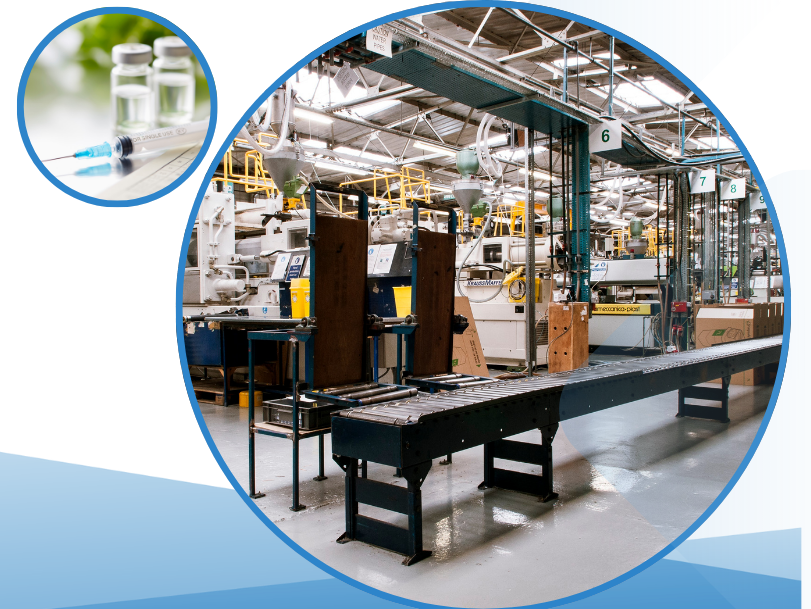
Plastic thermoforming has become one of the most dependable manufacturing methods for producing durable, lightweight, and cost-effective plastic components. From food packaging and medical trays to automotive panels and retail displays, thermoforming is used across countless industries because it offers flexibility in design and efficient production.
However, the success of any thermoforming project depends on one critical decision: selecting the right material. Every plastic sheet has different properties, including strength, flexibility, heat resistance, transparency, and chemical resistance. Choosing the wrong material can lead to poor product performance, increased costs, and unnecessary production challenges.
Whether you're designing a new product or optimizing an existing one, understanding the most common plastic thermoforming materials can help you make better manufacturing decisions. In this guide, we'll explore the leading materials used in thermoforming, their advantages, typical applications, and the key factors to consider before selecting one.
What Is Plastic Thermoforming?
Plastic thermoforming is a manufacturing process in which a flat plastic sheet is heated until it becomes flexible. The softened sheet is then formed over or into a mold using vacuum pressure, air pressure, or mechanical force. Once cooled, the plastic retains the shape of the mold and is trimmed into the final product.
Compared to other manufacturing methods, plastic thermoforming offers several benefits:
-
Lower tooling costs
-
Faster product development
-
Cost-effective production for medium and large volumes
-
Excellent flexibility for large-sized parts
-
Wide range of compatible plastic materials
These advantages have made thermoforming a preferred solution for industries requiring both functional performance and attractive product designs.
Why Material Selection Matters
The plastic sheet determines far more than the appearance of a finished product. Material selection affects:
-
Mechanical strength
-
Weight
-
Durability
-
Impact resistance
-
UV protection
-
Food safety compliance
-
Chemical resistance
-
Manufacturing cost
-
Product lifespan
A material suitable for food packaging may not perform well in automotive applications, while plastics designed for outdoor use must withstand prolonged sunlight and changing weather conditions.
Choosing the appropriate material helps manufacturers achieve consistent quality while avoiding unnecessary production costs.
Common Plastic Thermoforming Materials
1. ABS (Acrylonitrile Butadiene Styrene)
ABS is one of the most widely used materials in thermoforming due to its excellent balance of strength and affordability.
Advantages
-
High impact resistance
-
Easy to machine
-
Good surface finish
-
Durable and rigid
-
Easy to paint and decorate
Applications
-
Automotive interior panels
-
Equipment housings
-
Industrial covers
-
Machine guards
-
Consumer products
ABS performs particularly well where strength and appearance are equally important.
2. High Impact Polystyrene (HIPS)
HIPS is known for being lightweight, economical, and easy to thermoform.
Benefits
-
Excellent formability
-
Low material cost
-
Smooth surface
-
Good printability
-
Lightweight
Common Uses
-
Disposable food packaging
-
Point-of-sale displays
-
Refrigeration liners
-
Packaging trays
-
Retail products
Because of its affordability, HIPS is often selected for high-volume production.
3. PET (Polyethylene Terephthalate)
PET has become increasingly popular because of its clarity and food-safe properties.
Advantages
-
Excellent transparency
-
Strong moisture resistance
-
Recyclable
-
Food-contact approved
-
Good strength
Applications
-
Bakery containers
-
Fresh produce packaging
-
Medical trays
-
Blister packaging
-
Beverage packaging
PET offers an attractive appearance while maintaining excellent product protection.
4. PETG
PETG is a modified version of PET that provides improved toughness and easier processing.
Benefits
-
Superior clarity
-
Excellent impact resistance
-
Easy fabrication
-
Chemical resistance
-
FDA compliance
Industries
-
Medical equipment
-
Protective shields
-
Retail displays
-
Pharmaceutical packaging
-
Electronics packaging
PETG is frequently selected when transparency and durability are both essential.
5. Polycarbonate (PC)
Polycarbonate is well known for exceptional strength.
Advantages
-
Outstanding impact resistance
-
High temperature resistance
-
Optical clarity
-
Excellent durability
-
Long service life
Common Products
-
Machine guards
-
Safety equipment
-
Aircraft components
-
Industrial covers
-
Medical devices
Although more expensive than many alternatives, polycarbonate provides unmatched performance in demanding environments.
6. PVC (Polyvinyl Chloride)
PVC remains a versatile thermoforming material with strong chemical resistance.
Benefits
-
Flame resistance
-
Chemical resistance
-
Good dimensional stability
-
Affordable pricing
-
Easy fabrication
Applications
-
Medical packaging
-
Industrial trays
-
Signage
-
Protective covers
-
Electrical products
PVC continues to serve industries requiring durability and chemical stability.
7. HDPE (High-Density Polyethylene)
HDPE offers excellent toughness and moisture resistance.
Advantages
-
Lightweight
-
Excellent chemical resistance
-
Food safe
-
Moisture resistant
-
Highly durable
Applications
-
Food containers
-
Storage bins
-
Agricultural products
-
Industrial packaging
-
Water tanks
Its durability makes HDPE suitable for both indoor and outdoor applications.
8. Polypropylene (PP)
Polypropylene is widely appreciated for its flexibility and fatigue resistance.
Benefits
-
Lightweight
-
Excellent chemical resistance
-
Heat resistant
-
Living hinge capability
-
Affordable
Common Products
-
Food containers
-
Medical packaging
-
Automotive components
-
Consumer goods
-
Industrial trays
PP is often selected where repeated bending or flexing is expected.
Factors to Consider When Choosing a Thermoforming Material
Selecting the right plastic requires evaluating both product requirements and manufacturing conditions.
Product Function
Start by identifying how the finished product will be used.
Ask questions such as:
-
Will it carry heavy loads?
-
Is impact resistance required?
-
Does it need flexibility?
-
Should it be transparent?
The answers help narrow the list of suitable materials.
Temperature Requirements
Some applications involve high heat, while others require cold storage.
For example:
-
Food containers may experience microwave heating.
-
Automotive parts face elevated temperatures.
-
Medical products undergo sterilization.
Choose a material that maintains performance under expected temperature conditions.
Chemical Exposure
Industrial environments often expose products to oils, cleaning chemicals, or solvents.
Materials like HDPE, PP, and PVC provide excellent chemical resistance, making them ideal for demanding applications.
UV Resistance
Outdoor products require protection against sunlight.
UV-resistant grades help prevent:
-
Cracking
-
Fading
-
Brittleness
-
Material degradation
This is particularly important for agricultural equipment, outdoor signage, and transportation components.
Appearance
Visual appeal matters in consumer-facing products.
Consider whether your application requires:
-
High gloss
-
Matte finish
-
Transparency
-
Custom colors
-
Textured surfaces
PET and PETG provide excellent clarity, while ABS offers attractive painted finishes.
Regulatory Compliance
Certain industries must meet strict regulations.
Examples include:
-
Food packaging
-
Medical equipment
-
Pharmaceutical products
-
Children's products
Always verify that the selected material complies with applicable industry standards before production begins.
Manufacturing Cost
Budget remains an important consideration.
Material costs vary depending on:
-
Resin type
-
Thickness
-
Availability
-
Performance characteristics
Sometimes a slightly more expensive material delivers greater durability, reducing replacement costs over the product's lifetime.
Thermoforming vs. Other Manufacturing Processes
Businesses often compare plastic thermoforming with injection molding before starting production.
Thermoforming generally offers:
-
Lower tooling investment
-
Faster prototype development
-
Large-part manufacturing
-
Shorter production lead times
On the other hand, a plastic injection molding factory is typically the better choice for producing highly detailed components in extremely high volumes. Injection molding allows for complex geometries and tight tolerances but usually requires a higher upfront investment in tooling.
Many manufacturers use both technologies depending on the product's design, production quantity, and performance requirements.
Working with Experienced Plastic Manufacturers
Choosing the right material is only part of a successful project. Working with knowledgeable manufacturing partners helps ensure consistent quality and efficient production.
Many plastic manufacturers in Thailand have developed strong expertise in thermoforming and offer services that include:
-
Material consultation
-
Product design support
-
Prototype development
-
Tooling solutions
-
High-volume production
-
Quality inspection
-
Custom finishing
Their experience across industries allows businesses to select materials that balance performance, cost, and manufacturability.
Tips for Making the Right Material Choice
To maximize product performance, consider these practical recommendations:
-
Clearly define the product's intended use before selecting a material.
-
Evaluate environmental conditions such as heat, moisture, and UV exposure.
-
Test prototypes using different materials whenever possible.
-
Consider long-term durability rather than focusing only on initial cost.
-
Ensure regulatory compliance for food, medical, or industrial applications.
-
Work closely with material suppliers and manufacturing experts throughout product development.
Taking these steps early in the design process can prevent costly revisions later.
Emerging Trends in Thermoforming Materials
The thermoforming industry continues to evolve as manufacturers seek more sustainable and high-performance solutions.
Some of the latest trends include:
Recycled Plastic Materials
Many manufacturers now incorporate recycled PET and other recyclable plastics into production, helping reduce waste while maintaining product quality.
Bio-Based Plastics
Renewable materials derived from plant-based resources are becoming more common in packaging and consumer products.
Lightweight Engineering Plastics
New formulations offer improved strength while reducing overall product weight, benefiting industries such as automotive and transportation.
Advanced Surface Finishes
Innovative coatings and textured materials improve scratch resistance, aesthetics, and product durability.
As sustainability and performance become increasingly important, material innovation will continue to shape the future of thermoforming.
Conclusion
Material selection is one of the most important decisions in any thermoforming project. Every plastic offers unique advantages, and the best choice depends on the product's function, environmental conditions, regulatory requirements, and budget.
From durable ABS and impact-resistant polycarbonate to recyclable PET and versatile polypropylene, today's material options allow manufacturers to create products that meet a wide variety of performance expectations. By understanding the characteristics of each material and collaborating with experienced plastic manufacturers in Thailand, businesses can achieve reliable, cost-effective production while maintaining high product quality.
Whether your project requires custom packaging, industrial components, or consumer products, choosing the right plastic thermoforming material is the foundation of long-lasting performance. And when production demands intricate designs or very high volumes, partnering with a trusted plastic injection molding factory can complement thermoforming capabilities, ensuring the most efficient manufacturing solution for every application.
- Goth Lifestyle
- Fashion & Style
- Music & Bands
- Art & Photography
- Creative Writing & Poetry
- Events & Scene
- Occult & Spirituality
- DIY & Tutorials
- Beauty & Self-Care
- Relationships & Dating
- Gaming & Media
- Tech & Gadgets
- Body Art & Piercings
- Underground Culture
- Spotlights & Interviews
- Travel & Places
- Lifestyle & Daily Life
- Fitness & Health
- Travel & Adventure
- Books & Literature
- Tech & Gaming
- Movies & TV
- Food & Drinks
- Humor & Memes
- Pets & Animals
- General Arts & Crafts
 Turkish
 English
 Arabic
 French
 Spanish
 Portuguese
 Deutsch
 Dutch
Dutch
 Italiano
 Russian
 Romaian
 Portuguese (Brazil)
 Greek
Greek