Web Analytics
  • Stonewall Jackson trusted very few men. He demanded absolute discipline, unquestioning obedience, and relentless aggression. But there was one general whose brilliance he admired—and whose behavior he could never fully forgive. Their partnership helped win battles, yet their personal relationship remained one of the Confederacy’s most complicated rivalries.


    Time Period: 1862–1863
    Conflict: American Civil War
    Key Figures: Stonewall Jackson and A.P. Hill


    The image portrays two of the Confederacy's most famous commanders: Lieutenant General Thomas “Stonewall” Jackson and Major General Ambrose Powell (A.P.) Hill. Together they helped create some of the most remarkable Confederate victories of the Civil War. Yet behind the battlefield success lay a relationship filled with tension, arguments, and lingering resentment.


    When the Civil War intensified in 1862, A.P. Hill emerged as one of the Confederacy's most talented combat commanders. Leading his famous Light Division, Hill developed a reputation for aggressive attacks, rapid movement, and personal courage under fire.


    Stonewall Jackson immediately recognized Hill's military ability.


    In battle, Hill was often exactly the type of commander Jackson needed. He moved quickly, fought aggressively, and inspired his troops. During the Shenandoah Valley Campaign of 1862, Jackson's lightning-fast victories depended heavily on officers capable of executing difficult orders under extreme pressure.


    However, the two men possessed very different personalities.


    Jackson was intensely private, deeply religious, and demanded strict obedience from subordinates. Orders were expected to be followed without question. Hill, by contrast, was independent, outspoken, and often challenged decisions he believed were mistaken.


    Their disagreements soon became legendary.


    Throughout the Valley Campaign, Jackson and Hill repeatedly argued over marching orders, troop movements, and battlefield decisions. On several occasions Jackson accused Hill of moving too slowly or failing to carry out instructions precisely as ordered. Hill, meanwhile, believed Jackson sometimes issued vague or impractical commands.


    The tension reached a breaking point during the Seven Days Battles outside Richmond in June 1862.


    During one heated dispute, Jackson became so frustrated that he temporarily placed Hill under arrest. Although the arrest did not last long, it revealed just how strained their relationship had become. Few Confederate officers could imagine openly clashing with the feared Stonewall Jackson, yet Hill repeatedly did so.


    Despite these personal conflicts, Jackson never doubted Hill's fighting ability.


    In fact, some of the Confederacy's greatest successes occurred because Hill's division arrived at critical moments. At Antietam in September 1862, Hill's troops completed a grueling march and arrived just in time to prevent the collapse of Lee's right flank. Their counterattack helped save the Confederate army from potential disaster.


    Even Jackson reportedly acknowledged the value of Hill's battlefield leadership.


    Yet trust between the two men never fully developed.


    Jackson admired Hill's courage but disliked his independence. Hill respected Jackson's military genius but resented what he considered unfair criticism and excessive secrecy. Their relationship became a constant balance between professional respect and personal frustration.


    Everything changed in May 1863.


    After the Confederate victory at Chancellorsville, Stonewall Jackson was accidentally wounded by Confederate soldiers and later died from complications. The Confederacy lost one of its greatest commanders.


    Following Jackson's death, A.P. Hill eventually rose to command a corps in Robert E. Lee's Army of Northern Virginia. He continued serving with distinction until he was killed near Petersburg in April 1865, just days before Lee's surrender.


    Historians still debate exactly what Jackson truly thought of A.P. Hill. What is clear is that Jackson considered Hill difficult, stubborn, and occasionally infuriating. Yet he also knew that Hill was one of the most capable combat commanders in the Confederate army.


    In war, mutual admiration does not always create friendship. Sometimes great victories are achieved by men who respected each other's abilities while never fully trusting one another
    Stonewall Jackson trusted very few men. He demanded absolute discipline, unquestioning obedience, and relentless aggression. But there was one general whose brilliance he admired—and whose behavior he could never fully forgive. Their partnership helped win battles, yet their personal relationship remained one of the Confederacy’s most complicated rivalries. Time Period: 1862–1863 Conflict: American Civil War Key Figures: Stonewall Jackson and A.P. Hill The image portrays two of the Confederacy's most famous commanders: Lieutenant General Thomas “Stonewall” Jackson and Major General Ambrose Powell (A.P.) Hill. Together they helped create some of the most remarkable Confederate victories of the Civil War. Yet behind the battlefield success lay a relationship filled with tension, arguments, and lingering resentment. When the Civil War intensified in 1862, A.P. Hill emerged as one of the Confederacy's most talented combat commanders. Leading his famous Light Division, Hill developed a reputation for aggressive attacks, rapid movement, and personal courage under fire. Stonewall Jackson immediately recognized Hill's military ability. In battle, Hill was often exactly the type of commander Jackson needed. He moved quickly, fought aggressively, and inspired his troops. During the Shenandoah Valley Campaign of 1862, Jackson's lightning-fast victories depended heavily on officers capable of executing difficult orders under extreme pressure. However, the two men possessed very different personalities. Jackson was intensely private, deeply religious, and demanded strict obedience from subordinates. Orders were expected to be followed without question. Hill, by contrast, was independent, outspoken, and often challenged decisions he believed were mistaken. Their disagreements soon became legendary. Throughout the Valley Campaign, Jackson and Hill repeatedly argued over marching orders, troop movements, and battlefield decisions. On several occasions Jackson accused Hill of moving too slowly or failing to carry out instructions precisely as ordered. Hill, meanwhile, believed Jackson sometimes issued vague or impractical commands. The tension reached a breaking point during the Seven Days Battles outside Richmond in June 1862. During one heated dispute, Jackson became so frustrated that he temporarily placed Hill under arrest. Although the arrest did not last long, it revealed just how strained their relationship had become. Few Confederate officers could imagine openly clashing with the feared Stonewall Jackson, yet Hill repeatedly did so. Despite these personal conflicts, Jackson never doubted Hill's fighting ability. In fact, some of the Confederacy's greatest successes occurred because Hill's division arrived at critical moments. At Antietam in September 1862, Hill's troops completed a grueling march and arrived just in time to prevent the collapse of Lee's right flank. Their counterattack helped save the Confederate army from potential disaster. Even Jackson reportedly acknowledged the value of Hill's battlefield leadership. Yet trust between the two men never fully developed. Jackson admired Hill's courage but disliked his independence. Hill respected Jackson's military genius but resented what he considered unfair criticism and excessive secrecy. Their relationship became a constant balance between professional respect and personal frustration. Everything changed in May 1863. After the Confederate victory at Chancellorsville, Stonewall Jackson was accidentally wounded by Confederate soldiers and later died from complications. The Confederacy lost one of its greatest commanders. Following Jackson's death, A.P. Hill eventually rose to command a corps in Robert E. Lee's Army of Northern Virginia. He continued serving with distinction until he was killed near Petersburg in April 1865, just days before Lee's surrender. Historians still debate exactly what Jackson truly thought of A.P. Hill. What is clear is that Jackson considered Hill difficult, stubborn, and occasionally infuriating. Yet he also knew that Hill was one of the most capable combat commanders in the Confederate army. In war, mutual admiration does not always create friendship. Sometimes great victories are achieved by men who respected each other's abilities while never fully trusting one another
    0 Commenti 0 condivisioni 2K Views
  • UConn /Duke game. Personifies march madness.
    Game win from behind at the literal buzzer.
    This is the way it should be.
    Edge of the seat drama/thriller
    UConn /Duke game. Personifies march madness. Game win from behind at the literal buzzer. This is the way it should be. Edge of the seat drama/thriller
    0 Commenti 0 condivisioni 2K Views
  • https://youtu.be/S_MijiGiQNI?si=EAUePf1A3dG6JhmO

    Going to see these guys and Bad Omens in march.
    https://youtu.be/S_MijiGiQNI?si=EAUePf1A3dG6JhmO Going to see these guys and Bad Omens in march.
    Dark Love
    1
    0 Commenti 0 condivisioni 1K Views
  • UK police are discusting; the march that happened Saturday they tried to stop the march going down its route so it would bump into a counter protest; the march simply force its way through, then the police turned a blind eye when counter protesters reached the Unite the Kingdom March in hopes it would lead to a riot.
    UK police are discusting; the march that happened Saturday they tried to stop the march going down its route so it would bump into a counter protest; the march simply force its way through, then the police turned a blind eye when counter protesters reached the Unite the Kingdom March in hopes it would lead to a riot.
    2 Commenti 0 condivisioni 1K Views
  • Nothing is worse for a highly intelligent and gifted person to be under-challenged and underwhelmed....

    Today, I came home from work crying because I realised how underchallenged and boring my work currently is. My expertise is currently not being used because customer projects come in slow and don't get to the downstream processing/purification part (I'm a specialist for protein pruification). I don't get many other opportunities to show my skills and knowledge and only do some minor backup tasks like writing working instructions...Nothing about my work currenly feels rewaring and chellengeing. I am a scientist, I love the try and error and the challenge! I thrive in that. I literally work best with stress and being overloaded with work than with being underwhelmed...
    On top of it I'm gettin really bad imposter syndrome because of not being able to show my expertise while my colleagues currenlty thrive and get ever opportunity to show their knowledge and expert fields. We got a new teamlead in march and so far I feel like I could not show off/prove my skille and knowledge to him while the others could. I feel like I'm standing in the shadows sometimes even being actively pushed back into them. Like a tool put in a shelf not neede for now collecting dust.
    It's incredibly frustrating and deressing for me because I am a scientist by heart I love my profession...

    Now my overthinking brain gets even to the point where I'm asking myself if they are boring me out on purpose, so I leave the company on my own accord and they don't have to fire me, because they can't without a reason....
    I'm more and more thinking of actually looking for a different posititon... Maybe I'll apply for a pHD after all...
    Nothing is worse for a highly intelligent and gifted person to be under-challenged and underwhelmed.... Today, I came home from work crying because I realised how underchallenged and boring my work currently is. My expertise is currently not being used because customer projects come in slow and don't get to the downstream processing/purification part (I'm a specialist for protein pruification). I don't get many other opportunities to show my skills and knowledge and only do some minor backup tasks like writing working instructions...Nothing about my work currenly feels rewaring and chellengeing. I am a scientist, I love the try and error and the challenge! I thrive in that. I literally work best with stress and being overloaded with work than with being underwhelmed... On top of it I'm gettin really bad imposter syndrome because of not being able to show my expertise while my colleagues currenlty thrive and get ever opportunity to show their knowledge and expert fields. We got a new teamlead in march and so far I feel like I could not show off/prove my skille and knowledge to him while the others could. I feel like I'm standing in the shadows sometimes even being actively pushed back into them. Like a tool put in a shelf not neede for now collecting dust. It's incredibly frustrating and deressing for me because I am a scientist by heart I love my profession... Now my overthinking brain gets even to the point where I'm asking myself if they are boring me out on purpose, so I leave the company on my own accord and they don't have to fire me, because they can't without a reason.... I'm more and more thinking of actually looking for a different posititon... Maybe I'll apply for a pHD after all...
    Dark Love
    I'm Dead
    2
    3 Commenti 0 condivisioni 6K Views
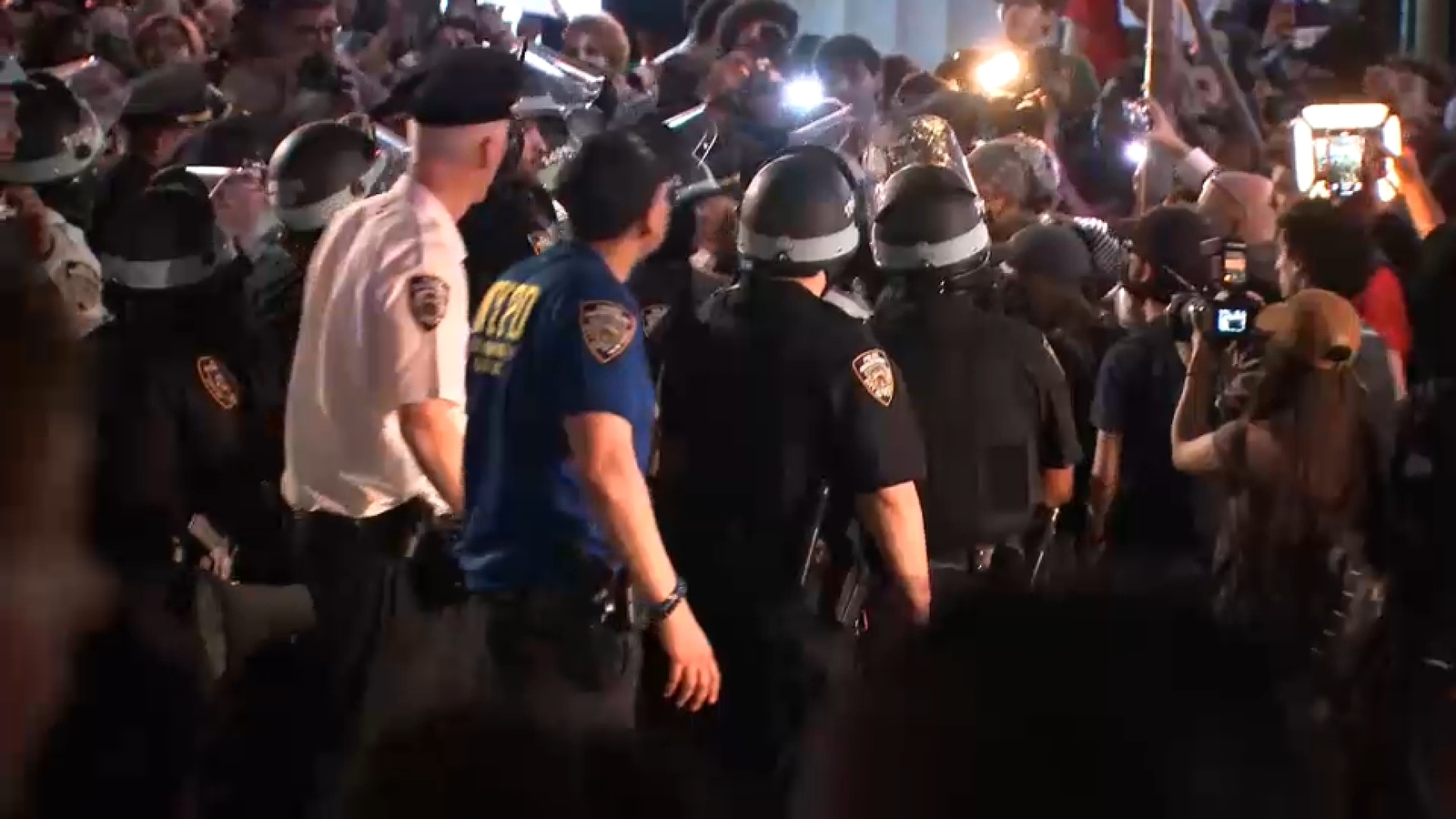
  • I'm not keen on the heavy handed tactics this administration uses in dealing with illegals, but violence and civil unrest will do nothing to win support. The far-left hive mind has now spread to NYC. Well funded and filled with agitators, no doubt.

    https://abc7ny.com/post/80-protesters-arrested-demonstrators-marched-lower-manhattan-amid-trump-immigration-crackdown/16720891/
    I'm not keen on the heavy handed tactics this administration uses in dealing with illegals, but violence and civil unrest will do nothing to win support. The far-left hive mind has now spread to NYC. Well funded and filled with agitators, no doubt. https://abc7ny.com/post/80-protesters-arrested-demonstrators-marched-lower-manhattan-amid-trump-immigration-crackdown/16720891/
    ABC7NY.COM
    More than 80 arrested as protesters march through Lower Manhattan over Trump's immigration policies
    More than 80 people have been arrested as demonstrators took over Foley Square and marched through Lower Manhattan Tuesday evening, all in protest over the Trump administration's immigration crackdown.
    4 Commenti 0 condivisioni 4K Views
  • Watching NCAA March Madness and it's amazing how many comments there are about officiating when a team loses. So far, the refs are undefeated while their team is out and going home for the year.
    Watching NCAA March Madness and it's amazing how many comments there are about officiating when a team loses. So far, the refs are undefeated while their team is out and going home for the year.
    Dark Love
    Goth Vibes
    2
    0 Commenti 0 condivisioni 1K Views
  • Beware when we march https://www.youtube.com/watch?v=n78UwaUEpk8
    Beware when we march https://www.youtube.com/watch?v=n78UwaUEpk8
    Dark Love
    Goth Vibes
    4
    1 Commenti 0 condivisioni 1K Views
  • #temperature #march #hot #heatwaves #record #climate #climate_crisis
    #temperature #march #hot #heatwaves #record #climate #climate_crisis
    1 Commenti 0 condivisioni 5K Views
  • Marching towards easter https://www.youtube.com/watch?v=QxbAU6BTxmo
    Marching towards easter https://www.youtube.com/watch?v=QxbAU6BTxmo
    Dark Love
    1
    0 Commenti 0 condivisioni 1K Views
Pagine in Evidenza
Sponsorizzato
Sponsorizzato
HeyFreaks.com https://heyfreaks.com