

Revitalise Dull Skin with Chemical Peel Glasgow for a Brighter Complexion

Healthy looking skin often reflects consistent care, but factors such as environmental exposure, ageing, sun damage and accumulated dead skin cells can gradually affect its appearance. Dullness, uneven texture and changes in complexion may become more noticeable over time. For individuals exploring ways to improve skin radiance, chemical peel glasgow is a commonly searched treatment option. This procedure offers a controlled approach to exfoliation, helping remove surface buildup and encourage fresher looking skin. Understanding its benefits and limitations supports informed decisions.
Chemical peels are professional skin treatments that use carefully selected chemical solutions to exfoliate the outer layers of the skin. Depending on the formulation and strength, a peel may work at the surface or reach deeper layers. The process encourages the removal of damaged skin cells and supports the appearance of smoother, brighter skin. Different formulations address different concerns, including dullness, uneven pigmentation, mild acne marks and rough texture. A suitable treatment should always be selected following an assessment of skin condition and individual requirements.
Why Skin Can Become Dull Over Time
Skin naturally renews itself, but the process can become less efficient with age. Dead cells may accumulate on the surface, making the complexion appear tired or uneven. Sun exposure, pollution, dehydration and lifestyle habits can also influence skin appearance. Some individuals experience dullness alongside enlarged pores, rough patches or mild discolouration. These concerns may require different approaches depending on their underlying causes. A professional consultation helps identify whether exfoliation is appropriate and whether a chemical peel can address the specific skin concerns.
How Chemical Peels Help Improve Skin Appearance
One of the main purposes of a chemical peel is to remove accumulated dead skin cells and encourage a smoother surface. By loosening the connections between older cells, the solution supports controlled exfoliation. Once the treated skin begins to recover, the complexion may appear fresher and more refined. Depending on the peel type, improvements may include a more even looking skin tone, reduced surface roughness and enhanced radiance. Results vary according to the formulation, treatment depth, skin condition and consistency of recommended aftercare.
Different Types of Chemical Peels
Chemical peels are generally classified according to how deeply they exfoliate the skin. Superficial peels target the outermost layer and are commonly considered for mild dullness, uneven texture and minor complexion concerns. Medium depth peels reach further into the skin and may be considered for more noticeable pigmentation or certain lines. Deep peels involve more intensive treatment and require careful medical assessment. The appropriate option depends on the individual's skin type, sensitivity, medical history and expectations rather than selecting a stronger treatment automatically.
Common Skin Concerns Addressed by Chemical Peels
Dullness is one of several concerns that may lead individuals to consider professional exfoliation. Uneven skin tone, mild pigmentation, superficial acne marks and rough texture can also influence treatment decisions. Certain peel formulations may help improve the appearance of these concerns by removing damaged surface cells and supporting skin renewal. However, not every condition responds in the same way. Deep scars, active inflammatory skin conditions and significant pigmentation may require alternative or additional approaches. A practitioner should explain realistic outcomes before treatment begins.
Supporting a More Even Complexion
Pigmentation can develop through sun exposure, hormonal changes, inflammation and other factors. Some chemical peel formulations may help improve superficial discolouration, although deeper pigmentation can be more difficult to address. Individuals experiencing persistent uneven tone may benefit from exploring pigmentation treatment in Glasgow as part of a professionally guided skin care plan. An assessment can help distinguish between different pigmentation concerns and establish whether exfoliation is suitable. Consistent sun protection remains important for maintaining skin health and reducing the likelihood of further discolouration.
What Happens During a Chemical Peel Appointment?
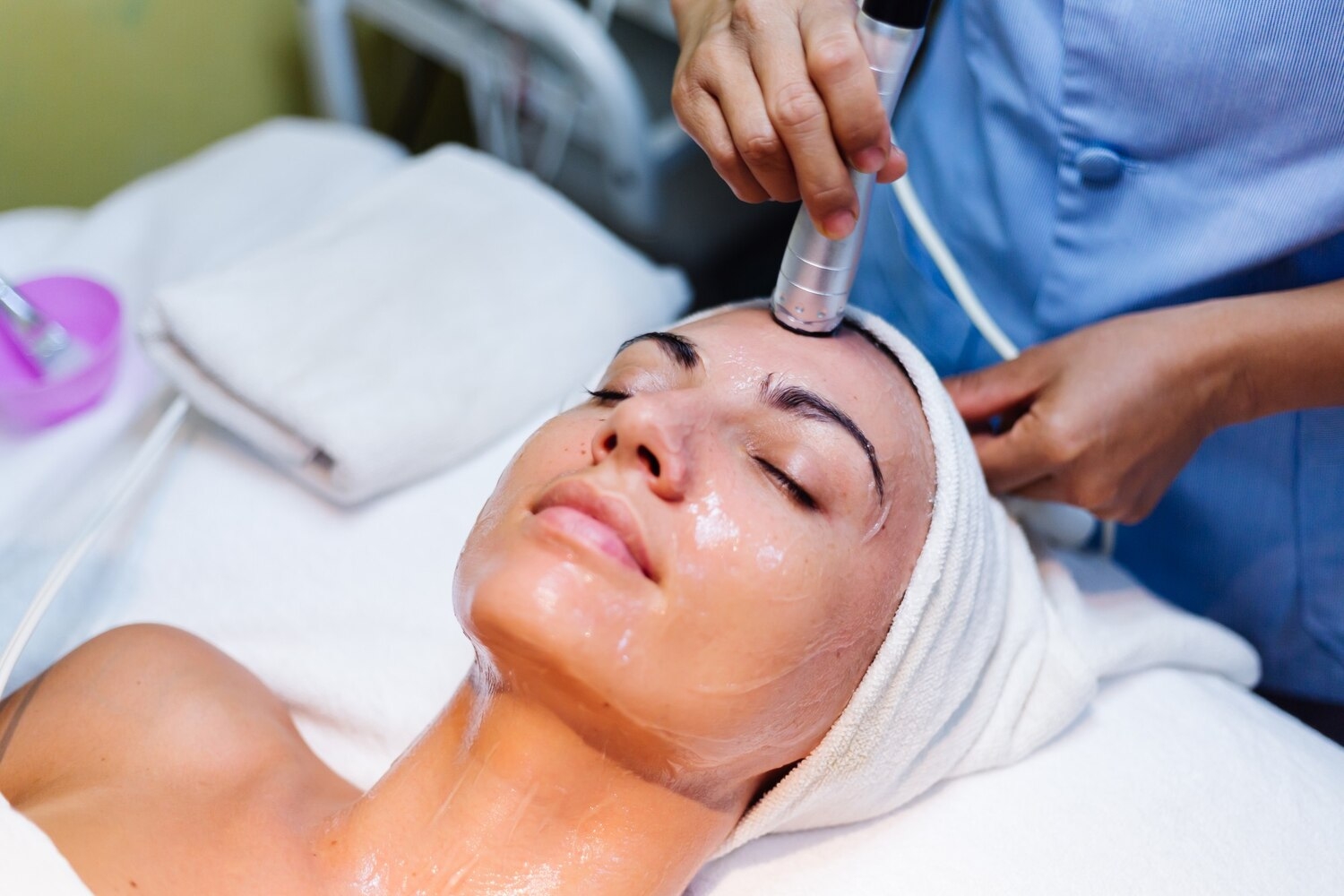
A chemical peel appointment generally begins with a consultation and skin assessment. The practitioner reviews the individual's concerns, skin sensitivity, medical history and previous treatments before recommending a suitable formulation. The skin is usually cleansed to remove makeup, oil and surface impurities. The selected solution is then applied carefully for an appropriate period before being neutralised or removed, depending on the product used. Some individuals experience temporary tingling, warmth or mild stinging during application. The procedure and appointment length depend on the peel type.
Preparing the Skin Before Treatment
Preparation helps ensure that the chosen treatment is appropriate and that the skin is in a suitable condition. Individuals may be advised to avoid certain exfoliating products, waxing or other procedures before their appointment. Information about prescription skincare, previous reactions, allergies and current skin concerns should be shared during consultation. Recent sun exposure and active irritation may influence whether treatment should proceed. Following professional preparation instructions can help reduce avoidable irritation and support a more predictable recovery process after the procedure.
Recovery and Aftercare Following a Chemical Peel
Recovery varies according to the strength and depth of the peel. Following a superficial treatment, mild redness, dryness or sensitivity may occur temporarily. Medium depth procedures can involve more noticeable peeling and require a longer recovery period. Patients should avoid picking or pulling at flaking skin because this can increase irritation and the risk of marks. Gentle cleansing, suitable moisturising and regular sun protection are important parts of aftercare. The practitioner should provide individual instructions and explain which products or activities need to be avoided.
Protecting Skin After Exfoliation
Freshly treated skin may be more sensitive to sunlight, making daily sunscreen particularly important. Broad spectrum protection can help reduce additional sun damage and support a more even looking complexion. Excessive heat, harsh exfoliants and strong active skincare ingredients may need to be avoided during recovery. Individuals should reintroduce products only when advised by their practitioner. Maintaining a gentle routine after treatment helps protect the skin barrier while it recovers. Any unusual discomfort, worsening redness or signs of infection should be discussed with a healthcare professional.
Combining Chemical Peels with Other Skin Treatments
Some individuals have several skin concerns that may not be addressed through exfoliation alone. Texture, fine lines, acne marks and uneven tone can require different treatment approaches. A professional assessment can help determine whether a chemical peel should be used independently or considered alongside another suitable procedure. For example, microneedling treatment in Glasgow may be discussed for concerns involving skin texture and overall appearance. Treatments should not automatically be combined, as timing, skin sensitivity and recovery requirements must be considered carefully.
Exploring Personalised Skin Rejuvenation Options
A tailored treatment plan takes account of skin type, concerns, lifestyle and desired outcomes. Some individuals may benefit from discussing polynucleotide treatment in Glasgow when exploring options focused on skin quality. Others may consider PRP facial treatment following an appropriate consultation. These procedures work differently from chemical exfoliation and are not suitable for everyone. Understanding their purposes, potential benefits and limitations allows individuals to choose treatments based on professional advice rather than assumptions about combined results.
Choosing a Suitable Skin Treatment Provider
Selecting an experienced practitioner is an important part of the treatment process. Individuals should look for appropriate qualifications, relevant experience and a clear understanding of different peel formulations. A responsible provider will assess the skin, explain possible side effects and discuss realistic expectations before recommending a procedure. Questions about treatment depth, recovery time, suitability and aftercare should be welcomed. Patients should also receive clear information about what happens if irritation or an unexpected reaction develops. A careful consultation helps establish confidence in the treatment decision.
Maintaining a Brighter Complexion Over Time
Long term skin care involves more than occasional professional treatments. Gentle cleansing, regular moisturising, appropriate exfoliation and daily sun protection can help maintain a healthy looking complexion. A balanced lifestyle, adequate hydration and avoiding excessive sun exposure may also support general skin health. The frequency of professional peels should be determined by skin response and practitioner recommendations. Repeating treatments too frequently can cause irritation and compromise the skin barrier. A gradual, personalised approach is generally more appropriate than pursuing rapid changes.
Conclusion
Chemical peels offer a professional exfoliation option for individuals looking to improve dullness, uneven texture and the appearance of superficial pigmentation. Choosing the correct peel, preparing the skin properly and following suitable aftercare are important for supporting a comfortable recovery and realistic results. Since every complexion has different requirements, professional assessment should guide treatment selection and frequency. With an emphasis on personalised skincare and informed treatment decisions, Este Medical Group provides an opportunity for individuals exploring chemical peel options in Glasgow to understand available services and consider suitable approaches towards achieving a brighter, refreshed complexion.



