

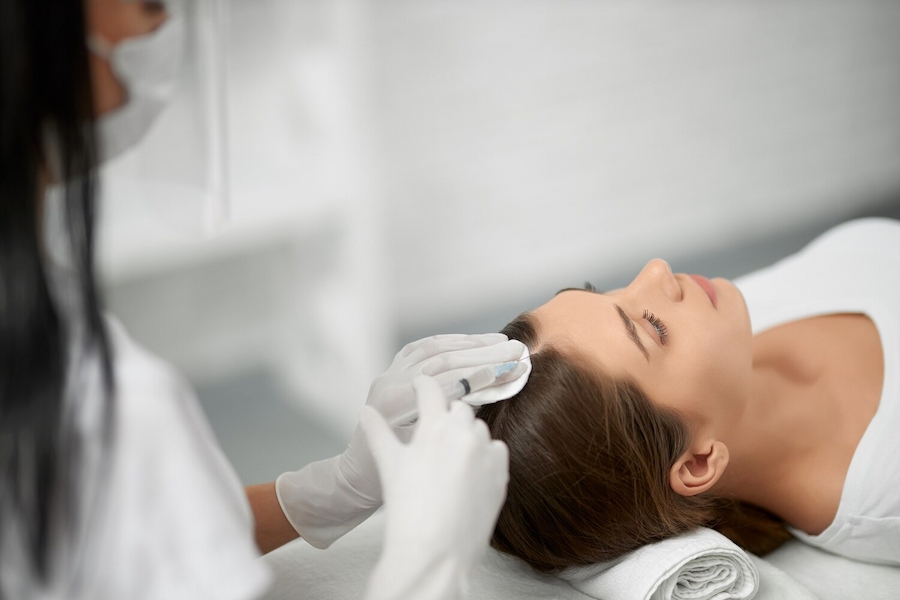
Support Stronger Hair Growth with PRP Hair Treatment Glasgow for Healthier Hair

Hair thinning and excessive shedding can gradually affect hair density, scalp coverage and personal confidence. Factors such as genetics, hormonal changes, ageing, stress and certain health conditions may contribute to changes in the hair growth cycle. For individuals looking to explore non surgical hair restoration options, prp hair treatment glasgow offers an approach that uses components obtained from the individual's own blood. The procedure aims to support scalp health and stimulate natural repair processes, potentially helping improve hair density in suitable individuals experiencing certain types of hair thinning.
Understanding PRP Hair Treatment
Platelet Rich Plasma, commonly known as PRP, is a treatment that uses a concentrated portion of platelets obtained from a small sample of the individual's blood. Platelets contain growth factors involved in the body's natural healing and tissue repair processes. During treatment, the blood sample is processed using specialised equipment to separate the platelet rich component from other blood elements. This concentrated plasma is then administered into selected areas of the scalp according to an individual treatment plan.
PRP is used in different areas of regenerative medicine and aesthetic practice, including selected hair restoration applications. In hair treatments, it is intended to support the environment around existing hair follicles. The procedure may be considered for individuals experiencing certain patterns of thinning, particularly when follicles remain active. However, results vary, and PRP cannot guarantee new hair growth or restore areas where follicles are no longer functioning. A professional assessment is essential to determine whether the treatment is appropriate.
Potential Benefits for Hair Health
One potential benefit of PRP hair treatment is that it uses a component obtained from the individual's own blood. The concentrated platelets contain growth factors that may influence cellular activity and support the scalp's natural repair processes. When administered appropriately, the treatment may help improve hair thickness or density in some individuals. The extent of improvement depends on the underlying cause of hair loss, follicle condition, treatment schedule and individual response.
PRP may also be considered by people who prefer to explore non surgical approaches before considering more invasive hair restoration procedures. It does not involve removing or transplanting hair follicles, making the process different from surgical restoration. Individuals comparing available options can also explore PRP treatment for hair loss in Glasgow. A consultation can clarify the differences between treatment approaches and establish whether PRP is suitable for the individual's hair loss pattern.
How the Treatment Process Works
The process generally begins with a consultation to review hair loss history, scalp condition and medical background. The practitioner may assess hair density, identify areas of thinning and discuss possible causes. Medical conditions, medications, previous hair treatments and individual expectations should also be considered. This assessment helps determine whether PRP may be beneficial or whether further investigation is needed. Hair loss can have several causes, so identifying the underlying issue is important before selecting a treatment.
During the procedure, a small blood sample is collected from the individual. It is placed in a specialised centrifuge that separates the platelet rich plasma from other components. Once prepared, the concentrated plasma is injected into selected areas of the scalp using an appropriate technique. The treatment area is cleaned beforehand, and measures may be used to improve comfort. The appointment length varies depending on the preparation process and the size of the area being treated.
Who May Be Suitable for PRP Hair Treatment?
PRP may be considered for individuals experiencing early or moderate hair thinning when existing follicles remain capable of producing hair. Some people explore the treatment for pattern related hair loss, while others may consider it when hair density has gradually reduced. Suitability depends on the cause of hair loss, scalp condition and overall health. A professional assessment helps establish whether PRP is likely to offer meaningful benefits and whether another treatment or medical investigation would be more appropriate.
People experiencing sudden, unexplained or patchy hair loss should seek medical advice to identify the underlying cause before starting cosmetic treatment. Certain inflammatory scalp conditions, infections and medical factors may require specific management. Individuals with particular blood disorders, platelet related conditions or other relevant health concerns may not be suitable candidates. A practitioner should review medical history and explain any limitations before recommending treatment. Realistic expectations are important because PRP does not provide the same outcome for everyone.
Recovery and Aftercare Expectations
PRP hair treatment generally involves limited recovery time, although temporary side effects can occur. The scalp may feel tender, sensitive or slightly swollen after the injections. Mild redness, bruising or pinpoint bleeding may also develop around the treated areas. These effects usually settle within a short period, but individual recovery experiences can differ. The practitioner should explain what is expected after treatment and provide instructions for caring for the scalp during the initial recovery period.
Aftercare guidance may include keeping the scalp clean, avoiding unnecessary pressure on the treated areas and postponing strenuous exercise for the period advised by the practitioner. Hair washing and the use of styling products should follow the specific recommendations provided. Individuals should avoid scratching or aggressively massaging the scalp while it is sensitive. Increasing pain, significant swelling, signs of infection or unusual symptoms should be assessed by a healthcare professional. Following professional instructions can help support a comfortable recovery.
Results and Recommended Treatment Sessions
PRP hair restoration is not an immediate solution, as changes in hair growth take time to develop. Hair follicles follow natural growth cycles, meaning visible improvements may take several months to become noticeable. Some individuals may experience improvements in hair thickness or reduced shedding, while others may see limited changes. The outcome depends on the underlying condition, follicle health, treatment technique and individual response. No specific level of regrowth or timeline can be guaranteed.
A course of sessions may be recommended depending on the individual's needs and the practitioner's assessment. Maintenance appointments may also be discussed where an initial response is observed. Progress can be reviewed through scalp assessments and consistent photographs taken under similar conditions. PRP should not replace appropriate medical treatment for underlying causes of hair loss. A broader plan may include medical advice, suitable hair care and other clinically recommended options.
Exploring Other Hair Restoration Options
Different hair restoration treatments address different causes and stages of hair loss. PRP focuses on using concentrated platelets, while other approaches may involve different technologies or surgical techniques. Individuals with more advanced hair loss may wish to discuss whether a hair transplant assessment is appropriate. Information about hair transplant treatment in Glasgow can help explain a separate approach involving the relocation of suitable hair follicles.
Another option that may be discussed is exosome hair treatment in Glasgow. Exosome based treatments use a different approach from PRP and should not be considered interchangeable. Their suitability, evidence and expected outcomes require careful professional discussion. Choosing a treatment should depend on an accurate understanding of the hair loss condition, available evidence, potential risks and realistic expectations rather than assumptions about guaranteed regrowth.
Conclusion
PRP hair treatment offers a non surgical option that uses concentrated platelets from the individual's own blood to support scalp related repair processes. It may help improve hair thickness and density in selected individuals, particularly when existing follicles remain active. However, results vary according to the cause of hair loss, scalp health and individual response. A thorough consultation helps determine suitability and establish realistic expectations. For individuals exploring hair restoration options in Glasgow, Este Medical Group can provide information about available treatments and guidance on choosing an appropriate approach to healthier looking hair.



