

India is a country of extraordinary contrasts, where ancient traditions meet modern lifestyles and every region offers a different atmosphere. From royal palaces and historic forts to colourful markets, sacred rivers and beautiful coastal landscapes, its cities reveal the many dimensions of Indian culture. For travellers, exploring these destinations is an opportunity to discover the country's history, cuisine, architecture and everyday life.
Some of the most famous cities in India are known for their magnificent monuments, while others attract visitors through their spiritual traditions, artistic heritage or distinctive food culture. Delhi introduces travellers to centuries of history, Jaipur showcases the grandeur of Rajasthan, and Varanasi offers a deeply memorable cultural experience along the River Ganges. Further south, cities such as Kochi, Mysuru and Chennai reveal another side of India's rich heritage.
Whether you are planning your first visit or returning to explore more of the country, these 15 destinations deserve a place on your travel list.
1. Delhi – India's Historic and Dynamic Capital
Delhi is one of the most fascinating cities in India, combining ancient monuments, lively neighbourhoods and a modern metropolitan atmosphere. Its history stretches across several centuries, and different periods have left their mark on the city's architecture and cultural identity.
Old Delhi is a wonderful place to begin exploring. Narrow lanes, traditional markets and historic buildings create an atmosphere that feels very different from the broad avenues and government buildings of New Delhi. The Red Fort, Jama Masjid and Humayun's Tomb are among the city's most important landmarks.
Delhi is also famous for its food. Visitors can enjoy traditional North Indian dishes, fragrant biryani, kebabs, parathas and a wide variety of street-food specialities. Chandni Chowk is particularly well known for its busy markets and traditional eateries.
Highlights of Delhi:
-
Explore the historic Red Fort.
-
Visit Humayun's Tomb and Qutub Minar.
-
Discover the markets of Old Delhi.
-
Experience the city's diverse food culture.
-
Enjoy the contrast between historic neighbourhoods and modern districts.
Delhi is also an important starting point for journeys through northern India, particularly routes connecting Agra and Jaipur.
2. Jaipur – The Pink City of Rajasthan
Jaipur is one of India's most recognisable destinations and a highlight of any journey through Rajasthan. Known as the Pink City, it is celebrated for its royal architecture, colourful bazaars and traditional craftsmanship.
The magnificent Amber Fort stands on a hill outside the city and offers impressive views of the surrounding landscape. In the historic centre, the Hawa Mahal is famous for its distinctive façade, while the City Palace provides insight into the history of Jaipur's royal family.
The city's markets are equally captivating. Visitors can browse textiles, jewellery, pottery, traditional footwear and handcrafted souvenirs. Jaipur is particularly known for its gemstones, block printing and colourful fabrics.
Food lovers can sample traditional Rajasthani dishes such as dal baati churma, gatte ki sabzi and regional sweets.
Highlights of Jaipur:
-
Visit Amber Fort and City Palace.
-
Admire the famous Hawa Mahal.
-
Explore Jantar Mantar, the historic astronomical observatory.
-
Shop for traditional handicrafts and textiles.
-
Taste authentic Rajasthani cuisine.
Jaipur is also a central destination on the famous Golden Triangle route, making it an excellent addition to a first-time India itinerary.
3. Agra – Home of the Taj Mahal
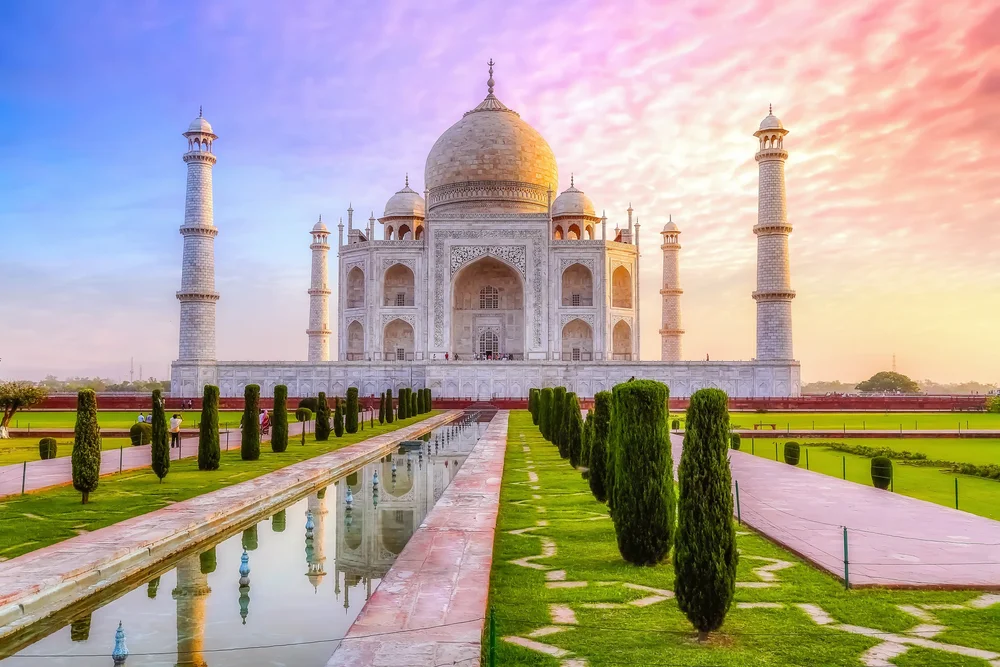
Agra is internationally famous for the Taj Mahal, one of the world's most celebrated architectural monuments. Built during the Mughal period, this magnificent white-marble mausoleum is a symbol of love and an essential stop for many travellers visiting India.
The Taj Mahal is beautiful at different times of day, with changing light creating subtle differences in the appearance of its marble surfaces. Arriving early can provide a quieter opportunity to appreciate the monument.
Agra Fort is another major attraction. Its impressive walls, courtyards and palaces reflect the power and artistic achievements of the Mughal Empire. Travellers with additional time can also visit Fatehpur Sikri, a historic imperial city located outside Agra.
Agra is also known for its traditional crafts, including marble inlay work and leather products. Local sweets, especially petha, are popular with visitors.
Highlights of Agra:
-
Discover the Taj Mahal.
-
Explore the historic Agra Fort.
-
Take a trip to Fatehpur Sikri.
-
Learn about Mughal architecture and history.
-
Discover traditional marble craftsmanship.
For many travellers, Agra becomes one of the most memorable stops on a northern India journey.
4. Varanasi – India's Sacred City on the Ganges
Varanasi is one of India's oldest continuously inhabited cities and an important centre of Hindu spirituality. Situated on the banks of the River Ganges, it offers a cultural atmosphere unlike almost anywhere else in the country.
The city's riverfront is lined with ghats, stone steps leading down to the water. These are central to daily religious and social life. Visitors can observe traditional ceremonies, explore historic temples and learn about the city's long spiritual traditions.
A boat journey on the Ganges provides a different perspective of Varanasi. Early morning is particularly atmospheric, as the city gradually becomes active along the riverbanks. In the evening, visitors can witness the Ganga Aarti ceremony, a traditional ritual involving prayers, music and lamps.
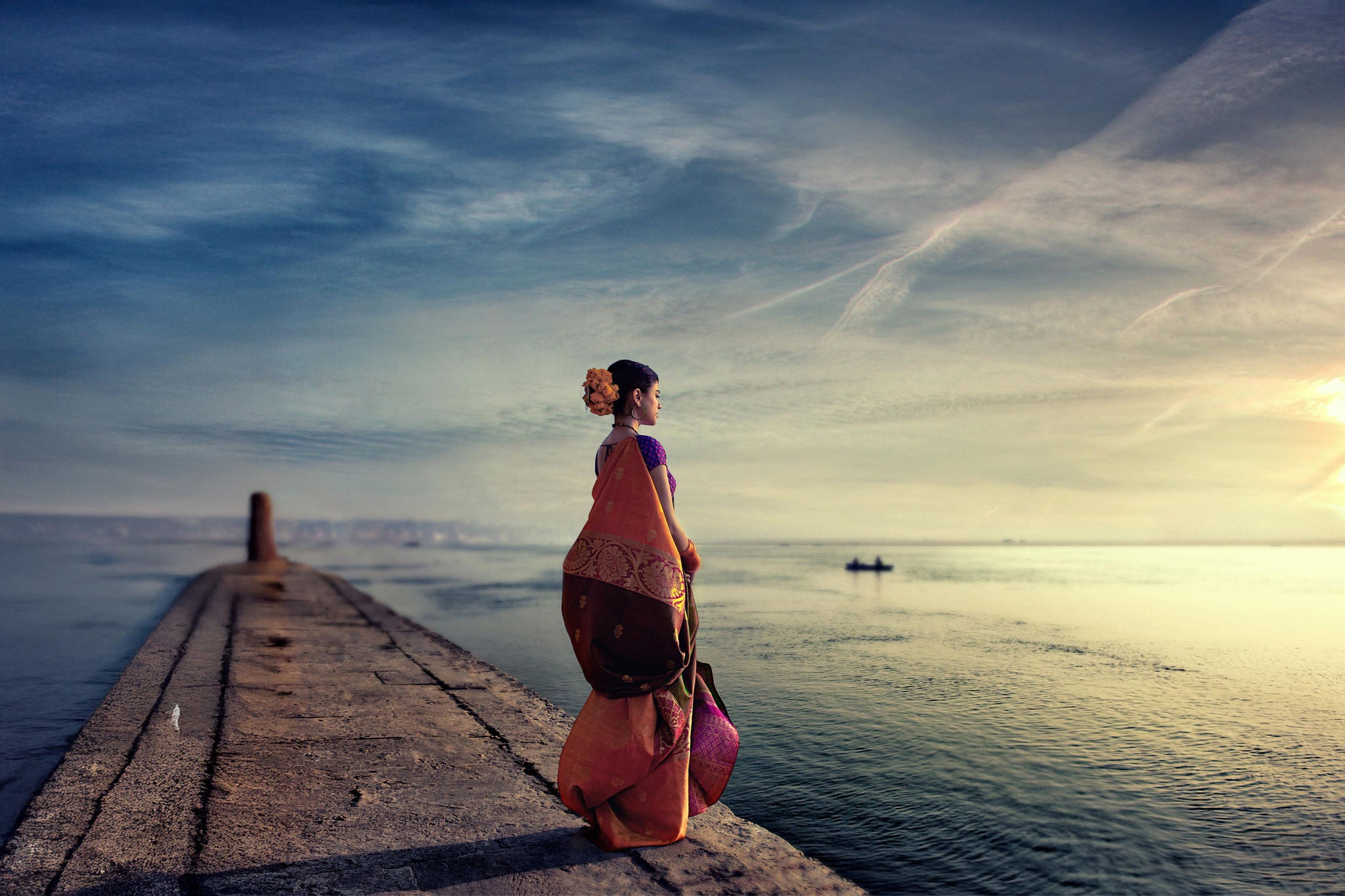
Varanasi is also famous for its silk weaving. Traditional Banarasi silk textiles are admired for their detailed patterns and craftsmanship.
Highlights of Varanasi:
-
Experience the atmosphere of the Ganges ghats.
-
Attend the evening Ganga Aarti ceremony.
-
Explore the city's temples and historic streets.
-
Learn about traditional silk weaving.
-
Discover local vegetarian cuisine and sweets.
Varanasi is an especially rewarding destination for travellers interested in India's spiritual and cultural traditions.
5. Mumbai – India's City of Energy and Creativity
Mumbai is India's financial and entertainment capital, known for its impressive skyline, historic architecture and lively cultural scene. Located on the Arabian Sea, it combines colonial-era landmarks with modern business districts, art spaces and colourful neighbourhoods.
The Gateway of India is one of the city's best-known monuments. Nearby, the historic Taj Mahal Palace hotel adds to the waterfront's distinctive character. Visitors can also explore the Chhatrapati Shivaji Maharaj Terminus, a remarkable railway station recognised for its Victorian Gothic architecture.
Mumbai is closely associated with India's film industry, commonly known as Bollywood. Film heritage, contemporary galleries, theatres and music venues all contribute to the city's creative atmosphere.
Its food culture is another major attraction. Vada pav, pav bhaji, bhel puri and a variety of regional dishes are popular choices.
Highlights of Mumbai:
-
Visit the Gateway of India.
-
Admire the architecture of Chhatrapati Shivaji Maharaj Terminus.
-
Explore the Kala Ghoda arts district.
-
Discover the city's diverse restaurants and street food.
-
Experience the atmosphere of Marine Drive.
Mumbai is an excellent destination for travellers who enjoy modern urban culture alongside historic attractions.
6. Kolkata – The Cultural Capital of Eastern India
Kolkata is known for its literary traditions, artistic heritage, colonial architecture and distinctive Bengali culture. Often described as India's cultural capital, the city offers an engaging combination of historic landmarks, intellectual life and traditional neighbourhoods.
The Victoria Memorial is one of Kolkata's most recognisable buildings. Constructed in white marble, it houses a museum and stands within landscaped gardens. Other important sights include the Indian Museum, Howrah Bridge and the historic streets around Dalhousie Square.
Kolkata is also famous for its festivals, particularly Durga Puja. During this celebration, the city becomes a showcase of artistic creativity, temporary installations, traditional rituals and community gatherings.
Bengali cuisine is another reason to visit. Fish preparations, rice dishes, kathi rolls and sweets such as rasgulla and sandesh are among the city's culinary favourites.
Highlights of Kolkata:
-
Visit the Victoria Memorial.
-
Explore the Indian Museum.
-
Admire the Howrah Bridge and Hooghly River.
-
Discover Bengali art, literature and traditions.
-
Sample traditional Bengali dishes and sweets.
Kolkata offers a particularly rewarding experience for travellers interested in history, architecture and the arts.
7. Udaipur – The Romantic City of Lakes
Udaipur is among Rajasthan's most beautiful cities, famous for its lakes, elegant palaces and scenic surroundings. Its relaxed atmosphere makes it a favourite destination for visitors seeking a combination of heritage and natural beauty.
Lake Pichola is the centrepiece of the city. A boat ride offers wonderful views of the surrounding hills, historic buildings and waterfront palaces. The City Palace is another major attraction, with richly decorated rooms, courtyards and balconies overlooking the lake.
The old town is filled with traditional shops, small cafés, galleries and narrow streets. Visitors can discover miniature paintings, handcrafted jewellery and textiles inspired by Rajasthan's artistic traditions.
Udaipur is also known for its traditional cuisine and rooftop restaurants, many of which offer views of the city's illuminated lakeside buildings.
Highlights of Udaipur:
-
Explore the City Palace.
-
Enjoy a boat ride on Lake Pichola.
-
Visit Jagdish Temple.
-
Discover the old town's markets and art galleries.
-
Experience traditional Rajasthani food.
Udaipur is an ideal destination for travellers who appreciate architecture, scenic settings and a slower pace of exploration.
8. Jodhpur – The Blue City of Rajasthan
Jodhpur is instantly recognisable for its blue-painted houses surrounding the historic old town. Located on the edge of the Thar Desert, it is one of Rajasthan's most atmospheric destinations.
Mehrangarh Fort dominates the city from a rocky hilltop. Its impressive architecture, historic collections and panoramic views make it one of the region's most important attractions. The fort also provides an excellent introduction to the history of the Rathore rulers.
Below the fort, the old city is a maze of narrow lanes, traditional houses and busy markets. The area around the Clock Tower and Sardar Market is particularly interesting for visitors looking for local crafts, spices and textiles.
Jodhpur's cuisine is another highlight. Local specialities include mirchi vada, mawa kachori and traditional Rajasthani thalis.
Highlights of Jodhpur:
-
Explore Mehrangarh Fort.
-
Visit Jaswant Thada.
-
Walk through the blue streets of the old town.
-
Discover Sardar Market and the Clock Tower.
-
Taste traditional Marwari dishes.
Jodhpur is an excellent stop on a longer Rajasthan itinerary, particularly when combined with Jaisalmer and Udaipur.
9. Kochi – A Historic Harbour City in Kerala
Kochi, also known as Cochin, is one of southern India's most interesting coastal destinations. Its history has been shaped by centuries of maritime trade and cultural exchange, creating a distinctive mix of Indian, Portuguese, Dutch and British influences.
Fort Kochi is the best place to explore this heritage. Its historic streets feature old colonial buildings, art galleries, cafés and traditional shops. The Chinese fishing nets along the waterfront are among the city's most recognisable sights.
Visitors can also explore Mattancherry Palace and the nearby Jewish heritage area, where historic architecture reflects Kochi's multicultural past.
Kochi is an excellent introduction to Kerala's cuisine. Seafood, coconut-based curries, appam and traditional vegetarian dishes are widely enjoyed.
Highlights of Kochi:
-
See the Chinese fishing nets.
-
Explore Fort Kochi's historic streets.
-
Visit Mattancherry Palace.
-
Discover local art galleries and cafés.
-
Taste Kerala's traditional cuisine.
Kochi is also a convenient starting point for exploring Kerala's backwaters, tea plantations and coastal destinations.
10. Chennai – A Gateway to South Indian Heritage
Chennai is the capital of Tamil Nadu and an important centre of South Indian culture. The city is particularly well known for its temples, classical music, traditional dance and coastal setting.
Marina Beach is one of Chennai's most famous landmarks and a popular place for an evening walk. The Kapaleeshwarar Temple, with its colourful Dravidian architecture, offers insight into the region's religious traditions.
The city is also home to important cultural institutions and historic buildings. Visitors interested in performing arts may enjoy learning about Bharatanatyam, one of India's classical dance forms, as well as Carnatic music.
Chennai's cuisine is another major attraction. Idli, dosa, sambar, rasam and traditional South Indian filter coffee are essential parts of the local food experience.
Highlights of Chennai:
-
Visit Kapaleeshwarar Temple.
-
Enjoy a walk along Marina Beach.
-
Explore the city's museums and cultural centres.
-
Experience South Indian music and dance traditions.
-
Taste authentic Tamil cuisine.
Chennai is an excellent starting point for journeys through Tamil Nadu, including visits to Mahabalipuram, Thanjavur and Madurai.
11. Mysuru – A City of Palaces and Traditions
Mysuru, often called Mysore, is one of Karnataka's most important cultural destinations. It is particularly famous for its royal heritage, elegant architecture and traditional festivals.
The magnificent Mysore Palace is the city's most celebrated attraction. Its richly decorated interiors and impressive architecture reflect the legacy of the Wadiyar dynasty. The palace is especially striking when illuminated during special occasions.
Chamundi Hill offers panoramic views of the city and is home to the Chamundeshwari Temple. Visitors can also explore the Devaraja Market, where colourful displays of flowers, spices, fruit and local products create a lively atmosphere.
Mysuru is also associated with traditional silk, sandalwood products and the famous Mysore pak sweet.
Highlights of Mysuru:
-
Explore Mysore Palace.
-
Visit Chamundi Hill.
-
Discover Devaraja Market.
-
Learn about traditional silk and sandalwood crafts.
-
Taste the famous Mysore pak.
Mysuru is a wonderful addition to a South India journey, especially for visitors interested in royal history and regional traditions.
12. Amritsar – The Spiritual Heart of Punjab
Amritsar is one of northern India's most important cultural and spiritual destinations. Located in Punjab, it is best known for the Golden Temple, the holiest shrine of Sikhism.
The Golden Temple, also called Harmandir Sahib, is an extraordinary architectural and spiritual landmark. Its golden exterior is reflected in the surrounding sacred pool, creating a peaceful and memorable setting. Visitors can learn about Sikh traditions and the importance of community service.
One of the most distinctive experiences in Amritsar is visiting the community kitchen, or langar, where meals are prepared and served to visitors regardless of their background.
The city is also famous for its food. Amritsari kulcha, chole, lassi and traditional Punjabi dishes are popular choices.
Highlights of Amritsar:
-
Visit the Golden Temple.
-
Learn about Sikh history and traditions.
-
Experience the community kitchen.
-
Explore the historic Jallianwala Bagh memorial.
-
Enjoy authentic Punjabi cuisine.
Amritsar provides an important cultural perspective on northern India and is particularly rewarding for travellers interested in history and living traditions.
13. Ahmedabad – A Centre of Heritage and Architecture
Ahmedabad is one of Gujarat's most fascinating cities, combining historic neighbourhoods, remarkable architecture and a strong cultural identity. Its old city is recognised for its traditional residential areas, known as pols, which feature intricate wooden architecture and closely connected community spaces.
The Sabarmati Ashram is an important historic site associated with Mahatma Gandhi and India's independence movement. Visitors can learn about Gandhi's life, philosophy and role in the country's history.
Ahmedabad is also known for its architectural heritage, including the beautifully carved Adalaj Stepwell and the Sidi Saiyyed Mosque, famous for its intricate stone latticework.
Food is an essential part of the city's appeal. Gujarati thali, dhokla, khandvi and a variety of vegetarian snacks are popular local specialities.
Highlights of Ahmedabad:
-
Visit Sabarmati Ashram.
-
Explore the historic old city.
-
Admire the Sidi Saiyyed Mosque.
-
Discover Adalaj Stepwell.
-
Taste traditional Gujarati cuisine.
Ahmedabad is an excellent destination for travellers interested in architecture, history and the cultural diversity of western India.
14. Madurai – The Temple City of Tamil Nadu
Madurai is one of India's oldest historic cities and a major centre of Tamil culture. Its identity is closely connected with the magnificent Meenakshi Amman Temple, an architectural masterpiece known for its colourful towers and detailed sculptures.
The temple complex is at the heart of the city and remains an important place of worship. Its architecture, ceremonial traditions and lively surroundings offer visitors a fascinating introduction to Tamil religious heritage.
Madurai's historic streets are filled with traditional shops, flower sellers and local markets. The city is also famous for its food, including idli, dosa, parotta and the well-known Jigarthanda drink.
Travellers interested in history can explore the Thirumalai Nayakkar Palace, which reflects the architectural influence of the Nayak rulers.
Highlights of Madurai:
-
Visit Meenakshi Amman Temple.
-
Explore Thirumalai Nayakkar Palace.
-
Discover traditional markets and flower streets.
-
Taste authentic Tamil dishes.
-
Learn about the city's ancient cultural traditions.
Madurai is a particularly rewarding destination for visitors exploring the temples and heritage sites of Tamil Nadu.
15. Panaji – The Colourful Capital of Goa
Panaji, also known as Panjim, offers a different experience from India's larger historic cities. Located in Goa, it combines Portuguese-influenced architecture, riverside scenery, relaxed neighbourhoods and a distinctive coastal atmosphere.
The Fontainhas district is one of the city's most charming areas. Its colourful houses, narrow streets and traditional balconies reflect Goa's Portuguese heritage. Walking through this neighbourhood is an excellent way to discover the city's architectural character.
The Church of Our Lady of the Immaculate Conception is another prominent landmark, known for its impressive white façade and central staircase. Visitors can also explore the riverside promenade, local markets and nearby cultural attractions.
Goan cuisine is an important part of the experience. Seafood dishes, coconut-based curries, local breads and traditional sweets reflect the region's diverse culinary influences.
Highlights of Panaji:
-
Explore the colourful Fontainhas neighbourhood.
-
Visit the Church of Our Lady of the Immaculate Conception.
-
Enjoy the Mandovi River waterfront.
-
Discover local markets and galleries.
-
Taste traditional Goan cuisine.
Panaji is an ideal destination for travellers who want to combine cultural exploration with the relaxed atmosphere of Goa.
How to Plan a Journey Through India's Famous Cities
India is a vast country, and visiting all 15 cities in a single trip would require considerable time. A more enjoyable approach is to select destinations that fit your interests and combine them into a well-organised route.
Here are several popular ways to explore the country.
The Golden Triangle: Delhi, Agra and Jaipur
The Golden Triangle is one of India's best-known travel routes. It connects three destinations that offer a wonderful introduction to the country's history and architecture.
Delhi provides an introduction to India's capital and its many historical periods. Agra is home to the Taj Mahal and important Mughal monuments, while Jaipur showcases Rajasthan's royal heritage.
This route is particularly suitable for first-time visitors who want to experience some of northern India's most famous attractions.
Rajasthan Heritage Journey
Travellers with more time can explore Rajasthan in greater depth. A route connecting Jaipur, Jodhpur and Udaipur reveals the region's forts, palaces, traditional markets and distinctive landscapes.
Jaisalmer can also be added for its desert setting and historic sandstone architecture. This journey is especially appealing to visitors interested in royal heritage, photography and traditional crafts.
South India Cultural Journey
Southern India offers a fascinating combination of temples, historic cities and natural landscapes. A journey might connect Chennai, Madurai, Mysuru and Kochi, with additional stops in Kerala or Tamil Nadu.
This route allows travellers to discover Dravidian temple architecture, classical arts, regional cuisine and the peaceful landscapes of southern India.
North and East India Discovery
Travellers looking for a broader cultural experience can combine Delhi and Amritsar with Kolkata and Varanasi. Each city offers a different perspective on India's religious, historical and regional traditions.
Depending on available time, the itinerary can also include nature destinations or less-visited cultural regions.
For more inspiration, explore the India travel destinations and tours offered by Travel Mart TM.
What Is the Best Time to Visit India's Famous Cities?
The best time to visit India depends on the regions included in your itinerary. Because the country has several climate zones, weather conditions can vary considerably between northern, southern, eastern and western destinations.
In many parts of northern and central India, the cooler months from October to March are popular for sightseeing. Destinations such as Delhi, Agra, Jaipur, Varanasi and Udaipur are generally more comfortable to explore during this period.
Southern India has a different seasonal pattern. Kerala and Tamil Nadu can be visited at different times of the year, although rainfall and humidity should be considered when planning outdoor activities.
The monsoon season brings rainfall to many parts of the country, usually between June and September, with regional variations. While this period can create beautiful green landscapes, heavy rain may affect some travel arrangements.
When planning a multi-city journey, consider the weather in each region rather than choosing travel dates based on one destination alone.
Experience India's Food, Culture and Local Traditions
One of the most rewarding aspects of travelling through India is discovering how much its culture changes from one region to another.
In northern India, visitors can enjoy rich curries, tandoori dishes, breads and traditional sweets. Rajasthan is known for its distinctive regional cuisine, while Punjab offers hearty dishes and a strong food culture.
In eastern India, Bengali cuisine features fish, rice and delicate sweets. Western India offers Gujarati vegetarian specialities and the distinctive flavours of Goan coastal cooking.
Southern India is famous for dosa, idli, coconut-based curries, rice dishes and traditional filter coffee.
Beyond food, each region has its own artistic and cultural traditions. Travellers may discover classical dance performances, local festivals, traditional weaving, religious ceremonies and historic architecture.
A journey becomes more meaningful when there is enough time to explore these experiences rather than simply moving from one monument to another.
Why Choose a Tailor-Made India Tour?
India offers so many destinations and experiences that planning a journey can feel overwhelming. Distances between cities, transport connections, seasonal conditions and the variety of accommodation options all deserve careful consideration.
A tailor-made journey provides the flexibility to choose destinations and experiences according to personal interests. Some travellers may prefer historic cities and architectural landmarks, while others may want to include wildlife, local food experiences, wellness stays or time in nature.
Travel Mart TM specialises in individual travel arrangements and journeys developed with local travel partners. Its approach allows travellers to combine different regions and experiences while considering their preferred travel style, accommodation and schedule.
Explore the possibilities of tailor-made individual tours in India or discover a private South India journey that combines temples, culture, nature and Ayurveda.
A carefully planned itinerary can also make it easier to balance busy sightseeing days with time to relax and enjoy each destination.
Frequently Asked Questions About Famous Cities in India
Which are the most famous cities in India?
Some of India's most famous cities include Delhi, Mumbai, Jaipur, Agra, Varanasi, Kolkata, Udaipur, Jodhpur, Kochi and Chennai. Each is known for a different combination of history, culture, architecture, food and local traditions.
Which Indian city should first-time visitors explore?
Delhi, Agra and Jaipur are excellent choices for first-time visitors because they form the popular Golden Triangle route. Together, they introduce travellers to important historic monuments, Mughal architecture and Rajasthan's royal heritage.
Which city in India is best for cultural experiences?
There is no single answer, as different cities offer different cultural experiences. Varanasi is known for its spiritual traditions, Kolkata for its literature and arts, Jaipur for its royal heritage, and Madurai for its important temple culture.
Which Indian cities are famous for food?
Delhi, Mumbai, Kolkata, Amritsar, Chennai and Lucknow are particularly well known for their food cultures. However, every region of India offers distinctive dishes and local specialities worth discovering.
How many days are needed to explore India's famous cities?
The ideal duration depends on the number of destinations and the travel pace. A Golden Triangle journey can be explored in around one week, while a more extensive trip covering several regions may require two to three weeks or longer.
Is it possible to combine northern and southern India in one trip?
Yes. With sufficient time and suitable transport connections, travellers can combine destinations in northern and southern India. However, because distances are considerable, it is important to plan the route carefully and avoid trying to include too many cities in a short holiday.
Can I arrange a private tour of India's famous cities?
Yes. Private and tailor-made journeys allow travellers to choose destinations, accommodation, sightseeing activities and travel dates according to their preferences. Travel Mart TM offers individual travel arrangements in India in cooperation with local partners.
Conclusion: Discover the Many Faces of India
India's famous cities offer far more than impressive monuments and popular sightseeing attractions. They reveal the country's extraordinary cultural diversity, regional traditions, artistic achievements and welcoming local communities.
From Delhi's historic landmarks and Jaipur's royal palaces to Varanasi's spiritual atmosphere and Kochi's coastal heritage, every destination has its own character. Cities such as Kolkata, Mysuru, Amritsar and Madurai add further depth to the experience, making a journey through India both varied and memorable.
The best way to explore these destinations is to choose a route that matches your interests and allows enough time to appreciate each place. Whether you dream of discovering ancient architecture, tasting regional specialities or experiencing traditional cultural life, India offers countless opportunities.
With thoughtful planning and the right itinerary, your journey can become much more than a collection of famous landmarks. It can be an unforgettable introduction to one of the world's most diverse and fascinating countries.
Discover more inspiration and plan your next journey with Travel Mart TM.



