

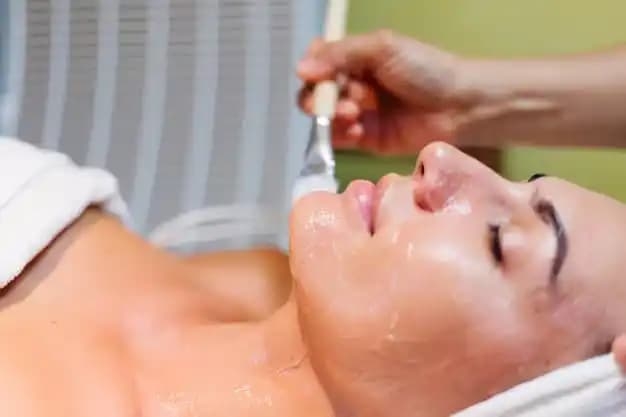
Why Are Algae Peel Birmingham Treatments Becoming Popular for Skin Renewal?

Skin rejuvenation treatments continue to attract attention from individuals looking to improve uneven texture, dullness and the appearance of blemishes. Different exfoliation methods offer varying approaches to supporting smoother and healthier-looking skin. Algae Peel Birmingham treatments have gained interest because they use algae-derived ingredients and specialised exfoliating formulations rather than relying exclusively on conventional chemical exfoliants. Understanding how this approach works, how it differs from traditional peels and which skin concerns it may address can help individuals make informed decisions about their skincare choices.
What Is an Algae Peel?
An algae peel is a cosmetic exfoliation treatment that uses ingredients derived from marine algae, often alongside other botanical or mineral components. Certain formulations contain microscopic algae particles or spicules that interact with the outer layers of the skin and encourage exfoliation. Depending on the product, the treatment may produce temporary tingling, redness or sensitivity as the skin responds. Formulations differ between providers, so the precise ingredients, application method and expected effects should always be discussed during a professional consultation.
Why Are Algae-Based Treatments Becoming Popular?
Interest in algae-based skincare has grown because marine ingredients contain various naturally occurring compounds, including minerals, polysaccharides and antioxidants. These substances are used in cosmetic formulations designed to support skin conditioning and improve its overall appearance. Algae peels also appeal to individuals exploring alternatives to conventional exfoliation methods. However, natural ingredients do not automatically guarantee better results or eliminate the possibility of irritation. Treatment suitability depends on the formulation, individual skin characteristics and the professional's understanding of the procedure.
How Does an Algae Peel Work?
The Role of Marine-Derived Ingredients
Marine algae contain compounds that are widely used in skincare products because of their conditioning and moisturising properties. Different algae species have different compositions, meaning their cosmetic applications can vary considerably. In some specialised peel formulations, microscopic structures derived from marine materials are included to encourage controlled exfoliation. These ingredients may help loosen accumulated surface cells and improve the appearance of uneven texture. However, the actual mechanism depends on the specific formulation, and evidence supporting individual product claims should be evaluated carefully.
Understanding the Exfoliation Process
Exfoliation involves removing accumulated dead skin cells from the outermost skin layer. This process can help create a smoother appearance and make the complexion look fresher. Some algae peel formulations use microscopic spicules that interact with the skin surface and may produce a temporary prickling sensation. The resulting response can include redness, dryness and peeling as the skin recovers. The intensity varies according to the formulation and application technique. Professional guidance is important because excessive exfoliation can damage the skin barrier and cause unnecessary irritation.
Supporting Skin Renewal
The skin naturally replaces surface cells through a continuous renewal process. Exfoliation treatments are designed to support this process by removing some accumulated dead cells and improving surface texture. Certain algae-based formulations are marketed as treatments that encourage skin renewal, although claims about deeper regeneration should not be assumed without appropriate scientific evidence. A professional should explain what the selected product can realistically achieve. Individuals should understand that visible changes depend on skin condition, treatment intensity, aftercare and the body's natural recovery process.
How Is an Algae Peel Different from Traditional Skin Peels?
Differences in Ingredients and Formulations
Traditional chemical peels commonly use ingredients such as alpha hydroxy acids, beta hydroxy acids and other carefully formulated exfoliating agents. These substances work through chemical exfoliation, helping loosen connections between surface skin cells. Algae peels may instead contain marine-derived ingredients and, in some formulations, microscopic spicules that create a different exfoliation experience. However, not every algae peel works in the same way, and some products may combine several exfoliating ingredients. Understanding the complete formulation is therefore more important than relying on the treatment name alone.
Differences in How the Skin Responds
Chemical peels can produce different responses depending on their ingredients, concentration and application time. Mild formulations may cause temporary dryness or tingling, while stronger treatments can result in more noticeable peeling and redness. Certain algae-based treatments may create a prickling sensation and temporary sensitivity because of their physical exfoliating components. Neither approach is automatically gentler or more effective. The condition of the skin, treatment depth and professional technique determine how an individual may respond. A consultation helps establish which method offers the most appropriate approach.
Treatment Depth and Recovery Expectations
Traditional peels range from superficial treatments to deeper procedures that require more extensive recovery. Algae peel formulations also differ in strength and application methods, meaning recovery cannot be predicted from the treatment category alone. Some individuals experience temporary redness, dryness and visible flaking, while others may notice more prolonged sensitivity. Recovery instructions should be provided according to the exact product used. A suitable treatment plan should prioritise skin health rather than selecting a procedure simply because it is described as natural or alternative.
What Skin Concerns May an Algae Peel Address?
Dullness and Uneven Skin Texture
Accumulated dead skin cells can make the complexion appear dull and uneven. Exfoliation may improve the appearance of surface texture by removing some of this buildup and creating a smoother-looking finish. Individuals experiencing roughness or a lack of radiance may therefore explore an algae-based treatment as part of a wider skincare approach. However, results depend on the underlying cause of the concern. Persistent dryness, irritation and inflammatory skin conditions may require a different approach rather than additional exfoliation.
Congested Skin and the Appearance of Pores
Some individuals explore exfoliating treatments to improve the appearance of congested skin and visible pores. Removing accumulated surface cells may help improve skin smoothness, although pores cannot permanently disappear through exfoliation. Algae peel suitability depends on whether congestion is related to surface buildup or another condition, such as active acne. Inflamed breakouts may become more irritated following certain exfoliation procedures. A qualified practitioner should examine the skin before recommending treatment, particularly when sensitivity, acne or previous reactions are present.
Uneven Skin Tone and Surface Discolouration
Uneven skin tone can develop because of sun exposure, inflammation, hormonal changes and other factors. Certain exfoliating treatments may improve superficial irregularities, but they are not suitable for every pigmentation condition. Individuals with darker skin tones may have a greater risk of post-inflammatory pigmentation following irritating procedures. A careful assessment is therefore essential before selecting an algae peel. Those interested in understanding alternative approaches can explore depigmentation treatments for dark spots and uneven skin, which discusses another area of professional skin care.
What Happens During an Algae Peel Appointment?
Initial Consultation and Skin Assessment
The process should begin with a consultation to understand the individual's skincare concerns, medical history and expectations. A practitioner examines the skin and considers factors such as sensitivity, active breakouts, pigmentation, allergies and previous cosmetic procedures. Current skincare products and medication should also be discussed because certain ingredients can increase irritation. This assessment helps determine whether the selected algae peel is appropriate or whether another treatment would be safer. Individuals should receive clear information about the procedure, expected recovery and possible side effects.
Application and Treatment Experience
The application method depends on the specific algae peel formulation. Generally, the skin is cleansed before the product is applied according to the manufacturer's instructions and the practitioner's assessment. Some formulations involve gentle massage or controlled application techniques to distribute the ingredients evenly. A temporary prickling, warmth or tingling sensation may occur. The treatment should never cause uncontrolled discomfort. Individuals should communicate any unusual burning or significant irritation immediately so that the practitioner can assess the skin and respond appropriately.
Recovery and Aftercare
After treatment, the skin may experience redness, dryness, sensitivity or visible flaking. The recovery period varies depending on the formulation and individual response. Gentle cleansing, suitable moisturising and consistent sun protection are important during recovery. Harsh exfoliants, retinoids and other potentially irritating skincare ingredients may need to be temporarily avoided according to professional instructions. Scrubbing or manually removing peeling skin should also be avoided because it can increase irritation and potentially affect the healing process.
Who Should Consider an Algae Peel?
An algae peel may be considered by individuals seeking improvements in selected concerns involving dullness, uneven texture or superficial skin congestion. However, suitability cannot be determined by appearance alone. People with active infections, significant inflammation, damaged skin barriers or certain dermatological conditions may need to avoid exfoliating treatments. Individuals with sensitive skin, a history of pigmentation changes or previous allergic reactions should receive particular attention during assessment. Professional advice helps establish whether an algae peel, traditional chemical peel or alternative skincare treatment is more appropriate.
Conclusion
Algae peels differ from traditional skin peels through their use of marine-derived ingredients and, in some formulations, microscopic exfoliating structures. Although both approaches aim to improve surface skin appearance, their ingredients, mechanisms and recovery experiences can vary considerably. Neither treatment is universally suitable, and results depend on formulation, professional application and individual skin characteristics. Understanding these differences helps individuals make informed skincare decisions based on realistic expectations. Este Medical Group Birmingham can be considered when exploring professional skin treatment information and discussing suitable options for individual skin rejuvenation goals.



