


One end of the floss comes out in threads. The same thing happens two nights later, in the same gap. For someone with a filling in that tooth, it is tempting to blame the restoration straight away. The timing makes the suspicion reasonable, but a rough spot on the neighboring tooth or a change in the contact between the two teeth can feel much the same. The difference matters when the possible solutions range from smoothing an edge to replacing a larger restoration. Before anyone decides that a filling has failed, it helps to picture how the floss travels.
A narrow passage between two teeth
Floss first passes through the place where the teeth touch. It then slides against the side of each tooth. A snag on the way down can tell a different story from a catch as the floss is pulled back out. A person can describe which movement produces the snag, whether it happens every time, and whether a thread is left behind. A clinician can then inspect the contact instead of trying to infer the location from the patient’s memory of which tooth was treated.
Food packing can be another clue. A contact that has opened can let food lodge during meals, even when floss itself moves easily. A rough edge can shred floss without producing the same sensation during chewing. An appointment can help sort these details out. They are easier to distinguish when someone remembers a particular food or motion that brought the problem to their attention.
Roughness is one possible finding
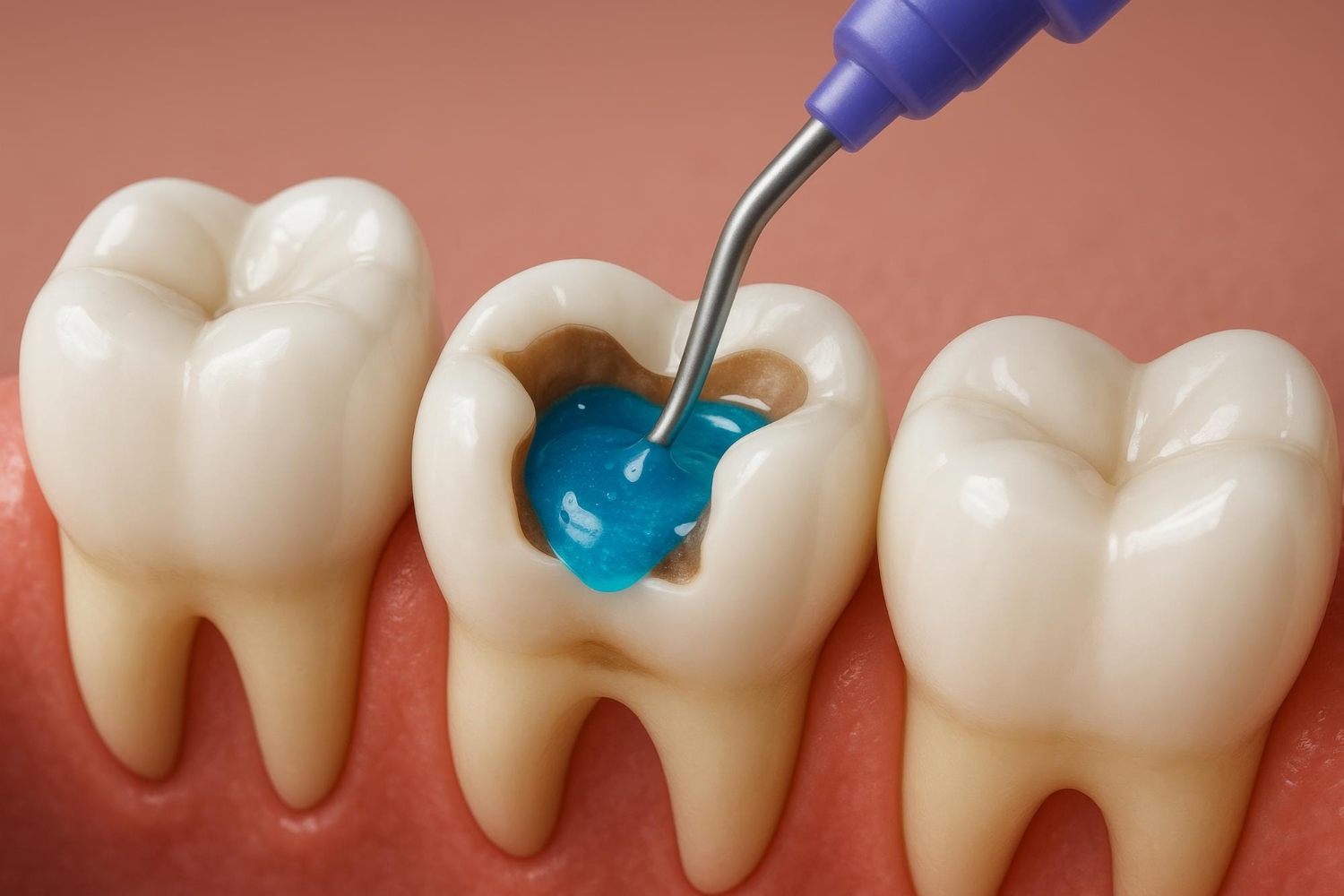
Dental fillings restore areas of a tooth that have lost structure. A dentist may examine the border where filling material meets enamel, check the neighboring tooth, and evaluate the bite. X-rays may be helpful when the area is hard to see directly, particularly between teeth. The dentist weighs the images alongside what is visible and what the patient reports.
Puri Dentistry describes materials and restorative uses on its page about dental fillings. The age of a filling is a piece of history. Its current condition is the part the clinician needs to assess. A filling placed years earlier may still be sound. Another might have a chipped edge, a problem underneath, or a contact issue that changes how food and floss move through the gap.
How the size of a repair changes
A small rough spot may sometimes be polished when the tooth and restoration are otherwise sound. A chipped filling, decay, or a defect that cannot be addressed by smoothing can lead to a different recommendation. The decision also depends on the remaining tooth. Replacing a larger restoration is a different job from adjusting a tiny edge visible near the contact.
The practice’s article on hidden cavities and older fillings discusses the overlap in what patients feel. For example, a person may point to the filling because that is where cold seems to hit, yet the dentist still examines both teeth bordering the gap. A previous image or record of the treatment can give the office a point of comparison, particularly if the filling was placed elsewhere.
When the bite is part of the description
A patient may remember the exact meal when a tooth began to feel tender. That is worth distinguishing from food that simply gets stuck. Pain when pressing down, a twinge on letting go, and floss that shreds are different observations. They may turn up together, or one may be the dominant problem. Describing which one started first gives the clinician a clearer sequence.
The information can also make a second visit easier to assess. If an edge is adjusted, the dental team can explain what improvement would be expected. Floss moving freely again addresses the original snag. Continued discomfort while chewing is a separate observation and can prompt the office to revisit the bite or surrounding tooth.
An answer smaller than the worry
Dental fillings attract attention when something changes around them because they are the part of the tooth a person remembers having repaired. Sometimes the eventual explanation is smaller than the worry that brought the patient in. Sometimes the snag is the first clue to a problem that deserves more work. What makes the examination worthwhile is the ability to tie a recommendation to a particular finding. The person leaves with a better answer than the filling’s age or the number of broken floss threads. They know which part of the gap caused the trouble and what the dentist observed there.



