

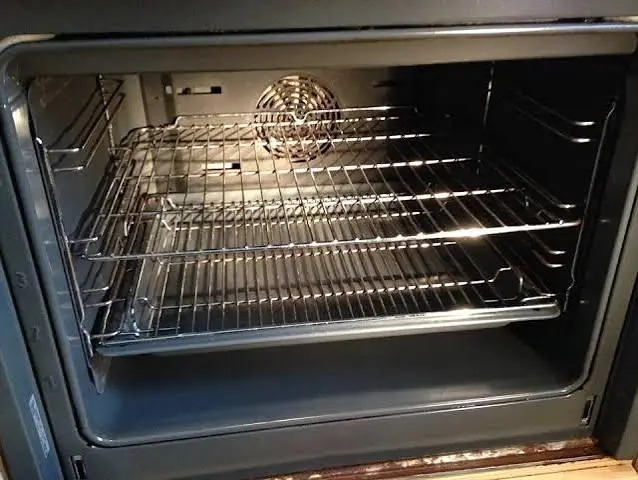

An oven is an essential part of most kitchens, but keeping it clean can become a frustrating household task. Regular cooking leaves behind grease splashes, food particles, oil deposits, and burnt residue that gradually stick to internal surfaces. Over time, these layers become harder to remove and can affect the overall cleanliness of the cooking area. Even when the outside of an oven looks spotless, its racks, door glass, and interior corners may still contain considerable buildup.
A neglected oven can also produce unpleasant odors when old food residue heats up. In some situations, accumulated grease may create smoke during cooking, making the kitchen less comfortable. Understanding the benefits of oven cleaning Walsall helps homeowners explore suitable ways to maintain their appliances and achieve a cleaner cooking environment without unnecessary effort.
Affordable oven maintenance does not mean compromising on cleaning quality. With appropriate techniques, practical habits, and the right professional support when needed, households can keep their appliances in good condition while making routine kitchen maintenance easier.
Why Regular Oven Cleaning Is Worth the Effort
Oven cleaning is important for more than appearance. Food spills, cooking oils, and burnt particles can accumulate during everyday use, creating deposits that become increasingly difficult to remove.
One common problem is persistent odor. When old grease and food residue are exposed to high temperatures, they may release unpleasant smells. These odors can interfere with food preparation, particularly when baking delicate items such as bread, cakes, and pastries.
Another issue is reduced visibility. Grease and fingerprints can gradually cover the oven door glass, making it harder to monitor food while cooking. A clean glass panel allows homeowners to check cooking progress without repeatedly opening the appliance.
Regular maintenance also makes it easier to inspect accessible components. Homeowners may notice damaged seals, loose fittings, or other visible issues while cleaning. Although these problems require appropriate repairs, identifying them early can help prevent further inconvenience.
For households that use their ovens frequently, a consistent cleaning routine is a practical way to maintain a more comfortable kitchen.
Step-by-Step Guide to Achieving a Grease-Free Oven
A thorough oven cleaning process should cover the main interior surfaces, removable accessories, and accessible parts of the door. Following a structured approach makes the task more manageable.
1. Prepare the Appliance
Begin by switching off the oven and allowing it to cool completely. Remove cookware, baking trays, and other loose accessories before starting.
Read the manufacturer's instructions to determine which cleaning products and methods are suitable. Some modern appliances have specialized coatings or features that require particular care.
It is also helpful to protect nearby countertops and flooring. Placing suitable protective coverings around the work area can prevent accidental spills from cleaning solutions.
2. Remove and Clean the Racks
Oven racks frequently collect grease along their edges, corners, and support bars. Repeated exposure to heat can turn small deposits into stubborn residue.
Remove the racks if the appliance instructions permit it. Clean them separately with a compatible product and a nonabrasive brush or sponge.
For heavier buildup, an appropriate soaking method may help soften the grease. Follow the product instructions carefully and rinse the accessories thoroughly before reinstalling them.
3. Tackle Stubborn Interior Deposits
The oven floor and side walls often require the most attention because cooking spills tend to collect in these areas.
Apply a suitable oven cleaner according to its directions. Allow the product to work for the recommended time so that hardened deposits become easier to remove.
Use a soft cloth or nonabrasive cleaning tool to lift the loosened residue. Avoid sharp metal objects or excessive scrubbing because these can damage enamel surfaces and protective finishes.
Pay particular attention to accessible corners and areas around rack supports, where grease can remain unnoticed.
4. Clean the Oven Door and Glass
The door is one of the most visible parts of the appliance. Grease splashes, fingerprints, and cooking residue can gradually create a cloudy appearance.
Use a compatible glass cleaner and a microfiber cloth to clean the accessible surfaces. Work gently around the edges to avoid damaging seals or surrounding materials.
Some oven models contain multiple glass panels. Avoid dismantling these components unless the manufacturer specifically permits the procedure or a qualified professional handles the work.
5. Finish With a Careful Inspection
After cleaning, remove remaining product residue using the recommended method. Check the oven floor, walls, racks, and accessible door surfaces for missed deposits.
Return detachable accessories to their correct positions and follow the manufacturer's instructions before using the appliance again.
A final inspection helps confirm that the cleaning process has been completed properly.
Common Oven Cleaning Mistakes That Can Cost More
Trying to save time or money with unsuitable cleaning methods can sometimes create additional problems.
Using abrasive materials: Steel wool, rough scouring pads, and metal scrapers can scratch glass or damage enamel coatings. Softer cleaning tools are generally safer.
Choosing the wrong cleaning products: Certain chemicals may damage aluminum components, rubber seals, or specialized oven finishes. Always check product labels and appliance recommendations.
Ignoring smaller areas: Cleaning only the oven floor and door leaves grease around corners, rack supports, and accessible edges. A complete routine should address all suitable surfaces.
Cleaning while the oven is hot: Applying cleaning products to a hot appliance can create unnecessary safety risks. Allow the oven to cool fully before beginning.
Mixing household chemicals: Combining different cleaning products can cause hazardous reactions. Never mix cleaning solutions, and follow their individual safety instructions.
Avoiding these mistakes can help homeowners protect their appliances and reduce the need for unnecessary maintenance.
Choosing Affordable Oven Cleaning Services in Walsall
For ovens with significant grease buildup, professional assistance may be more practical than repeated household cleaning attempts. However, affordability should be considered alongside service quality.
When comparing oven cleaning services in Walsall, start by checking exactly what each appointment includes. Some providers cover removable racks, trays, accessible door glass, and internal surfaces, while others may charge extra for larger appliances or unusually heavy contamination.
Ask about the cleaning methods and products used. A suitable service should take the appliance's materials and manufacturer recommendations into account.
It is also useful to read customer reviews. Consistent feedback about punctuality, communication, and attention to detail can help homeowners make informed decisions. Clear pricing and an explanation of any additional charges are equally important.
Local Walsall oven cleaners may offer different service packages depending on appliance size and condition. Comparing these details helps households choose an option that fits their cleaning requirements and budget.
Some homeowners also coordinate different maintenance tasks. For example, local Birmingham carpet cleaners can help maintain carpets in adjoining living spaces, while oven cleaning specialists focus on removing grease and cooking residue from kitchen appliances. These services address separate household needs but contribute to a cleaner living environment.
Practical Tips for Keeping Your Oven Cleaner Longer
Maintaining a grease-free oven becomes easier when small cleaning habits are part of the regular household routine.
Wipe up fresh spills: Once the oven has cooled, remove fresh food splashes before they harden. A quick wipe can prevent a minor spill from becoming a difficult cleaning job.
Choose suitable cookware: Use oven-safe dishes with enough capacity to prevent sauces and oils from overflowing during cooking.
Inspect the glass regularly: Wiping away fingerprints and grease helps maintain visibility and prevents stubborn deposits from forming.
Follow manufacturer guidance: Check the appliance manual before using commercial cleaners or self-cleaning features. Different models have different requirements.
Create a realistic schedule: Households that cook daily may need more frequent cleaning than those that use their ovens occasionally. Adjust the routine according to actual usage.
These simple practices help reduce grease accumulation and make future deep-cleaning sessions easier.
Conclusion
An affordable, grease-free oven is achievable through regular maintenance, suitable cleaning products, and careful attention to stubborn deposits. Removing accumulated residue improves the appearance of the appliance, reduces unpleasant cooking odors, and makes everyday kitchen maintenance more manageable.
For homeowners in Walsall, combining practical cleaning habits with professional assistance when necessary can provide lasting benefits. By comparing services carefully, avoiding common cleaning mistakes, and following a consistent maintenance routine, households can keep their ovens in better condition without making appliance care unnecessarily expensive.



