

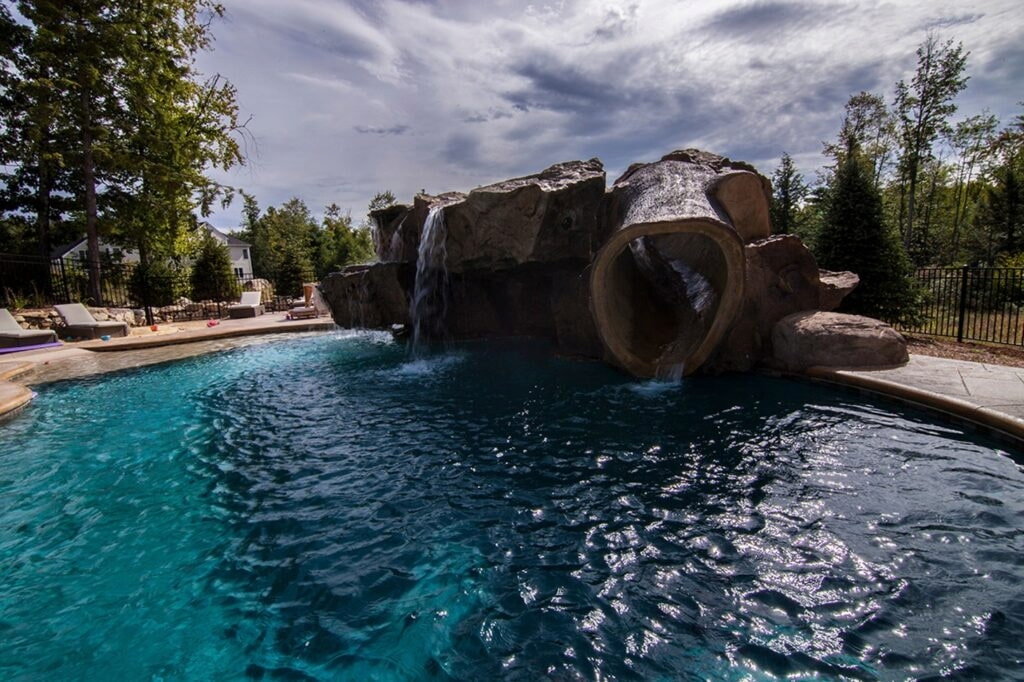
Upgrade Backyard Features With ClifRock Installer NC Coast Services

Creating an attractive backyard involves combining practical outdoor features with materials and designs that complement the surrounding property. Decorative stonework, retaining walls, outdoor fireplaces, and custom architectural elements can add character while improving the functionality of residential spaces. Choosing an experienced ClifRock installer NC coast helps homeowners explore creative possibilities for transforming ordinary outdoor areas into inviting retreats. With thoughtful planning, suitable materials, and professional installation, distinctive stone-inspired features can enhance patios, gardens, swimming pool surroundings, and entertainment areas while supporting the overall coastal outdoor living experience.
Understanding the Appeal of ClifRock Outdoor Features
ClifRock-style architectural elements can introduce texture, dimension, and visual interest into backyard designs. These features may replicate the appearance of natural stone while offering opportunities for customized shapes, finishes, and decorative details. Homeowners can incorporate them into outdoor kitchens, fireplaces, retaining walls, seating areas, and other landscape features. Their versatility makes them suitable for different design preferences, ranging from traditional outdoor environments to contemporary backyard retreats. Selecting features that complement the property's architecture helps establish a consistent and attractive appearance.
Transforming Ordinary Backyards With Decorative Stonework
Decorative stonework can change the character of an outdoor space by introducing visual depth and architectural definition. Stone-inspired columns, accent walls, built-in seating, and raised garden borders can create focal points throughout the backyard. These elements can also help organize larger properties by visually separating entertainment, dining, and relaxation zones. Homeowners should consider how each feature relates to existing paving, landscaping, and exterior finishes. A coordinated design prevents decorative elements from appearing disconnected and creates a more balanced outdoor environment.
Planning the Right Outdoor Design
Every successful outdoor installation begins with understanding the property's available space and intended use. Homeowners should identify which areas need improvement and decide whether decorative stone features will serve practical, aesthetic, or both purposes. Measurements, ground conditions, drainage, sunlight exposure, and existing structures can influence the final design. Planning these details before installation helps avoid unnecessary adjustments and supports a more cohesive result. A clear project outline also makes it easier to select suitable features and establish realistic construction priorities.
Incorporating Stone Features Into Patio Areas
Patios provide excellent opportunities to introduce decorative architectural elements. Stone-inspired columns, accent walls, built-in benches, and raised planters can enhance the appearance of paved outdoor spaces. These additions may also create more defined seating and entertainment areas. Material colors and textures should complement the patio's existing surface and the home's exterior finishes. Homeowners should consider furniture placement and walking space when selecting feature locations. Proper coordination helps maintain convenient movement while giving the patio a distinctive and inviting appearance.
Designing Attractive Outdoor Fireplaces
An outdoor fireplace can become a focal point for relaxation and social gatherings. Decorative stone finishes can help integrate the structure with nearby patios, seating arrangements, and landscaping. Homeowners may prefer a traditional fireplace appearance or a more contemporary design with clean lines and understated finishes. Placement should account for ventilation, appropriate clearances, local safety requirements, and the surrounding environment. Choosing suitable construction materials and professional installation methods helps create an outdoor feature that combines visual appeal with practical functionality.
Enhancing Outdoor Kitchens With Stone Accents
Outdoor kitchens can benefit from decorative finishes that create a distinctive architectural appearance. Stone-inspired facades around cooking stations, counters, islands, and serving areas can help establish a cohesive design. These features may also complement outdoor fireplaces and nearby seating spaces. Homeowners planning a complete entertainment area can explore outdoor kitchen design and installation services to consider layouts and finishes that work well with decorative stone elements. Coordinating materials across different structures can make the entire backyard feel more organized.
Creating Attractive Retaining Walls and Raised Features
Retaining walls can serve practical purposes while adding structure to landscaped properties. They may help define garden areas, create level sections, or introduce visual separation between different outdoor zones. Decorative stone finishes can make these structures more appealing and help them blend with surrounding architectural features. Homeowners should consider soil conditions, drainage requirements, wall height, and structural needs before installation. Proper planning is especially important for retaining structures because appearance alone cannot determine their suitability or long-term performance.
Integrating Stonework With Swimming Pool Surroundings
Swimming pool areas can become more visually appealing when decorative features complement the surrounding environment. Stone-inspired accent walls, raised planters, seating structures, and architectural details may help create a coordinated poolside design. However, homeowners should prioritize suitable surfaces, safe access, and appropriate drainage when planning these additions. Materials used near water should be selected according to their performance and maintenance requirements. Exploring professional pool landscaping solutions can help homeowners understand how decorative structures and greenery can work together around recreational spaces.
Selecting Materials for Coastal Weather Conditions
Coastal properties experience environmental conditions that can influence outdoor construction materials. Humidity, rainfall, sunlight, and salt exposure may affect finishes and surrounding structural components. Homeowners should discuss material suitability, protective treatments, and maintenance expectations before choosing decorative stone features. The installation system and supporting structure should also be appropriate for the intended application. Selecting materials with long-term outdoor performance in mind can help maintain the appearance of backyard improvements while reducing avoidable maintenance concerns.
Combining Stone Features With Natural Landscaping
Landscaping can soften the appearance of architectural stone elements and create a natural connection with the surrounding property. Plants, ornamental grasses, shrubs, and decorative garden beds can introduce color and texture around stone-inspired structures. Homeowners should select plants according to sunlight, soil conditions, and local environmental requirements. Proper spacing is also important to avoid blocking pathways or interfering with structures. A balanced combination of greenery and decorative finishes can create an attractive outdoor environment without making the design feel crowded.
Creating Comfortable Outdoor Seating Areas
Built-in seating is another useful way to incorporate decorative stone features into a backyard. Stone-inspired benches, seating walls, and integrated planters can provide practical places for relaxation while defining different outdoor zones. Cushions and weather-resistant accessories can improve comfort and introduce additional colors and textures. Seating arrangements should provide enough room for movement and remain connected to nearby dining or entertainment areas. Thoughtful placement makes these features more useful while contributing to the overall architectural character of the property.
Improving Outdoor Entertainment Spaces
A well-planned entertainment area should allow guests to move comfortably between cooking, dining, and relaxation zones. Decorative stone columns, outdoor fireplaces, accent walls, and built-in seating can help establish distinct activity areas. Lighting and suitable furniture can further improve the atmosphere during evening gatherings. Homeowners should consider the number of guests they typically entertain and the activities they want to accommodate. Coordinating these features from the beginning helps create an outdoor environment that feels welcoming, functional, and visually consistent.
Understanding Installation and Site Preparation
Proper site preparation is important for the success of decorative outdoor installations. Professionals may need to evaluate ground stability, drainage, existing foundations, utility locations, and access conditions before beginning construction. Some architectural features may require additional structural support depending on their size and intended use. Accurate measurements and appropriate installation techniques help reduce the possibility of uneven finishes or future performance concerns. Addressing these considerations early supports a more organized project and helps ensure that the finished features suit the property's conditions.
Maintaining Decorative Outdoor Features
Regular maintenance helps preserve the appearance of stone-inspired structures and surrounding outdoor areas. Homeowners should follow recommended cleaning procedures and periodically inspect joints, finishes, drainage areas, and supporting components. Removing accumulated dirt, leaves, and debris can help prevent unnecessary deterioration. Landscaping around decorative structures should also be maintained to prevent overgrowth and preserve accessibility. Maintenance requirements depend on the materials and installation methods used, making it important to understand care recommendations before completing the project.
Choosing the Right Installation Professional
Selecting a qualified installer can make a significant difference in the planning and execution of a decorative outdoor project. Homeowners should review previous installations, discuss design possibilities, and understand the materials and methods proposed for their property. It is also useful to ask about project timelines, maintenance expectations, and any relevant construction requirements. Clear communication helps establish realistic expectations and reduces the possibility of misunderstandings. Working with an experienced professional supports a coordinated approach to creating attractive and practical outdoor features.
Conclusion
Decorative stone-inspired features can bring character, structure, and functionality to residential outdoor spaces. From fireplaces and retaining walls to outdoor kitchens, seating areas, and poolside accents, these elements can help create a distinctive backyard environment. Careful material selection, suitable installation methods, and coordinated landscaping are important for achieving lasting results in coastal conditions. Homeowners considering ClifRock installer NC coast services can explore the outdoor living possibilities offered by Seaside Solutions when planning an attractive backyard that combines architectural detail with everyday comfort.



