

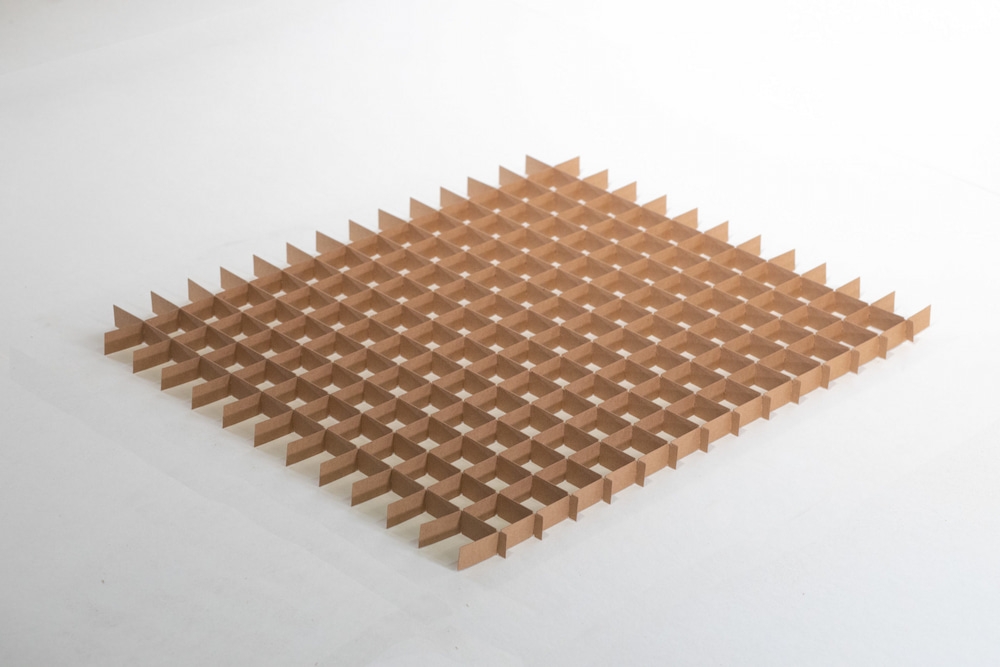

Packaging plays an essential role in protecting products during storage, transportation, and distribution. Businesses handling multiple products need interior packaging that maintains proper separation and prevents unnecessary movement inside shipping containers. Standard packaging arrangements may not always provide the required fit for different product shapes and dimensions. Custom box partitions offer a practical solution by creating individual compartments according to specific packaging requirements. These dividers help businesses improve product organization, support safer transportation, and develop packaging structures that accommodate their products while maintaining consistent handling and distribution practices.
Understanding the Purpose of Custom Partitions
Custom partitions are interior packaging components designed to divide boxes into separate sections for individual products. Their primary purpose is to prevent packaged items from coming into direct contact and reduce unnecessary movement during handling. Unlike standard dividers, customized configurations can be developed according to specific product measurements and container dimensions. This flexibility allows businesses to accommodate different quantities, shapes, and sizes within the same packaging system. Properly designed compartments also help maintain organized product arrangements, making them useful for manufacturers, distributors, and businesses managing multiple product categories.
Improving Product Protection During Transportation
Products can experience vibration, sudden movement, stacking pressure, and repeated handling throughout the shipping process. Without suitable internal separation, individual items may collide, resulting in scratches, breakage, or other forms of damage. Custom partitions create designated spaces that help maintain product positioning inside shipping containers. Their effectiveness depends on appropriate material selection, accurate measurements, and suitable compartment arrangements. Businesses can explore the benefits of using box partitions for shipping items to understand how structured packaging interiors contribute to better product separation and safer transportation.
Accommodating Different Product Dimensions
Every product has unique dimensions and structural characteristics that influence its packaging requirements. Cylindrical bottles, rectangular components, irregularly shaped merchandise, and delicate accessories may require different compartment configurations. Custom partitions allow manufacturers to adjust divider heights, widths, spacing, and overall arrangements according to individual product measurements. This approach helps businesses achieve a suitable fit rather than relying on generic packaging inserts. Accurate measurements are particularly important because properly sized compartments can improve product positioning, reduce unnecessary gaps, and support consistent packaging arrangements across multiple shipping containers.
Supporting Multiple Packaging Materials
Material selection plays an important role in determining the strength, appearance, and functionality of interior packaging. Depending on the application, custom partitions can be manufactured using chipboard, corrugated paperboard, and solid bleached sulfate materials. Each material offers different characteristics that influence its suitability for particular products and transportation conditions. Lightweight products may require simpler structures, whereas heavier or fragile merchandise can need stronger configurations. Businesses should evaluate product weight, compartment dimensions, and expected handling conditions before selecting materials to ensure that the final packaging design meets practical performance requirements.
Improving Packaging Organization and Accessibility
Organized packaging makes it easier for employees to arrange products, inspect shipments, and retrieve individual items when necessary. Custom partitions establish designated compartments that help maintain consistent product placement inside containers. This arrangement can prevent items from becoming crowded or difficult to access during packing and storage activities. Businesses handling multiple products within a single carton can benefit from clearly defined sections that simplify identification and handling. A suitable partition layout also supports more predictable packaging procedures, helping employees maintain organized shipments throughout production, warehousing, and distribution operations.
Enhancing Packaging Design Flexibility
Design flexibility allows businesses to develop packaging interiors that address specific product requirements rather than depending entirely on standard configurations. Custom partitions can be designed with different compartment patterns, divider heights, and structural arrangements according to the intended application. Manufacturers can also consider the dimensions of the outer carton and the number of products being packaged. These adjustments help create practical packaging structures for different merchandise categories. Businesses can explore die cut packaging inserts to understand how customized interior components can support product positioning and specialized packaging arrangements.
Supporting Efficient Packing Operations
Packaging efficiency depends on organized workflows and interior components that are convenient to handle. Poorly fitted dividers may require employees to spend additional time adjusting products or rearranging packaging materials during assembly. Custom partitions provide designated compartments that guide product placement and help establish consistent packing procedures. When their dimensions match the intended products, employees can arrange items more conveniently and reduce unnecessary handling steps. This approach can benefit businesses managing regular production volumes, where predictable packaging operations contribute to smoother workflows and more consistent preparation of outgoing shipments.
Protecting Fragile and Delicate Products
Fragile merchandise requires careful packaging because direct contact and repeated impacts can cause significant damage. Glass containers, ceramic products, electronic components, and decorative items often need individual compartments to maintain separation. Custom partitions can be developed to accommodate the shape, size, and quantity of these products while supporting stable placement inside containers. Their effectiveness depends on suitable material thickness and appropriate compartment spacing. When combined with protective cushioning and properly selected outer cartons, customized dividers can contribute to a more dependable packaging arrangement for products requiring additional care during transportation.
Supporting Different Industry Applications
Custom partitions can serve businesses across several industries with different packaging and product protection requirements. Food and beverage manufacturers may use compartmentalized packaging for bottles and containers, while automotive businesses can organize individual components during shipment. Pharmaceutical companies may require carefully arranged interior packaging for specific products, and electronics manufacturers can benefit from separate sections for delicate parts. Retail and consumer goods businesses may also use customized dividers for organized product presentation. The adaptability of these packaging components allows manufacturers to develop configurations based on individual industry requirements and product characteristics.
Making Better Use of Available Box Space
Effective packaging design considers how products fit inside the available container space. Poorly arranged compartments may create unnecessary gaps, restrict product placement, or leave insufficient separation between individual items. Custom partitions allow manufacturers to develop layouts according to accurate product and box measurements. This approach helps businesses create practical compartment arrangements while maintaining appropriate spacing and product accessibility. Efficient space utilization can also support organized storage and transportation. However, packaging capacity should never take priority over protection, because adequate separation and suitable structural support remain essential considerations.
Reducing Product Damage and Operational Expenses
Damaged shipments can create additional business expenses through replacement products, returns, customer complaints, and additional handling requirements. Inadequate product separation may contribute to preventable damage when items collide during transportation. Custom partitions help address this challenge by establishing individual compartments that support more stable product placement. Although no interior divider can eliminate every transportation risk, a suitable design can reduce unnecessary product contact. Businesses should evaluate common damage patterns and existing packaging limitations to identify opportunities where customized compartment arrangements may improve protection and reduce avoidable distribution expenses.
Supporting Lightweight Packaging Requirements
Businesses often seek packaging materials that provide suitable protection without adding excessive weight to shipments. Heavy interior components can increase transportation costs and make handling more complicated, particularly when products are distributed in large quantities. Custom partitions allow manufacturers to select material specifications according to the weight and characteristics of packaged items. Paperboard materials can provide useful rigidity while maintaining a manageable packaging structure for suitable applications. Choosing appropriate thickness and compartment dimensions helps businesses balance product protection, material consumption, and shipping efficiency without introducing unnecessary bulk into their packaging systems.
Improving Storage and Inventory Management
Organized packaging interiors can contribute to better warehouse storage and inventory management. When products remain separated inside their containers, employees can inspect, count, and retrieve individual items more conveniently. Custom partitions help maintain designated spaces that support consistent product arrangements across multiple cartons. This arrangement can be particularly useful for businesses storing several components or merchandise types within one container. A suitable compartment layout may also reduce unnecessary rearrangement during inventory checks. These benefits support more organized warehouse activities and convenient product handling throughout storage and distribution operations.
Considering Manufacturing Quality and Precision
Manufacturing precision is essential for producing partitions that fit properly inside their intended containers. Incorrect measurements, inconsistent cutting, or unsuitable material thickness can affect compartment stability and product positioning. Professional manufacturing processes consider product dimensions, box specifications, and required divider arrangements before production begins. Sample development can help businesses evaluate the fit and functionality of proposed designs. Reviewing these details before approving larger quantities can reduce the likelihood of manufacturing inconsistencies. Careful attention to production quality helps maintain reliable packaging structures and supports consistent performance across different product shipments.
Choosing the Right Custom Partition Manufacturer
Selecting an appropriate manufacturing partner is important for obtaining packaging components that meet specific business requirements. Companies should evaluate available materials, customization capabilities, manufacturing accuracy, production capacity, and experience with different packaging applications. Clear communication about product dimensions, weight, fragility, and transportation conditions helps manufacturers understand the intended application. Businesses should also discuss order quantities and expected production schedules before finalizing their requirements. Reviewing samples and confirming technical specifications can support informed decisions while helping establish a dependable manufacturing relationship for ongoing packaging needs.
Conclusion
Custom partitions provide businesses with practical opportunities to improve product protection, packaging organization, and transportation efficiency. Their adaptable designs, material options, and individual compartment arrangements make them suitable for various commercial and industrial applications. Proper measurements, suitable material selection, and manufacturing precision are essential for achieving reliable results. Businesses should evaluate their packaging challenges before selecting a suitable configuration. For customized interior packaging requirements and dependable partition manufacturing solutions, General Partition Co Inc can help businesses develop practical packaging components designed around their individual product protection and distribution needs.



