

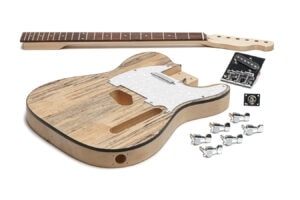
How DIY Guitar Kits Help Builders Understand the Importance of Final Setup Work

A guitar can be fully assembled and still feel unfinished in your hands. That surprises many first-time builders. Once the hardware, strings, and electronics are in place, the instrument still needs careful adjustment before it plays comfortably and stays in tune. Neck relief, string height, pickup position, and intonation all influence the result. This stage is where small measurements suddenly become very real. Skip them, and even a clean-looking build may feel awkward, buzz excessively, or play sharp higher up the neck. In this article, we will discuss why the last adjustment stage matters and what builders can learn from doing it carefully.
Assembly Only Gets the Instrument Partway There
Working with DIY guitar kits makes one thing obvious: fitting the parts together is not the same as making the guitar play well. Once strings are installed, tension changes how the neck behaves, and small alignment issues become easier to notice. For example, a neck that looked straight on the bench may develop enough relief under tension to raise the action. I'd resist the urge to adjust everything immediately. Tune the instrument first, let it settle briefly, then check each measurement in a logical order rather than chasing several problems at once.
Local Conditions Can Change What the Guitar Needs
Builders using DIY guitar kits in Canada may notice that temperature and seasonal humidity influence wood movement after assembly. A guitar completed during a dry winter can feel slightly different months later when indoor humidity rises. That does not mean the build failed. It simply shows why adjustment is an ongoing part of instrument care. Suppose the strings begin buzzing around the middle frets after a seasonal change. The cause may be neck relief rather than the bridge. Learning to identify that difference keeps small corrections from becoming unnecessary hardware changes.
Work Through the Main Checks in a Sensible Order
Even affordable DIY guitar kits can play comfortably when the main adjustments are handled carefully. A simple sequence helps builders avoid correcting the wrong thing first.
- Tune the instrument to the intended pitch.
- Check neck relief before changing bridge height.
- Set string action to a comfortable level.
- Confirm nut slots are not causing obvious issues.
- Adjust intonation after action is reasonably settled.
- Set pickup height only after the strings sit correctly.
The order matters because one adjustment can affect another. Working methodically usually saves more time than repeatedly moving between unrelated settings.
Small Corrections Can Change the Playing Experience
A DIY guitar final setup guide becomes useful because the last few adjustments can change how the whole instrument feels. Imagine a newly finished guitar with action only slightly too high. It may still play, but barre chords become tiring and bends feel stiffer than expected. Lowering the bridge carefully can improve comfort, though going too far may introduce buzzing. That is the tradeoff. More aggressive adjustment can make the guitar feel easier, but it also reduces the margin for fret or neck irregularities. Small, measured changes are usually safer.
Conclusion
The last stage of a build connects assembly work with real playability. Neck relief, string height, nut condition, intonation, and pickup position all deserve attention because small corrections can affect comfort, tuning accuracy, and how consistently the instrument responds.
SOLO Music Gear supports builders, musicians, hobbyists, and repair shops with kits, parts, strings, tools, setup resources, and technical guidance. Its online range serves customers across Canada and the USA with practical options for custom projects, maintenance, upgrades, and repair work.
Frequently Asked Questions
Question: Should setup begin immediately after installing new strings?
Answer: Tune the guitar first and give the strings and neck a little time to settle. Then check relief, action, and intonation before making several adjustments at once.
Question: Why should intonation be adjusted near the end?
Answer: Changes to string height and neck relief can influence intonation. Setting those areas first usually gives you a more reliable starting point for accurate saddle adjustment.
Question: Can a newly built guitar need another setup later?
Answer: Yes. New strings, seasonal humidity, and normal settling can change how the instrument feels. A follow-up check after regular playing is completely normal.



