

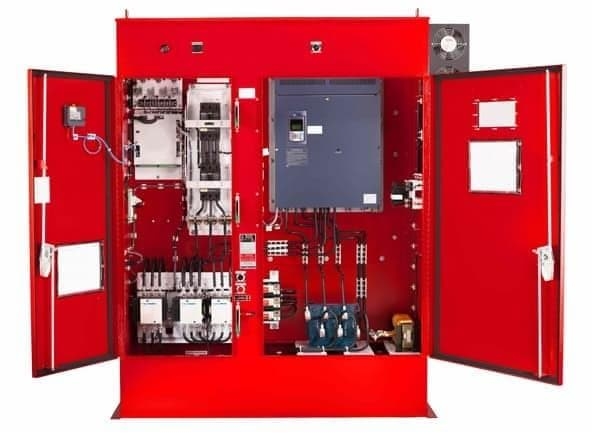
Important Functions of Fire Pump Controllers in Modern Fire Protection Systems

Fire protection systems depend on reliable equipment that can respond quickly when water pressure becomes insufficient during an emergency. Among the essential components, fire pump controllers play a central role by managing pump operation, monitoring system conditions, and supporting dependable performance. These devices help ensure that fire pumps start when required and operate according to their designed functions. Understanding their responsibilities allows facility managers, engineers, and maintenance professionals to make informed decisions about system selection, installation, inspection, and long term operational reliability.
Automatic Starting and Pump Activation
Responding to Pressure Changes
One of the primary functions of a fire pump controller is to initiate pump operation when system pressure falls below a predetermined level. Pressure changes may occur when sprinklers activate, a fire hose is opened, or water demand increases elsewhere in the protected facility. The controller receives signals from pressure sensing equipment and activates the pump according to its programmed settings. This automatic response reduces dependence on manual intervention and helps deliver the required water supply when a fire protection system needs additional pressure.
Supporting Emergency Readiness
Automatic starting is especially important in facilities where immediate water delivery can influence emergency response effectiveness. A properly configured controller helps ensure that the pump is available to operate when pressure conditions indicate a demand. Its settings must correspond with the system design, pump characteristics, and applicable requirements. Incorrect pressure settings or unsuitable control configurations can affect system response. Reviewing these settings during commissioning and scheduled inspections helps confirm that the controller performs its intended role under expected operating conditions. Understanding the standards a fire pump controller must meet can also help professionals recognize the importance of compliant controller selection and installation.
Monitoring Pump Performance and Operating Conditions
Providing Operational Information
Controllers provide valuable information about the operating condition of connected fire pumps. Depending on the controller design, available indicators may include power status, pump running conditions, phase conditions, pressure information, and fault notifications. This information helps maintenance personnel understand whether equipment is operating normally or requires attention. Clear monitoring features also support routine inspections by making important operating details easier to identify. For a broader introduction to controller functions, technical readers can explore what a fire pump controller does.
Identifying Abnormal Conditions
Electrical or mechanical problems can interfere with pump availability and performance. Controller monitoring features may identify certain abnormal conditions, such as power supply problems, phase reversal, low voltage, or other faults depending on the model. These indications help technicians investigate issues before they develop into more serious operational concerns. However, monitoring capabilities vary between controller types and manufacturers. Facility teams should review the product documentation to understand which conditions are monitored, what alarms are provided, and how identified problems should be addressed.
Managing Electrical Power and Motor Operation
Coordinating Electrical Supply
Electric fire pumps require a suitable electrical supply to operate reliably. The controller manages the electrical functions necessary for starting and controlling the connected motor according to its design. It may also provide indications related to incoming power conditions and electrical faults. Reliable power coordination is important because interruptions or irregularities can affect pump operation. Electrical installation, circuit protection, and controller selection should therefore be evaluated together to support dependable performance throughout the service life of the fire protection system.
Supporting Motor Protection and Control
Different controller designs include specific electrical components and operating arrangements suited to the connected motor. These may involve contactors, circuit breakers, monitoring devices, and other control components. Their purpose is to support appropriate motor operation while meeting the requirements applicable to fire pump installations. Unlike ordinary industrial motor controls, fire pump controllers must be selected and configured with fire protection operating requirements in mind. Technical guidance on special rules for electric motor fire pump controllers can help professionals understand important considerations when evaluating these systems.
Supporting Manual Operation and Emergency Control
Providing Manual Starting Options
Although automatic operation is essential, controllers also provide manual controls that allow authorized personnel to initiate pump operation when necessary. These controls can be useful during inspections, testing, maintenance activities, and certain emergency situations. Manual starting arrangements vary by equipment design, so personnel should understand the correct procedures before operating the system. Clear identification of controls and appropriate training can reduce confusion and help ensure that authorized users respond correctly when manual intervention is required.
Maintaining Operational Awareness
Controllers often include switches, indicators, displays, and other interface elements that help personnel understand the current operating state. These features make it easier to determine whether the pump is stopped, running, or experiencing a reported fault. During emergencies, accessible and understandable controls can support faster decisions. Facility managers should ensure that operating instructions remain available and that relevant staff understand the controller's functions. Familiarity with the equipment is particularly important when multiple pumps or control panels serve different sections of a large facility.
Recording Events and Supporting System Diagnosis
Reviewing Operating History
Some modern controllers include event recording capabilities that document selected operating conditions, alarms, starts, and other system activities. This information can help maintenance teams review equipment behavior over time and investigate recurring issues. Event records may also support troubleshooting by identifying when a particular condition occurred. The available information depends on the controller model and its monitoring features. Reviewing these records during scheduled maintenance can provide useful insight into system operation and help technicians identify patterns that may require further investigation.
Improving Maintenance Decisions
Accurate operating information can make maintenance planning more effective. When technicians understand the frequency of pump starts, reported faults, and other recorded events, they can investigate potential causes and prioritize appropriate corrective work. However, electronic records should be considered alongside physical inspections, performance measurements, and manufacturer recommendations. A controller cannot independently confirm that every mechanical component is functioning correctly. Combining its information with a complete maintenance process provides a stronger basis for evaluating equipment condition and maintaining system readiness.
Compatibility With Different Fire Pump Arrangements
Selecting the Appropriate Controller Type
Fire pump systems may use electric motor driven pumps, diesel engine driven pumps, or other arrangements designed for specific facility requirements. Each configuration requires a compatible controller with appropriate operating and monitoring functions. Selection depends on motor or engine characteristics, electrical requirements, system design, installation conditions, and applicable standards. A controller designed for one type of pump should not automatically be assumed suitable for another. Reviewing equipment specifications and consulting qualified fire protection professionals helps reduce compatibility problems.
Considering Installation Requirements
Controller placement and installation conditions also influence accessibility and long term reliability. The equipment should be installed according to its approved instructions and applicable fire protection requirements. Environmental conditions, available space, electrical connections, and access for inspection should be considered during planning. Proper installation allows technicians to operate the panel, examine its components, and perform required maintenance without unnecessary difficulty. Coordination between electrical contractors, fire protection specialists, and facility representatives helps ensure that the controller is integrated correctly into the complete system.
Importance of Inspection, Testing, and Maintenance
Verifying Controller Functions
Regular inspection helps confirm that controller indicators, operating controls, power connections, and other components remain in suitable condition. Testing should follow applicable requirements, manufacturer instructions, and the approved maintenance schedule. Qualified personnel can verify automatic starting, manual controls, alarm functions, and other relevant operating features. Testing the controller as part of the complete fire pump system is important because individual components must work together to provide dependable performance. Additional information about fire pump testing methods can help explain how system performance is evaluated.
Addressing Problems Promptly
Loose electrical connections, damaged components, incorrect settings, and recurring alarms should receive appropriate attention. Delaying investigation may allow minor problems to develop into conditions that affect equipment availability. Maintenance personnel should document identified issues, follow approved troubleshooting procedures, and arrange qualified repairs when necessary. Replacement parts should match the controller's specifications and manufacturer requirements. Keeping maintenance records also helps facility teams track completed work, identify repeated concerns, and plan future service activities more effectively.
Conclusion
Fire pump controllers perform several important functions that contribute to reliable fire protection system operation. They manage automatic starting, support manual control, monitor selected operating conditions, coordinate motor functions, and provide information that assists inspection and troubleshooting. Their effectiveness depends on correct selection, compatible installation, proper configuration, and regular maintenance. Facilities that prioritize these considerations can improve equipment readiness and support dependable emergency water delivery. For technical guidance, equipment information, and assistance with fire pump requirements, Steven Brown & Associates, Inc. provides resources that help professionals evaluate fire protection equipment and related system needs. Additional learning opportunities are available through fire protection maintenance training resources.



