

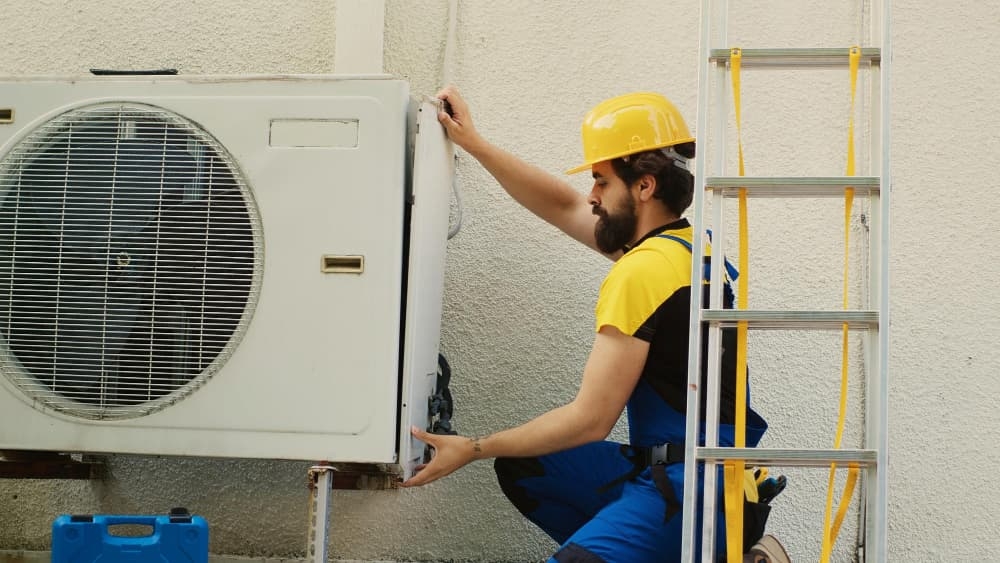

A properly functioning heating and cooling system plays an important role in maintaining household safety and indoor comfort throughout the year. Unexpected equipment failures can create uncomfortable conditions and sometimes introduce serious risks involving electrical components, gas connections, or poor ventilation. When these problems occur, emergency HVAC service becomes essential for identifying dangerous malfunctions and restoring safe system operation. Recognizing warning signs, understanding immediate safety precautions, and contacting qualified professionals can help homeowners protect their families and prevent minor equipment problems from developing into more serious situations.
Understanding the Importance of Emergency HVAC Assistance
Heating and cooling equipment often operates for extended periods, particularly during extreme summer and winter weather. Continuous operation can place considerable demands on motors, electrical connections, thermostats, and other mechanical components. When an important part suddenly fails, the entire system may stop working or operate under unsafe conditions. Professional emergency assistance helps identify the source of the malfunction and determine appropriate repairs. Timely attention can also reduce the possibility of additional equipment damage, helping households maintain suitable indoor conditions during unexpected heating and cooling disruptions.
Protecting Household Comfort and Safety
Extreme indoor temperatures can affect household occupants, especially older adults, young children, and individuals sensitive to temperature changes. A heating failure during freezing weather can create unsafe living conditions, while an air conditioning breakdown during extreme heat may increase the risk of heat-related illness. Prompt professional attention helps restore suitable indoor temperatures and reduces prolonged exposure to uncomfortable conditions. Homeowners should monitor indoor conditions carefully and arrange appropriate assistance when equipment cannot maintain a safe and comfortable environment for everyone inside the property.
Recognizing Warning Signs of HVAC Breakdowns
Unexpected HVAC breakdowns rarely occur without some indication of an underlying problem. Unusual noises, burning odors, weak airflow, frequent system shutdowns, and inconsistent temperatures can signal equipment malfunctions. Some warning signs indicate minor maintenance requirements, while others may point toward dangerous electrical or mechanical failures. Homeowners should avoid ignoring sudden changes in system performance, particularly when multiple symptoms appear together. Recognizing these indicators early helps households determine when professional attention is necessary and reduces the possibility of continuing to operate potentially unsafe equipment.
Unusual Smells and Electrical Problems
Burning plastic odors, smoke, buzzing sounds, or repeated circuit breaker trips can indicate electrical problems inside heating and cooling equipment. Such conditions require immediate attention because damaged wiring and overheating components may create fire hazards. Homeowners should switch off the affected system only when it is safe to do so and avoid touching exposed electrical components. If smoke or flames appear, occupants should leave the property and contact emergency services. A qualified technician can inspect electrical connections, identify damaged parts, and recommend appropriate corrective measures.
Responding Quickly to Heating System Failures
Heating equipment becomes particularly important when outdoor temperatures fall significantly. A sudden furnace shutdown, unusual ignition sounds, or inadequate heat production may indicate problems involving burners, thermostats, motors, or electrical components. Continuing to operate malfunctioning equipment can increase the risk of additional damage. Homeowners should observe the symptoms and arrange professional assistance when heating performance changes unexpectedly. If a carbon monoxide alarm activates or a gas leak is suspected, occupants should leave immediately and contact emergency services from a safe location.
Preventing Cold Weather Safety Risks
Prolonged heating interruptions can make indoor environments uncomfortable and potentially dangerous during freezing conditions. Homeowners should use safe temporary arrangements while waiting for professional repairs. Portable heaters should be approved for indoor use, positioned away from combustible materials, and operated according to manufacturer instructions. Ovens and outdoor cooking equipment should never be used to heat living spaces because they can introduce dangerous combustion gases. Taking appropriate precautions helps protect household occupants until qualified technicians restore the primary heating system.
Addressing Air Conditioning Breakdowns During Hot Weather
Air conditioning failures can create significant discomfort when temperatures and humidity levels become unusually high. A system that stops cooling, produces warm air, or repeatedly shuts down may have compressor problems, refrigerant issues, restricted airflow, or electrical faults. Prompt professional inspection helps identify the underlying cause and determine whether repairs are required. Maintaining suitable indoor temperatures becomes especially important for vulnerable household occupants during heatwaves. Homeowners should arrange assistance when the equipment cannot provide adequate cooling or displays unusual operating behavior.
Preventing Heat-Related Household Problems
High indoor temperatures can contribute to dehydration, exhaustion, and other heat-related health concerns. Homeowners can reduce exposure by closing blinds during direct sunlight, limiting unnecessary heat-producing activities, and maintaining access to drinking water. When indoor conditions become unsafe, occupants should consider moving to an appropriately cooled public location or another safe environment. Professional repair assistance can help restore cooling performance, but household safety should remain the priority while the system is unavailable.
Managing Water Leaks and Refrigerant Concerns
Water around indoor HVAC equipment may indicate a blocked condensate drain, damaged drainage pan, or another mechanical problem. Persistent moisture can damage flooring, walls, and nearby materials while encouraging mold growth. Refrigerant-related problems may also affect cooling performance and cause unusual ice formation or hissing sounds. Homeowners should avoid handling refrigerant lines or attempting internal repairs. If water reaches electrical components, they should stay away from the affected area and arrange professional assistance to prevent potential electrical injuries and further property damage.
Identifying Problems Before They Become Serious
Regularly observing HVAC equipment can help homeowners recognize developing problems before a complete breakdown occurs. Visible moisture, unusual frost, reduced airflow, and unexplained changes in energy consumption may indicate that the system requires inspection. Keeping the area around equipment clean and ensuring accessible filters receive appropriate attention can also support normal operation. However, recurring leaks or refrigerant concerns require qualified diagnosis. Professional technicians can inspect drainage systems, evaluate cooling components, and recommend repairs that protect equipment performance and household safety.
Choosing Qualified Professionals for Emergency Repairs
Selecting an experienced service provider is essential when heating or cooling equipment develops an urgent problem. Homeowners should consider technical qualifications, licensing requirements, insurance coverage, service availability, and experience with different HVAC systems. A dependable professional should explain the identified problem, describe suitable repair options, and provide clear information about expected costs. Transparent communication helps households make informed decisions during stressful situations. Choosing qualified assistance also reduces the possibility of improper repairs that could create additional equipment problems or compromise household safety.
Importance of Timely Professional Diagnosis
An accurate diagnosis helps determine whether a malfunction involves electrical components, mechanical parts, airflow restrictions, or system controls. Professional technicians use appropriate inspection procedures to identify the underlying cause instead of relying on temporary adjustments. They can also explain whether a repair is sufficient or whether equipment replacement deserves consideration. Timely diagnosis helps prevent unnecessary expenses and supports dependable system operation. Homeowners should provide clear information about unusual sounds, smells, shutdowns, and other symptoms to help technicians assess the situation efficiently.
Preparing Homes to Reduce Future HVAC Emergencies
Preventive maintenance is one of the most effective ways to reduce unexpected heating and cooling failures. Seasonal inspections allow technicians to examine important components, identify worn parts, check airflow, and evaluate overall equipment performance. Homeowners can explore professional heating and cooling services to understand available maintenance and equipment care options. They can also follow manufacturer recommendations for filter replacement and thermostat operation. Keeping outdoor units free from leaves and debris supports proper airflow. These practices help maintain system efficiency and reduce unnecessary equipment strain, although they cannot eliminate every possibility of an unexpected mechanical or electrical failure.
Building a Reliable Maintenance Routine
A consistent maintenance schedule helps prepare heating equipment before winter and cooling systems before summer. Homeowners should arrange professional inspections according to equipment requirements and address unusual operating behavior promptly. Regular comfort plan maintenance can also help keep essential system components in suitable working condition. Maintaining service records can identify recurring problems and provide technicians with useful equipment history. In addition, checking smoke alarms and carbon monoxide detectors supports broader household safety. Combining preventive maintenance with timely professional assistance helps households manage HVAC equipment responsibly and maintain dependable indoor comfort.
Conclusion
Unexpected heating and cooling breakdowns can affect household comfort, equipment performance, and personal safety. Recognizing warning signs such as burning odors, unusual noises, water leaks, electrical problems, and sudden temperature changes helps homeowners respond before conditions become more serious. Professional inspections, timely repairs, and regular preventive maintenance all contribute to safer system operation. Homeowners seeking dependable assistance with heating and cooling concerns can consider Young's Home Comfort when exploring suitable comfort solutions. Taking a proactive approach to equipment care helps protect household occupants and maintain a comfortable indoor environment throughout every season.



