

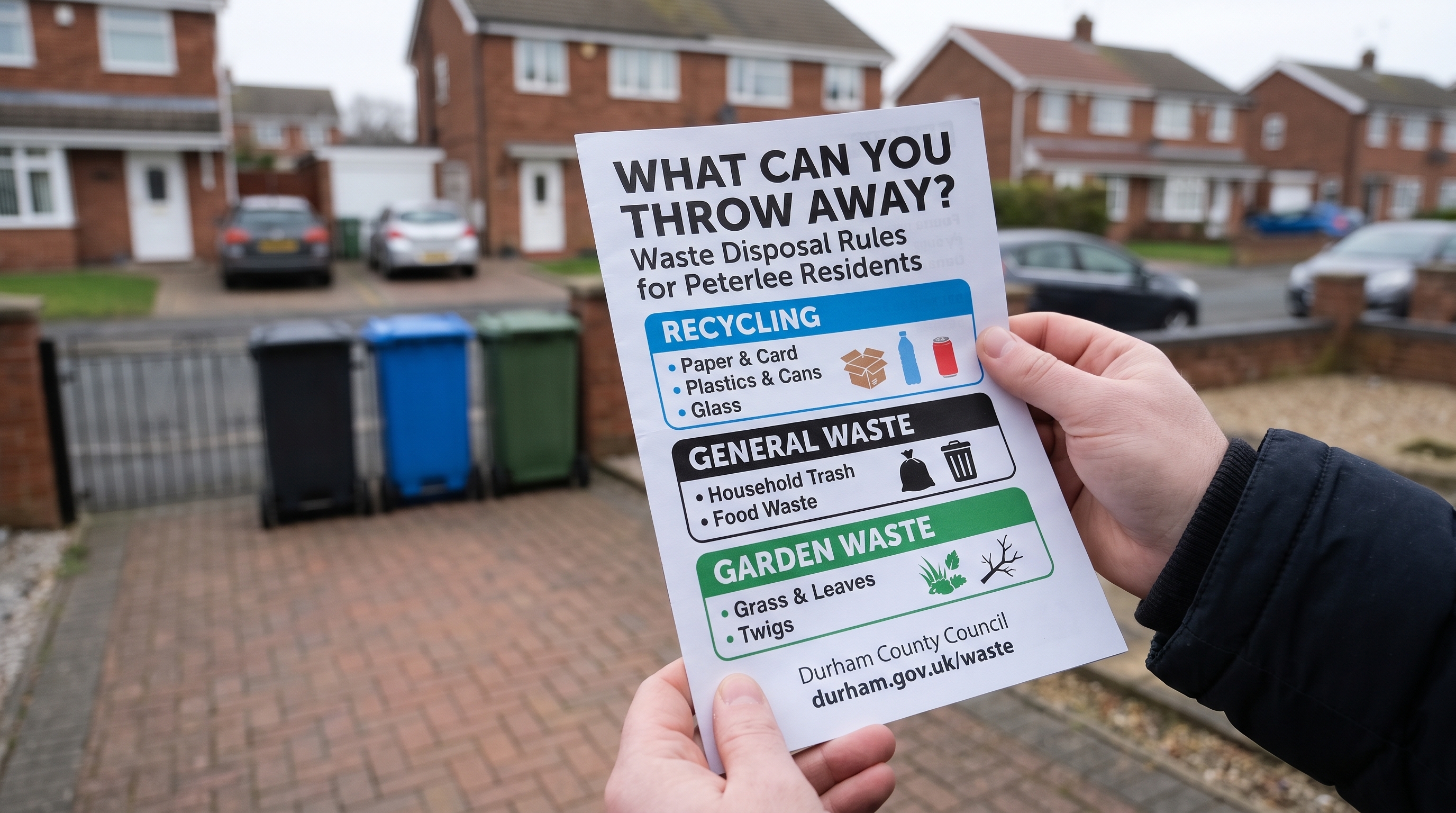
What Can You Throw Away? Waste Disposal Rules for Peterlee Residents
Knowing what belongs in your bins, what needs a trip to the recycling centre and what should be collected by a professional is the first step to getting rid of household rubbish properly. If you are unsure about the rules for waste disposal Peterlee, you are not alone. Many residents put the wrong items in the wrong bin, or leave bulky waste outside, only to face missed collections or even penalties. This guide explains the basics so you can dispose of your waste safely, legally and with less stress.
Start With Your Household Bins
Most everyday waste goes into the bins provided by your local council. In general, these are split into a few streams:
- General waste: non-recyclable items such as food-soiled packaging, broken household items and nappies
- Dry recycling: clean paper, cardboard, tins, cans, glass bottles and jars, and many plastic containers
- Garden waste: grass cuttings, leaves, hedge trimmings and small branches, often collected through a separate bin or paid scheme
Rules and collection days can change, so always check your council's current guidance. Peterlee falls under Durham County Council, whose website lists exactly what each bin accepts and when collections take place.
A common mistake is putting dirty or greasy items in the recycling. A pizza box with food residue, for example, can contaminate a whole load. Give containers a quick rinse, and when in doubt, check the label or the council's guide.
Items You Should Never Put in Your Bin
Some items are dangerous or harmful to the environment and must never go in general waste. These include:
- Batteries: they can start fires in bin lorries and recycling plants
- Paint, solvents and chemicals: these are classed as hazardous waste
- Gas cylinders and fire extinguishers: a serious explosion risk
- Asbestos: it needs specialist removal and disposal
- Electrical items: known as WEEE, they contain materials that need proper recycling
- Light bulbs and fluorescent tubes: some contain hazardous substances
Small batteries and electricals can often be returned to supermarkets or retailers. Larger or more hazardous items usually need to go to a household waste recycling centre or be collected by a licensed professional.
Bulky Waste: Sofas, Mattresses and Appliances
Large items will not fit in a standard bin, and leaving them on the pavement or in a back lane is not allowed. Your options include:
- Council bulky waste collection: often available for a fee, and usually needs to be booked in advance
- Household waste recycling centre: you can take items yourself, though some centres limit vehicle types and quantities
- Charity donation: furniture and appliances in good condition may be reused
- Professional rubbish removal: a licensed company can collect, load and dispose of the items for you
For anyone without a vehicle, or facing a heavy or awkward load, a professional collection is usually the easiest route.
Garden and DIY Waste
Garden waste is usually accepted through a green bin or at the recycling centre, but soil, turf and rubble are treated differently. DIY and building waste, such as plasterboard, tiles, bricks and timber, is often not accepted in household bins at all. Some recycling centres restrict or charge for this type of waste, so check before you travel.
If a tradesperson is working at your home, remember that you still share responsibility for making sure their waste is disposed of correctly. Ask how they will dispose of it and whether they hold a valid waste carrier licence.
Understand Your Duty of Care
Every householder in the UK has a legal duty of care for their waste. This means you must take reasonable steps to make sure it is handled by someone authorised to do so. If you hand your rubbish to an unlicensed person and it ends up fly-tipped, it can be traced back to you, which may lead to fines or prosecution.
To protect yourself:
- Ask for the carrier's Environment Agency waste carrier registration number and check it on the public register
- Get a written quote or receipt
- Be cautious of unsolicited offers on doorsteps or social media with no company details
- Keep a record of who collected your waste and when
Why Fly-Tipping Affects Everyone
Fly-tipping is not just an eyesore. Dumped waste can harm wildlife, pollute soil and water, and create fire and safety hazards. In a town like Peterlee, dumped rubbish in back lanes, green spaces or verges can quickly make an area feel neglected. Clearing it up costs local authorities and taxpayers money that could be spent on other services. Leaving bags beside full bins, dumping items in a quiet lane or handing waste to an unknown collector may all contribute to the problem, even when you did not intend it. Using official routes and licensed carriers keeps your neighbourhood cleaner and keeps you protected.
Tips for Common Household Situations
Different situations call for different approaches:
- Moving house: start sorting early, donate what you can and book a collection for the rest
- Clearing a loft or garage: separate hazardous items such as paint and chemicals from general rubbish
- Renovation work: ask your builder who is responsible for removing rubble and old fittings
- End of tenancy: arrange removal before your final inspection to avoid deductions
- Christmas and busy periods: collection dates can change, so check the council's calendar and keep extra waste for the recycling centre or a professional
Reduce, Reuse and Recycle
The best way to simplify waste disposal is to produce less waste in the first place. A few small habits make a real difference:
- Buy only what you need and choose products with less packaging
- Repair or donate items instead of throwing them out
- Compost food and garden scraps if you have the space
- Sort recycling at home so it is ready for collection day
These steps reduce pressure on landfill, lower disposal costs and help keep Peterlee cleaner.
When to Call a Professional
There are times when doing it yourself is not practical. Full house clearances, garage or loft clearances, end-of-tenancy rubbish and large volumes of garden or building waste are all good examples. A professional service can sort, load and responsibly dispose of everything in one visit, saving you time and effort, and giving you peace of mind that your waste has been handled lawfully.
Final Thoughts
Waste disposal does not need to be complicated. Use your household bins correctly, keep hazardous items out of them, plan ahead for bulky waste and always use a licensed carrier when you hire help. A few minutes spent checking the rules can save you money, protect the environment and keep you on the right side of the law.



