

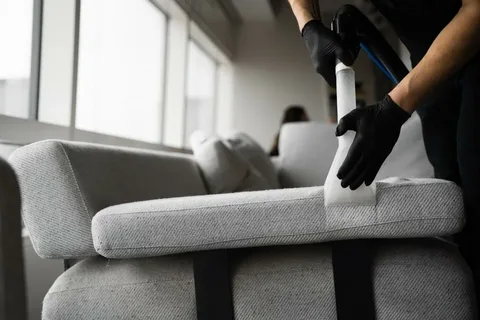

A clean and comfortable interior can make a meaningful difference in how people experience their homes and workplaces. Furniture plays an important role in everyday comfort, but its fabric surfaces often collect dust, dirt, spills, and other particles through regular use. Sofas, chairs, cushions, and other upholstered items can gradually lose their fresh appearance when they are not maintained properly. Even when furniture looks clean from a distance, small particles may remain trapped within the fabric. Regular care helps preserve its appearance, improve comfort, and create a more welcoming environment. Giving attention to furniture is an important part of maintaining an attractive and well-kept indoor space.
The Value of Proper Furniture Care
Furniture requires consistent attention to remain clean, comfortable, and presentable. Upholstery Cleaning in Highland Park IL can help remove accumulated dirt, everyday stains, and unwanted particles from fabric-covered furniture. Sofas and chairs are used frequently, making them especially vulnerable to spills, body oils, dust, and general wear. Over time, these materials can affect the color, texture, and overall freshness of upholstery. Professional cleaning methods are designed to address different fabric conditions while helping protect the material. Regular care also makes it easier to maintain a pleasant indoor atmosphere and keep frequently used furniture looking its best.
Understanding Common Upholstery Problems
Upholstered furniture faces several everyday challenges that can affect its condition. Food and beverage spills may leave visible marks, while dust and dirt can gradually settle deep within fabric fibers. Pet hair, odors, and oils from regular contact may also contribute to an unclean appearance. Some stains become more difficult to remove when they are left untreated for long periods. Using unsuitable cleaning products can create additional problems, including discoloration or fabric damage. Understanding the type of material and the nature of the stain is important before choosing a cleaning method. Careful treatment helps reduce unnecessary wear and supports better furniture maintenance.
Maintaining a Fresh Indoor Appearance
Furniture often serves as a central feature in living rooms, reception areas, offices, and other shared spaces. Clean upholstery can make these areas look more organized and inviting. On the other hand, visible stains, faded fabric, and unpleasant odors may affect the overall impression of an otherwise attractive room. Maintaining sofas, chairs, and cushions helps create a cleaner appearance without requiring frequent furniture replacement. Businesses can also benefit from keeping waiting areas and customer seating presentable. A consistent furniture care routine demonstrates attention to detail and helps create a comfortable experience for family members, employees, guests, and visitors.
Supporting Better Indoor Cleanliness
Fabric-covered furniture can hold dust, allergens, pet dander, and other small particles. These materials may accumulate through daily activities and become difficult to remove with basic surface cleaning. Regular vacuuming can help manage loose debris, while deeper cleaning may be needed to address particles trapped within the fibers. Keeping furniture clean can contribute to a fresher indoor environment, especially in rooms where people spend considerable time. It is also helpful to maintain good ventilation and address spills promptly. Combining these simple habits with suitable cleaning methods supports a more comfortable space and helps prevent unnecessary buildup.
Selecting Appropriate Cleaning Methods
Different upholstery fabrics require different levels of care. Natural fibers, synthetic materials, delicate fabrics, and blended textiles may respond differently to moisture and cleaning solutions. Before treating furniture, it is important to identify the material and review any available care instructions. Some surfaces may require low-moisture techniques, while others can tolerate carefully controlled water-based cleaning. Testing products on a small, hidden area can help identify possible discoloration or damage before treating the entire surface. Professional cleaners can assess the fabric and select an appropriate approach. Using suitable methods helps protect the furniture while improving its overall condition.
Protecting Furniture From Everyday Wear
Simple habits can help reduce the effects of daily use on upholstered furniture. Rotating cushions regularly may distribute pressure more evenly and prevent certain areas from wearing faster than others. Keeping food and drinks away from delicate furniture can reduce the likelihood of accidental spills. Using suitable covers in high-use areas may also provide an additional layer of protection. Direct sunlight can gradually affect some fabrics, so adjusting furniture placement or using window coverings may help preserve color. These practical steps do not eliminate the need for cleaning, but they can support better long-term furniture care.
Creating a Consistent Maintenance Routine
A practical maintenance routine should reflect how frequently furniture is used and the type of fabric involved. Frequently used sofas and chairs may need more attention than furniture in guest rooms or occasional-use spaces. Regular vacuuming, prompt stain treatment, and periodic professional care can help maintain a cleaner appearance. It is also important to avoid excessive moisture because furniture that does not dry properly may develop unpleasant odors. Planning cleaning sessions at suitable intervals makes maintenance easier to manage. Consistent attention can prevent minor issues from becoming more difficult and time-consuming to address.
Preserving the Life of Upholstered Furniture
Furniture replacement can be expensive, particularly when several large items need to be updated at once. Proper maintenance helps protect this investment by addressing dirt, stains, and everyday wear before they cause lasting problems. Cleaning suitable fabrics can help preserve their texture, color, and comfort. Regular inspections may also reveal loose seams, damaged areas, or other concerns that need attention. Taking care of furniture does not guarantee that it will remain in perfect condition indefinitely, but responsible maintenance can help extend its useful life. A thoughtful approach supports both appearance and long-term value.
Making Indoor Spaces More Inviting
Clean furniture contributes to a pleasant environment where people can relax, work, and spend time together. Maintaining upholstered surfaces should be part of an overall cleaning routine rather than something considered only when visible stains appear. Combining regular household care with appropriate professional attention can help keep furniture fresher and more presentable. Every fabric has its own requirements, so selecting suitable cleaning methods is essential. With consistent maintenance and careful handling, upholstered furniture can remain comfortable, attractive, and ready for everyday use.



