


Relocating to a new property involves several responsibilities that require time, preparation, and careful coordination. From organizing personal belongings to arranging transportation, each stage plays an important role in creating a smooth moving experience. Without proper planning, packing and transporting household or business items can become stressful and time-consuming. Having a clear understanding of the process helps people prepare for unexpected situations and protect their valuable possessions. Whether someone is moving a small apartment, a family home, or a larger property, thoughtful organization can make the transition easier. Reliable assistance and practical preparation allow individuals to focus on their next chapter with greater confidence.
Understanding Professional Moving Assistance
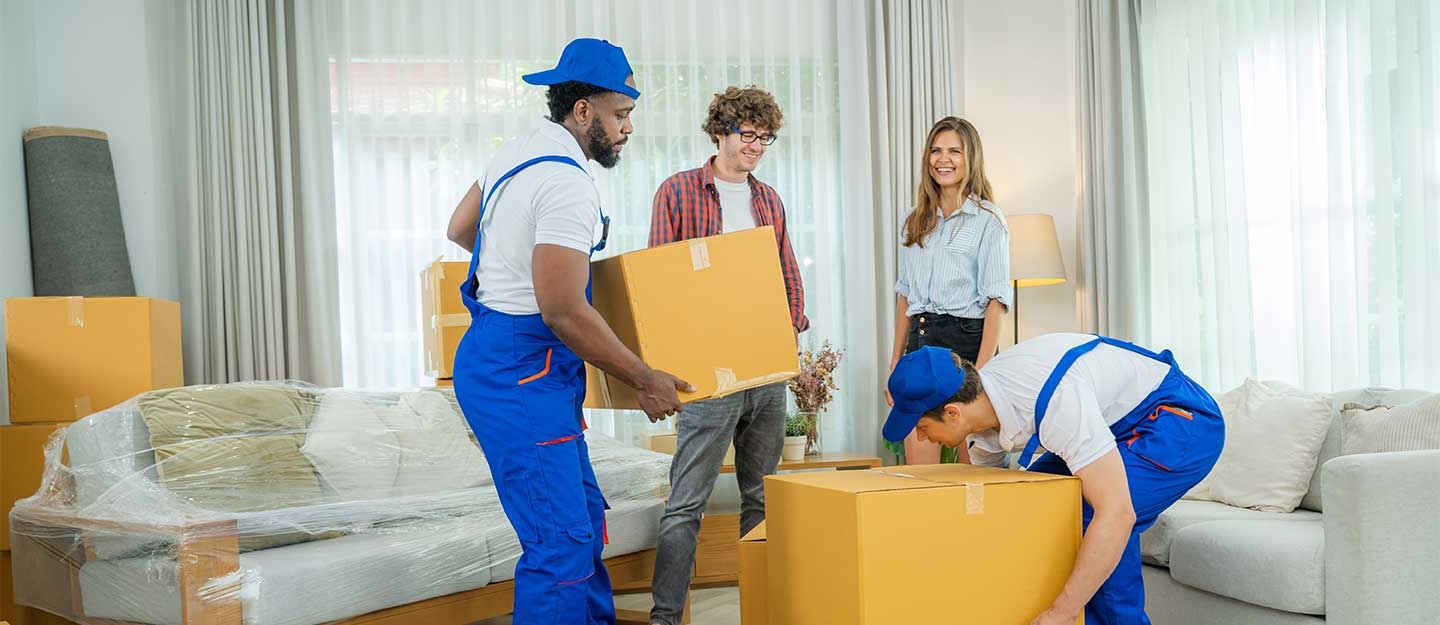
Relocation involves more than simply placing belongings inside a vehicle and transporting them to another location. Movers in Brooklyn NY can help individuals and families manage different stages of the process, including packing, loading, transportation, and unloading. Professional assistance can be particularly useful when handling heavy furniture, delicate possessions, and large household equipment. Before arranging a move, customers should consider the number of items, the size of the property, and any special handling requirements. Sharing these details in advance helps establish realistic expectations and supports better planning. A properly organized process reduces unnecessary confusion and makes it easier to keep belongings protected throughout the journey.
Preparing Belongings Before Moving Day
Preparation is one of the most effective ways to reduce stress during relocation. Before packing begins, it is useful to review each room and decide which possessions should be transported, donated, recycled, or discarded. Reducing unnecessary belongings can save packing materials, transportation space, and time. Items should be grouped according to their type and destination so that boxes remain organized. Frequently used possessions can be packed closer to moving day, while seasonal items and decorations can be prepared earlier. Creating a simple inventory also makes it easier to track important belongings. These steps help prevent last-minute confusion and create a more manageable schedule.
Choosing Suitable Packing Materials
Using appropriate packing materials helps protect belongings from scratches, breakage, and other damage. Strong cardboard boxes, packing paper, bubble wrap, and protective covers can provide support for different household items. Fragile objects such as glassware, mirrors, and decorative pieces should receive extra cushioning before being placed inside boxes. Heavy items are usually easier to handle when packed in smaller containers, while lighter belongings can be placed in larger boxes. Labels should clearly identify box contents and destination rooms to simplify unloading. Proper packing does not need to be complicated, but it should be consistent and carefully organized to keep possessions secure during transportation.
The Importance of Reliable Moving Support
Depending on the customer's requirements, support may include furniture preparation, careful loading, transportation, unloading, and placement of belongings. Movers Services in Brooklyn NY can provide practical assistance for people who want to make relocation more organized and less physically demanding. Professional teams can also help manage items that require additional attention because of their size, weight, or delicate construction. Before selecting assistance, customers should discuss the expected schedule, access conditions, and any special requirements. Clear communication helps avoid misunderstandings and makes it easier to coordinate each stage. Understanding what is included in the service also allows customers to plan their budget and responsibilities more effectively.
Handling Furniture and Large Items
Large furniture pieces require careful preparation because they can be difficult to move through narrow hallways, staircases, and doorways. Tables, beds, cabinets, and shelving units may need to be disassembled before transportation. Keeping screws, fittings, and removable parts together makes reassembly easier after arrival. Protective blankets and suitable wrapping can help prevent scratches and dents while furniture is being carried or loaded. Appliances should also be prepared according to their handling requirements before transportation. Measuring large items and checking access points at the destination can prevent unexpected difficulties. Careful handling helps preserve valuable possessions and supports a safer moving process.
Creating an Effective Moving Schedule
A clear schedule helps keep relocation activities organized and prevents important tasks from being overlooked. Customers should establish packing deadlines, confirm transportation arrangements, and review any access requirements at both properties. Buildings may have specific rules regarding loading areas, elevators, parking, or permitted moving hours, so these details should be checked early. It is also useful to prepare a separate bag or box containing essential documents, chargers, toiletries, and basic daily supplies. Keeping these items accessible avoids the need to search through multiple containers after arrival. A realistic timeline gives everyone involved a better understanding of what needs to happen and when.
Maintaining Safety Throughout Relocation
Safety should remain a priority during packing, loading, transportation, and unloading. Heavy boxes and furniture can cause injuries when they are lifted without suitable techniques or equipment. Keeping pathways clear helps prevent trips and falls, while stable box stacking reduces the risk of items falling unexpectedly. Children and pets should stay away from active loading areas to avoid accidents. Fragile belongings should be placed securely so that they do not shift during transportation. Customers should also identify items that need special handling before moving begins. Paying attention to these details creates a safer environment and helps the process continue without unnecessary interruptions.
Organizing the New Space
After reaching the destination, an organized unloading process can make settling in more comfortable. Boxes should be placed in their designated rooms so that belongings can be unpacked without unnecessary movement. Essential furniture and household equipment can be arranged first, followed by kitchen supplies, clothing, and decorative items. Checking the delivered belongings against an inventory helps confirm that everything has arrived. It is often better to unpack gradually rather than trying to complete every task immediately. Prioritizing important rooms creates a functional living environment while leaving enough time to arrange the remaining items properly.
Avoiding Common Moving Challenges
Unexpected problems can make relocation more difficult, but many of them can be reduced through careful preparation. Last-minute packing, unclear instructions, insufficient materials, and poor scheduling often create unnecessary delays. Customers should confirm important arrangements before moving day and communicate any changes as early as possible. Weather conditions, traffic, parking availability, and building access can also influence the schedule. Keeping important contact information available helps resolve questions quickly if circumstances change. A flexible approach allows individuals to respond to unexpected situations without losing track of their priorities. Good preparation supports a more controlled and efficient relocation experience.
Making a Positive New Beginning
A successful relocation creates an opportunity to begin again in a different environment with greater comfort and organization. Careful planning, suitable packing materials, responsible handling, and clear communication all contribute to a better experience. Choosing appropriate assistance can reduce physical effort and help protect belongings throughout the journey. Once everything has been delivered, taking time to arrange the new property makes it easier to settle into a familiar routine. By approaching each stage thoughtfully, individuals can turn a demanding responsibility into a more manageable transition. The right preparation helps make the entire experience more organized and rewarding



