

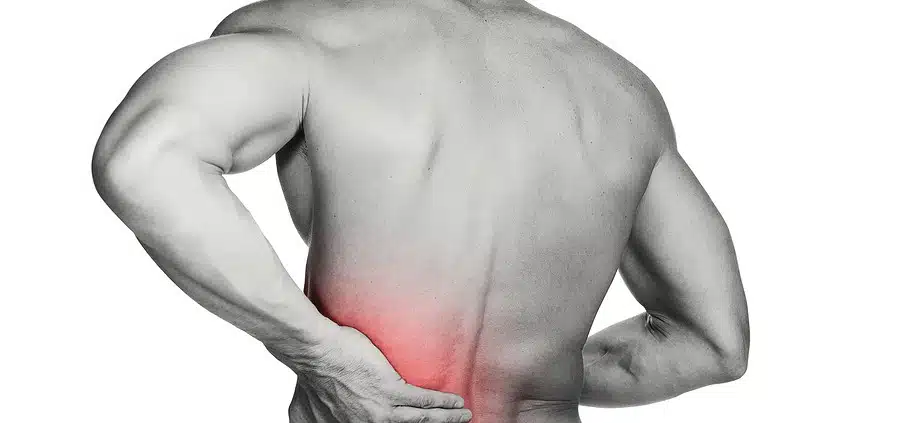

Premier Pain Centers and Dr. Rao K. Ali helped women in Allen, Palmer, Bardwell, Garrett, and Alma find the cause of back pain radiating down leg. We take time to listen, explain what is happening, and build a safe plan that fits your life, work, and family. Many women push through leg pain while caring for kids, work, and home.
You may blame your shoes, your mattress, or a long day on your feet. But when a burning or tingling line runs from your back into your leg, it often points to an irritated nerve. Women can face extra triggers, such as pregnancy, hormone changes, and bone thinning with age. Knowing the likely cause is the first step toward feeling better. five common ones.
Why Back Pain Radiating Down Leg is Common in Women?
The nerves that travel from your lower spine to your legs pass through tight spaces. Searching for back pain treatment in Allen can be tiring when you are already hurting. A primary care visit can be a good start for new pain. If leg pain lasts or keeps returning, a spine specialist in Allen can look deeper into the cause and offer care that goes beyond rest and pills.
Many women ask for the best back pain clinic in Allen, but the best choice is the one that fits your needs. Look for a team that listens, explains in simple words, and offers more than one type of care. You should never feel rushed into a procedure. Local care also makes follow up easier, so you can stay on track without long drives that may flare pain.
1. Herniated or Bulging Disc
Discs are soft cushions between the bones of your spine. If one bulges or leaks, it may press on a nearby nerve. This can cause pain that starts in the lower back and travels through the hip into the leg. Lifting a child, carrying groceries, or twisting the wrong way can trigger it. It may also build slowly over years of sitting and bending.
The pain often feels sharp or burning, and it may get worse when you cough, sneeze, or sit. Some women also notice tingling or numbness in the foot. Many disc problems improve with time and gentle care, depending on how severe they are. A doctor can confirm the cause with an exam and, if needed, imaging.
2. Pregnancy Related Nerve Pressure
Pregnancy changes the body quickly. A growing belly shifts your posture, and hormones loosen the ligaments around the pelvis. Together, these changes may put pressure on nerves in the lower back and hip. Many women feel back pain that spreads into one leg, especially in the later months. Lying on your back or standing too long may make it worse.
Most pregnancy related leg pain eases after delivery, but it can be hard to live with in the meantime. Safe options may include gentle stretching, support belts, and changing sleep positions. Always check with your doctor before taking any medicine or starting new exercise during pregnancy. Report sudden weakness or numbness right away.
3. Spinal Stenosis and Age Related Changes
Spinal stenosis means the space around the spinal nerves has become narrow. It is more common with age, and women may notice it after menopause as joints and discs change. Bone thinning can also add to back pain, and small spine fractures can cause pain too. Lower back pain that radiates down both legs is a classic sign of stenosis.
Walking or standing may bring on heaviness or cramping, while sitting or leaning forward often brings relief. Because this problem develops slowly, many women think it is just part of getting older. It is not something you have to accept. Treatment may include exercise, injections, or other care, depending on how much the nerves are affected.
4. Piriformis Syndrome
The piriformis is a small muscle deep in the buttock. The sciatic nerve runs close to it, and in some people it passes right through or beneath it. When this muscle tightens from long sitting, running, or weak hips, it may squeeze the nerve. The result can be pain in buttocks shooting down leg, sometimes with a deep ache in the hip.
This cause is often missed because the spine may look normal on a scan. Pain may be worse after sitting on hard seats or driving long distances. A hands-on exam helps tell it apart from a disc problem. Stretching, hip strengthening, and posture changes often help, and some cases may need targeted injections.
5. Sacroiliac Joint Problems
The sacroiliac joints connect the base of the spine to the pelvis. Pregnancy, childbirth, arthritis, or an old fall can leave these joints too stiff or too loose. Pain usually sits low on one side of the back or buttock. It may reach the thigh or down the back of the leg.
This pain may feel worse when climbing stairs, getting out of a car, or turning in bed. It can look like sciatica, so careful testing matters. Care may include therapy, a support belt, and, for some people, injections that calm the joint. A clear diagnosis helps you avoid treatments that do not match the problem.
Signs You Should See a Doctor
Most leg pain from the back improves with time and the right care. Still, some signs mean you should not wait. Call a doctor if pain keeps you from daily tasks or does not ease after a few weeks. Seek emergency care for the last sign on this list. Watch for these signs.
-
Pain that lasts longer than four to six weeks
-
Numbness or tingling in the leg or foot
-
Weakness when lifting the foot or climbing stairs
-
Pain that wakes you at night
-
Pain after a fall, accident, or heavy lifting
-
Loss of bladder or bowel control, which needs emergency care
Non Surgical Ways to Ease Leg and Back Pain
Many women are relieved to learn that surgery is not the first answer. Non surgical back pain treatment in Allen often begins with staying gently active, since too much bed rest can make the back stiffer. Short walks, light stretching, and core exercises can help. Heat may calm tight muscles. Your doctor may also review your medicines and suggest changes in how you sit, lift, and sleep.
When home care is not enough, targeted treatment may help. This can include physical therapy, nerve calming injections, or other procedures chosen for your condition. The goal is to lower inflammation around the irritated nerve so you can move more freely. Relief varies from person to person, depending on the underlying cause. Your doctor should explain each option, including risks, so you can choose with confidence.
How Epidural Injections May Help?
An epidural steroid injection places anti-inflammatory medicine near the irritated nerve in the spine. It is often done with X-ray guidance so the medicine goes where it is needed. The visit is usually short, and most people go home the same day. Relief may last weeks or months, and some people need more than one injection.
An injection is rarely meant to work alone. It often creates a window of less pain so you can start exercise and therapy that protect your back. At Premier Pain Centers, Dr. Rao K. Ali reviews your history and scans before suggesting this step. Not everyone is a good candidate, so your health and safety come first.
Conclusion
You do not have to keep planning your life around leg pain. Back pain radiating down leg often has a clear cause, and a proper exam can point the way to safe, steady relief. Care may look different for each woman, depending on the underlying condition. Premier Pain Centers welcomes patients from Allen, Palmer, Bardwell, Garrett, and Alma. Dr. Rao K. Ali and our team are ready to listen and guide you. Book an appointment today and take the first step toward walking with less pain.
FAQs
Can pregnancy cause back pain that travels down the leg?
Yes, it can. Posture changes, loose ligaments, and pressure from the growing baby may irritate nerves. Talk to your doctor before using any medicine or treatment during pregnancy.
Can menopause affect back and leg pain?
It may. Hormone changes can affect bone strength and joint health, which may add to back problems over time. A doctor can check what is causing your pain.
Is walking good for sciatica?
Gentle walking often helps because it keeps the back moving. Start with short walks and stop if pain gets much worse.
Does sciatica show up on an MRI?
An MRI can show a bulging disc or narrowed space pressing on a nerve. Scans do not always match symptoms, so your exam matters just as much.
Is leg pain from the back ever an emergency?
Rarely, yes. Sudden leg weakness, numbness in the groin, or loss of bladder or bowel control needs emergency care right away.



