

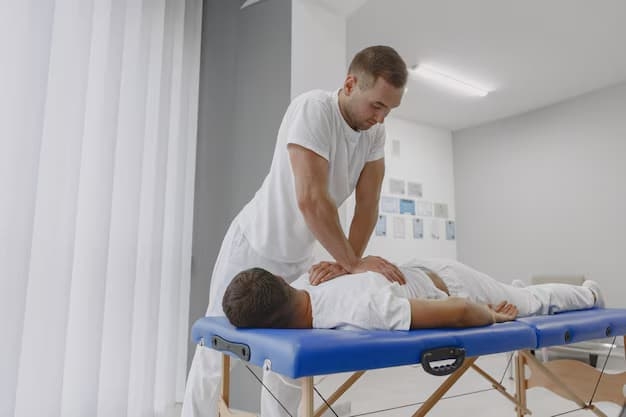
How Peak Performance Chiro Supports Individual Chiropractic Wellness Goals

Every individual has different physical needs, lifestyle demands, and wellness expectations. Some people want to improve everyday mobility, while others seek professional guidance for recurring back discomfort, neck stiffness, or muscular tension. Personalized chiropractic care considers these differences when developing suitable treatment recommendations. Individuals exploring peak performance chiro services may benefit from understanding how professional assessments, customized techniques, and ongoing progress reviews contribute to an individualized wellness journey. A thoughtful approach focuses on identifying personal concerns, understanding movement patterns, and selecting appropriate care options rather than applying identical treatments to everyone.
The Importance of Personalized Chiropractic Assessments
Understanding Health History and Physical Concerns
An initial chiropractic assessment provides an opportunity to discuss medical history, previous injuries, current symptoms, and everyday physical challenges. The chiropractor may ask about work responsibilities, exercise habits, sleeping positions, and activities that contribute to discomfort. These details help establish a clearer picture of the individual's physical condition. A detailed discussion also allows the professional to identify potential factors that may influence treatment decisions. Patients should communicate openly about existing medical conditions, medications, and previous healthcare experiences to support appropriate evaluation and responsible recommendations.
Evaluating Posture and Movement Patterns
Posture and movement patterns can influence how different body regions respond to everyday activities. Prolonged sitting, repetitive movements, and physically demanding responsibilities may contribute to muscular tension or restricted mobility. During an assessment, a chiropractor may observe posture, joint movement, spinal mobility, and relevant areas of physical discomfort. These findings help determine whether particular movement limitations require attention. Individuals experiencing hip discomfort can also explore common hip pain causes and what symptoms may indicate to understand how different musculoskeletal concerns can affect everyday movement.
Developing Chiropractic Care Around Personal Needs
Selecting Suitable Treatment Techniques
Once the assessment is complete, the chiropractor may discuss treatment options based on the individual's health circumstances and wellness goals. Techniques may include spinal adjustments, gentle joint mobilization, or other conservative approaches when appropriate. The selected method should reflect the person's comfort, medical history, and clinical findings. Not every individual requires the same technique, and some conditions may require additional medical evaluation before chiropractic treatment is considered. Explaining the purpose and limitations of each recommendation helps individuals participate more confidently in decisions about their care.
Considering Gentle Chiropractic Approaches
Some individuals prefer treatment methods involving controlled movement and less intensive techniques. Depending on the assessment, a chiropractor may discuss options such as flexion distraction for selected spinal concerns. This technique uses a specialized table to create controlled spinal movement and may be appropriate for certain individuals. Its suitability depends on clinical findings and relevant health factors. People interested in learning more can read about flexion distraction as a gentle approach to spine care. Understanding available options allows individuals to discuss their preferences before treatment begins.
Supporting Everyday Mobility and Physical Comfort
Addressing Daily Movement Challenges
Everyday activities can place different demands on muscles, joints, and the spine. Sitting for extended periods, carrying heavy objects, working at a computer, and participating in recreational activities may contribute to physical strain. Chiropractic professionals may consider these lifestyle factors when recommending suitable care. Depending on individual requirements, treatment may be accompanied by movement guidance, posture awareness, and practical activity modifications. These recommendations can help individuals understand how their daily habits influence physical comfort. Maintaining realistic expectations and following appropriate professional advice remain important throughout the wellness process.
Understanding the Relationship Between Muscles and Breathing
Muscular tension does not always develop from physical activity alone. Breathing habits, stress, and prolonged periods of poor positioning may also influence how the body manages muscular activity. Some individuals notice that shallow breathing coincides with tightness around the shoulders, neck, or upper back. Understanding these patterns can encourage greater body awareness. The article about breathing patterns and persistent muscle tension provides additional information about this relationship. A comprehensive wellness approach may consider these factors alongside other physical concerns.
Combining Chiropractic Care With Massage Therapy
Understanding Complementary Wellness Services
Chiropractic care and massage therapy address different aspects of musculoskeletal wellness. Chiropractic techniques generally focus on joint movement and spinal function, while massage therapy works with muscles and surrounding soft tissues. Depending on individual circumstances, these services may be considered together as part of a broader care approach. However, combining them is not necessary for everyone. Treatment decisions should depend on individual health needs, professional assessment, and personal preferences. Understanding the differences between these services can help individuals determine which approach is appropriate for their physical concerns.
Addressing Muscular Tension Through Massage
Massage therapy may be considered when muscular tightness or soft tissue discomfort forms part of an individual's wellness concerns. Different techniques use varying pressure levels and movements to address selected muscle groups. Swedish massage may focus on general relaxation, while deep tissue techniques use more focused pressure for particular areas of tension. The appropriate method depends on individual sensitivity and health circumstances. Individuals can explore the differences between foam rolling and massage to understand how professional massage and self administered soft tissue techniques differ.
Monitoring Progress Throughout the Wellness Journey
Reviewing Changes After Treatment
A personalized chiropractic approach should include regular opportunities to review treatment responses. During follow up appointments, the chiropractor may discuss changes in discomfort, mobility, and everyday physical activities. Individuals can share whether particular movements have become easier or whether certain symptoms remain unchanged. This feedback helps determine whether the existing care plan requires modification. Physical responses differ between individuals, and improvement cannot be guaranteed. Open communication ensures that treatment recommendations remain connected to current needs rather than following a rigid schedule without considering progress.
Understanding Treatment Frequency
The number of chiropractic appointments required varies according to the individual's condition, symptoms, overall health, and response to care. Some concerns may require limited evaluation and treatment, while longer standing conditions may involve additional monitoring. A chiropractor should explain the purpose of recommended visits and review the care plan when necessary. Patients should feel comfortable asking questions about appointment frequency, expected progress, and available alternatives. More information about how many chiropractic visits may be needed before seeing results can help individuals develop realistic expectations.
Building Sustainable Chiropractic Wellness Habits
Improving Daily Posture and Movement
Professional chiropractic guidance can be complemented by practical lifestyle habits. Individuals who work at desks may benefit from regular movement breaks, suitable workstation adjustments, and awareness of sitting posture. Those with physically demanding routines may need to consider appropriate lifting techniques and recovery periods. Gentle physical activity, when suitable, can also support general mobility and everyday function. These habits should be adapted to individual abilities and health requirements. Developing consistent routines can encourage greater awareness of physical demands and help individuals make more informed decisions about daily activities.
Maintaining Long Term Wellness Awareness
Long term wellness involves understanding how the body responds to changing physical demands. Individuals may benefit from recognizing recurring discomfort, monitoring activity levels, and discussing new concerns with qualified healthcare professionals. Periodic assessments can help determine whether previous recommendations remain suitable as circumstances change. A responsible chiropractic approach should encourage independence and informed decision making rather than creating unnecessary dependence on repeated appointments. Maintaining balanced routines, adequate rest, and appropriate exercise can further support overall physical well being.
Conclusion
Individual chiropractic wellness goals require an approach that considers personal health history, movement patterns, lifestyle demands, and treatment preferences. Through detailed assessments, appropriate treatment selection, progress monitoring, and practical lifestyle guidance, chiropractic professionals can help individuals better understand their physical needs. Every care plan should remain flexible and reflect relevant clinical findings rather than follow a universal formula. Chiropractic Massage values personalized wellness planning that emphasizes professional guidance, informed decisions, and realistic expectations while helping individuals work toward improved everyday mobility and physical comfort.



