

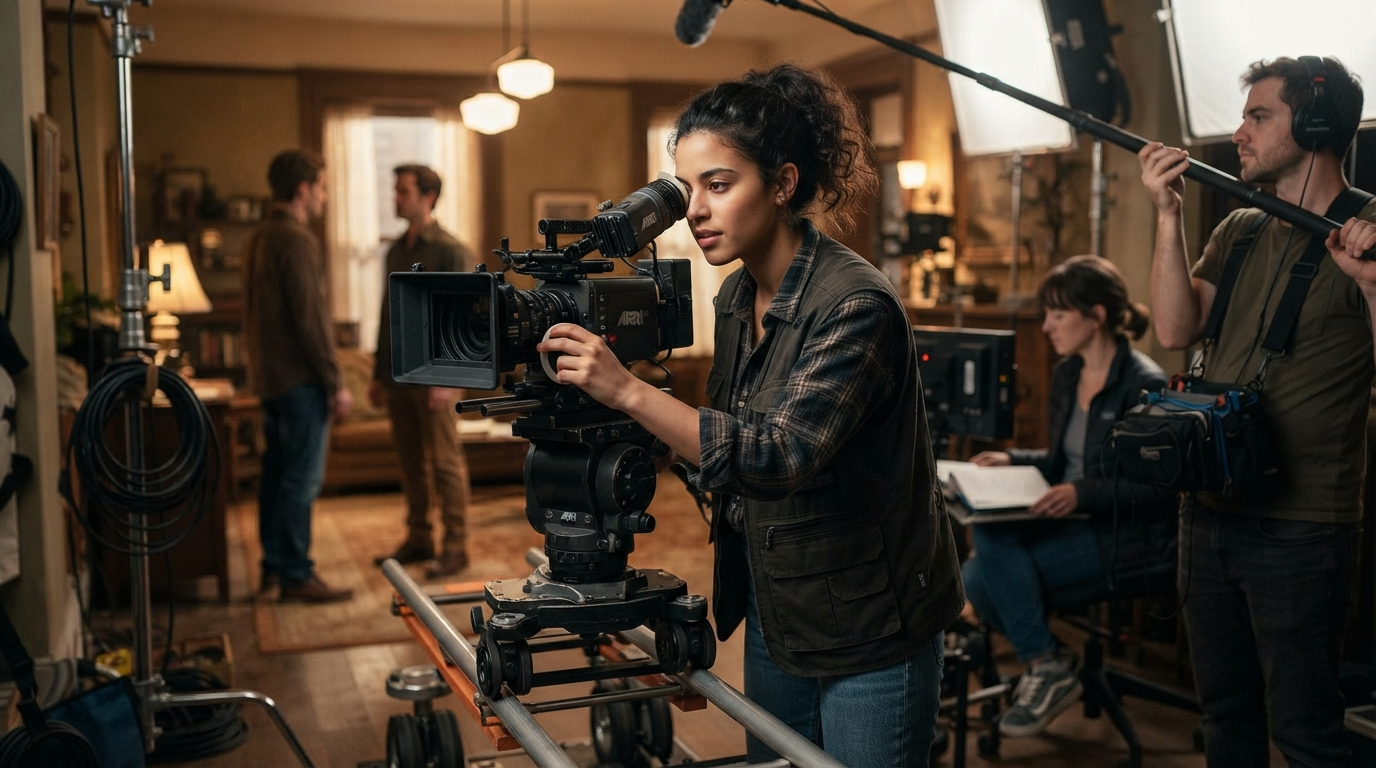
How a Diploma in Direction and Screenplay Writing Can Launch Your Film Career

Every great film begins with two things: a story worth telling and someone with the vision to tell it. If you have ever sat in a theatre thinking you could shape a scene better, or filled a notebook with plot ideas, a structured creative program can turn that instinct into a profession. Indian cinema and streaming platforms are growing fast, and they need trained storytellers who understand both the page and the camera.
This blog explains what a focused one-year filmmaking program offers, what you learn, and where it can take you.
Why Choose a Film Direction Program?
Many aspiring filmmakers learn by trial and error. They borrow a camera, shoot a short film, and hope for feedback. That path builds passion, but it often leaves gaps in storytelling structure, actor handling, and post-production knowledge.
A professional program closes those gaps. You work with faculty who have spent years in the industry, you get access to studios and equipment, and you learn the full process from idea to final cut. Choosing a diploma in film direction is a practical way to build that foundation without committing to a long degree.
Who Is This Program For?
This kind of course suits several types of learners:
-
Students who have finished their schooling and want a creative career
-
Writers who want to see their scripts turned into films
-
Theatre artists moving towards the screen
-
Content creators who want to raise the quality of their video work
What You Learn in a Direction and Screenplay Program
The diploma in direction and screenplay writing at AAFT University in Raipur is a one-year, practice-oriented program. It covers the fundamentals of screenplay writing, acting, cinematography, video editing, and sound recording. The aim is to give you a strong grounding in the aesthetics of writing for film and television, at standards expected by professionals.
Semester 1 Highlights
The first semester builds your core skills. You are introduced to direction and screenplay writing, learn the basics of film editing, study films closely, and practice directing actors. You also write the screenplay of a continuity film, which gives you hands-on experience early on.
Semester 2 Highlights
The second semester moves into advanced territory. You study producing and directing through mise en scène, learn to write effective dialogues, and develop film appreciation. You also explore film sound techniques, marketing strategies, and media laws, then finish by writing a full screenplay. This mix of creative and business subjects prepares you for how the industry actually works.
Learning by Doing
A strong filmmaking course keeps theory and practice side by side. Students at AAFT work on projects throughout the year, including exercises such as chase sequences, and they take part in events like camera workshops, street plays, and theatre productions. These activities teach you to plan shots, manage a crew, and solve problems on set.
Collaboration is another major benefit. Film is a team art, and working with classmates on shoots teaches communication, deadlines, and compromise. These habits matter as much as technical skill when you step onto a professional set.
Industry Exposure and Placement Support
Training is more valuable when it connects to real opportunities. The faculty on this program bring around twenty years of experience in the film industry and maintain links through consultancy and training work. The university also runs an Alumni Voices series, where former students share their journeys, including those who now work with big production houses or run their own.
AAFT lists placement tie-ups with well-known names such as Disney, Dharma, Bhansali, PVR, Technicolor, and Zee Studio. Exposure like this helps you understand what employers look for and how to present your work.
Career Opportunities After Graduation
Completing a diploma in direction opens several doors. Graduates can pursue roles such as:
-
Independent filmmaker
-
Assistant director
-
Assistant production manager
-
Script writer
-
Continuity manager
-
Dialogue writer
-
Executive producer
Many graduates begin as assistants and move up as they build a portfolio. Others write scripts for web series, advertisements, or television, or produce their own short films and festival entries. Because the course covers writing, directing, editing, and sound, you can work across departments and find where your strengths lie.
Fees and Admission Details
The program runs for one year, with a total course fee of ₹1,15,000, payable in instalments, along with a one-time admission fee of ₹10,000. Flexible EMI options are available. Since fees and dates can change, check out the official page or speak with an admission counsellor before applying. AAFT is currently accepting applications for the 2027 batch.
Tips to Get the Most From Your Course
-
Watch widely. Study films from different countries, genres, and eras.
-
Write every day. Even a page a day builds discipline and voice.
-
Shoot often. Short projects teach more than long plans.
-
Seek feedback. Listen to faculty and peers, and revise.
-
Build a portfolio. Keep your best scripts and films ready to show.
Final Thoughts
Great directors and screenwriters are made through practice, mentorship, and exposure. A one-year program that blends screenplay writing, direction, editing, and sound gives you the complete toolkit in a short time. If you are ready to turn your ideas into scenes, explore the course at AAFT University, review the syllabus, and take the first step towards your filmmaking career.



