

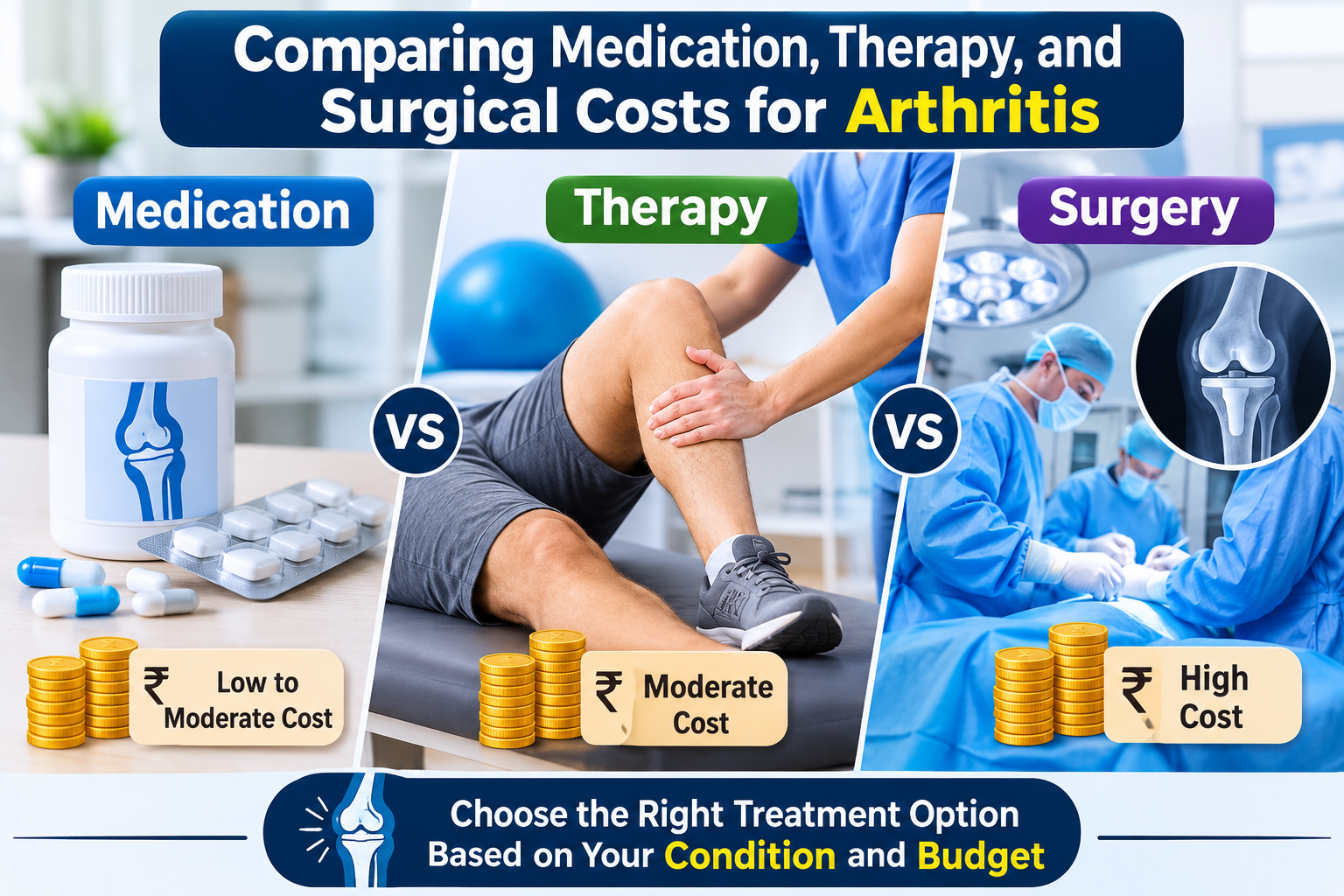

Arthritis is a common condition that causes joint pain, stiffness, swelling, and difficulty performing everyday activities. The right treatment depends on the type of arthritis, its severity, the patient's age, and overall health. Treatment may include medications, physiotherapy, lifestyle changes, or surgery in advanced cases. Understanding the Arthritis Treatment Cost and comparing different treatment options can help patients make informed decisions about their healthcare.
1. Medication Costs for Arthritis
Medications are often the first step in managing arthritis symptoms. Doctors may recommend different medicines depending on the patient's condition and level of discomfort.
Common medication options include:
-
Pain Relievers: Help reduce pain and improve daily comfort.
-
Anti-Inflammatory Medicines: Reduce joint swelling and inflammation.
-
Corticosteroids: May be prescribed for short-term control of severe inflammation.
-
Disease-Modifying Medicines: Help slow the progression of certain types of arthritis, particularly rheumatoid arthritis.
The cost of medication varies according to the prescribed drug, dosage, treatment duration, and brand. Regular consultations may also contribute to the overall expense.
2. Physiotherapy and Rehabilitation Costs
Physiotherapy plays an important role in arthritis management. It helps improve joint flexibility, strengthen surrounding muscles, and maintain mobility.
A physiotherapist may recommend:
-
Range-of-motion exercises
-
Muscle-strengthening activities
-
Low-impact physical exercises
-
Heat and cold therapy
-
Posture and movement training
The overall cost depends on the number of sessions, type of therapy, and healthcare facility. Regular physiotherapy may help patients manage symptoms and maintain independence in daily activities.
3. Surgical Treatment Costs for Arthritis
When medications and non-surgical treatments do not provide sufficient relief, doctors may consider surgery. Surgical treatment is generally recommended for patients with severe joint damage or significant mobility problems.
Some common surgical procedures include:
Joint Replacement Surgery: Damaged joint surfaces are replaced with artificial components. Knee and hip replacement surgeries are commonly performed for advanced arthritis.
Arthroscopy: A minimally invasive procedure that allows surgeons to examine and treat certain joint problems.
Joint Fusion: In selected cases, two bones are joined to reduce pain and provide stability.
Surgical expenses depend on the procedure, hospital facilities, surgeon's expertise, implants, diagnostic tests, and recovery requirements.
4. Factors That Influence Arthritis Treatment Expenses
Several factors can affect the overall cost of arthritis care:
-
Type of Arthritis: Osteoarthritis and rheumatoid arthritis may require different treatment approaches.
-
Disease Severity: Advanced conditions may need more extensive treatment.
-
Treatment Duration: Long-term medication and rehabilitation can increase expenses.
-
Hospital Facilities: Costs may differ between healthcare centres.
-
Surgical Requirements: Implant selection, procedure complexity, and hospital stay can influence the final bill.
Understanding these factors helps patients plan their treatment and discuss suitable options with their doctors.
5. How to Choose the Right Treatment
Choosing an appropriate treatment requires proper medical evaluation. Patients should consult an experienced orthopedic specialist or rheumatologist to understand their condition and available options.
Before starting treatment, consider the following:
-
Get an accurate diagnosis through clinical examination and recommended tests.
-
Discuss the benefits and possible risks of each treatment.
-
Ask about expected treatment duration and associated expenses.
-
Check whether health insurance covers the recommended procedure.
-
Follow the doctor's advice regarding exercise, medication, and follow-up visits.
The most expensive treatment is not necessarily the best option. The right approach is one that addresses the patient's medical needs and supports long-term joint health.
Conclusion
Arthritis treatment can involve medication, physiotherapy, or surgery depending on the condition and its severity. Each option has different expenses, benefits, and recovery requirements. Early diagnosis, appropriate medical guidance, and regular follow-ups can help patients manage arthritis more effectively. Before making a decision, discuss the available options and expected Arthritis Treatment Cost in India with your healthcare provider to choose a suitable treatment plan.



