

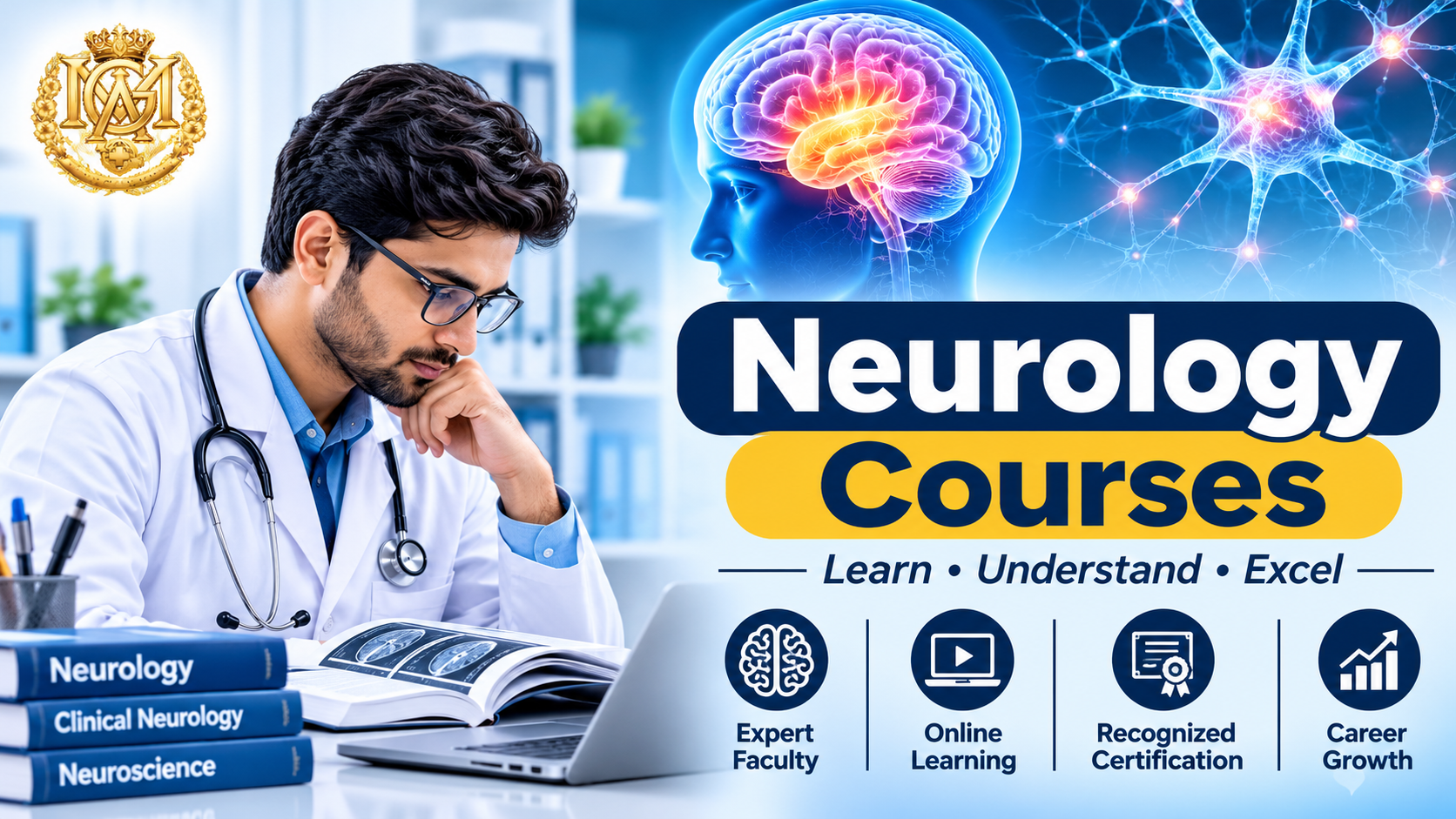

The human brain is fascinating, isn't it? It controls how we think, move, remember, communicate, and respond to the world around us. Yet, despite decades of medical research, the nervous system remains one of the most complex areas of human biology. For medical professionals, understanding this field means going beyond basic anatomy and exploring how different neurological structures and processes work together. From recognising the importance of nerve signals to studying disorders that affect memory and movement, there's plenty to discover. A structured approach to neurology courses can help doctors explore these subjects systematically and develop a stronger academic understanding of neurological science.
Why Should Medical Professionals Study Neurology?
Neurology connects with several branches of medicine. The nervous system influences almost every major body function, which means neurological knowledge can be valuable across different medical specialities.
Consider a few everyday examples:
-
A change in memory may involve cognitive functions and specific brain regions.
-
Difficulty maintaining balance may involve the cerebellum or sensory pathways.
-
Muscle weakness may be associated with problems involving nerves, muscles, or communication between them.
-
Recurrent headaches may have several possible neurological explanations.
Clearly, there's more to these symptoms than meets the eye. Studying neurology helps doctors understand the scientific principles behind such conditions and appreciate the relationship between different parts of the nervous system.
Essential Subjects Covered in Neurology Courses
A well-structured academic programme should introduce fundamental concepts before moving towards specialised neurological topics. Here are some important subjects medical professionals should explore.
1. Neuroanatomy: Understanding the Structure of the Nervous System
Neuroanatomy is one of the foundations of neurological science. It examines the structure and organisation of the brain, spinal cord, and peripheral nerves.
Important topics include:
-
Cerebrum and its functional regions.
-
Cerebellum and coordination.
-
Brainstem and essential neurological functions.
-
Spinal cord structure and nerve pathways.
-
Cranial nerves and their functions.
Understanding these structures helps doctors connect different neurological functions with the areas responsible for them.
2. Neurophysiology: How the Brain and Nerves Communicate
If neuroanatomy explains the structure, neurophysiology explores how the nervous system actually works.
This subject focuses on electrical and chemical communication between nerve cells. Doctors can explore how neurons transmit signals, how synapses function, and how the brain processes information.
Key concepts include:
-
Neuronal communication.
-
Action potentials and nerve impulses.
-
Synaptic transmission.
-
Sensory and motor pathways.
-
Regulation of neurological functions.
It's a fascinating subject because even a tiny change in neural communication can influence how the body responds to different situations.
3. Cerebrovascular Disorders
The brain requires a continuous supply of oxygen-rich blood to function properly. Any interruption or disturbance in its blood circulation can have serious consequences.
This subject explores conditions such as:
-
Ischaemic stroke.
-
Haemorrhagic stroke.
-
Transient ischaemic attacks.
-
Cerebral aneurysms.
-
Other disorders affecting cerebral circulation.
Doctors studying this area can develop a better understanding of the relationship between brain circulation, neurological function, and cerebrovascular disease.
4. Epilepsy and Seizure Disorders
Epilepsy is associated with recurrent seizures caused by abnormal electrical activity in the brain. However, seizures aren't all alike. Their presentation can vary depending on the brain regions involved and the type of electrical activity.
Important learning areas include seizure classification, underlying mechanisms, electroencephalography (EEG), and different forms of epilepsy.
5. Movement Disorders
Movement disorders affect the way people control and coordinate their movements. Some involve excessive movements, while others cause reduced movement or stiffness.
Important conditions to study include:
-
Parkinson's disease.
-
Essential tremor.
-
Dystonia.
-
Huntington's disease.
-
Other disorders affecting motor control.
These conditions offer valuable insights into the brain circuits responsible for movement and coordination.
How Neurology Courses Connect Theory with Modern Medical Knowledge
Understanding neurological science isn't just about memorising definitions. Doctors also need to see how fundamental concepts connect with research, investigations, and developments in modern medicine.
At this stage, neurology courses can offer a structured academic route for exploring different areas of the speciality. Depending on their syllabus and learning objectives, such programmes may cover advanced neurological concepts, emerging research, and specialised subjects.
Some particularly useful areas to explore include:
-
Neuroimaging: Understanding the academic principles of MRI, CT, and other brain imaging techniques.
-
Neurogenetics: Exploring genetic influences associated with neurological conditions.
-
Neuroimmunology: Studying interactions between the immune system and nervous system.
-
Neurodegeneration: Understanding progressive changes affecting brain cells.
-
Clinical neuroscience: Connecting scientific concepts with the broader study of neurological conditions.
The key is to build knowledge step by step rather than trying to understand every specialised topic at once.
Neurology Courses for Doctors: Choosing the Right Learning Areas
Neurology Courses for Doctors should provide relevant academic content that matches the learner's professional interests and existing medical knowledge.
Before selecting a learning programme, doctors may want to consider the following factors:
Academic Curriculum
Check whether the syllabus includes essential subjects such as neuroanatomy, neurophysiology, neurological disorders, and recent developments in neuroscience.
Faculty and Academic Guidance
Qualified faculty and organised academic support can make challenging subjects easier to understand. A well-planned learning structure also helps learners progress through complex topics without feeling overwhelmed.
Learning Format
Online learning can offer flexibility to medical professionals managing busy schedules. Recorded lectures, live academic sessions, reading materials, and assessments may support a more organised learning experience.
Course Objectives
Look beyond the programme title. Review its learning outcomes, duration, assessment methods, and academic recognition before making a decision.
Emerging Areas in Neurological Science
Neurology continues to evolve, with researchers exploring new ways to understand brain function and neurological diseases. Beyond traditional subjects, several emerging areas deserve attention.
1. Artificial Intelligence in Neuroimaging: AI-based technologies are being explored to support the analysis of complex medical images.
2. Brain-Computer Interfaces: Researchers are investigating how brain signals can interact with external devices.
3. Neuroplasticity: This area examines the nervous system's ability to adapt and reorganise its connections.
4. Precision Neurology: Research increasingly explores how individual biological and genetic differences may influence neurological conditions.
5. Digital Neurology: Digital technologies are creating new opportunities for neurological research, monitoring, and academic study.
These developments show why continuous learning matters. The field is moving forward, and keeping up with new research can broaden a doctor's understanding.
Frequently Asked Questions
1. What are the most important subjects to study in neurology?
Important subjects include neuroanatomy, neurophysiology, cerebrovascular disorders, epilepsy, movement disorders, neurogenetics, and neurodegenerative diseases.
2. Why is neuroanatomy important for medical professionals?
Neuroanatomy explains the structure and organisation of the nervous system. It helps doctors understand how different brain regions, spinal cord pathways, and nerves relate to specific functions.
3. What is the difference between neuroanatomy and neurophysiology?
Neuroanatomy focuses on the physical structure of the nervous system, whereas neurophysiology studies how those structures function and communicate.
4. Why should doctors keep updating their neurological knowledge?
Research, diagnostic technologies, and scientific understanding continue to develop. Ongoing education helps medical professionals remain familiar with new concepts and developments.
5. Can doctors study neurological sciences through online programmes?
Yes. Online academic programmes may offer lectures, learning materials, assessments, and faculty guidance. Doctors should review the syllabus and learning outcomes before enrolling.
Conclusion
Neurology is a broad and continually developing field, covering everything from the structure of the brain to complex disorders involving movement, memory, and communication between nerve cells. For medical professionals, building knowledge in this speciality requires a clear understanding of its fundamental subjects as well as an interest in emerging research.
By exploring neuroanatomy, neurophysiology, cerebrovascular conditions, epilepsy, and other specialised areas, doctors can develop a more organised understanding of neurological science. Ultimately, continuous academic learning helps keep that knowledge fresh, relevant, and connected with the changing world of modern medicine.



