

FMCG Brand Positioning: How Consumer Brands Can Build a Distinctive Market Presence

The fast-moving consumer goods industry is characterised by frequent purchases, competitive pricing and a wide variety of products offering similar functional benefits. Whether businesses operate in packaged foods, beverages, personal care or nutritional products, establishing a distinctive market identity requires more than attractive packaging.
Consumers need to understand what makes a product relevant to their requirements and why they should consider it over competing alternatives. This is where strategic positioning becomes an important component of brand development.
Effective FMCG brand positioning helps businesses establish a clear market proposition that connects product characteristics, consumer expectations and long-term commercial objectives.
Understanding Consumer Expectations
Before developing a brand identity, businesses should identify the priorities influencing purchase decisions within their product category.
For example, consumers purchasing packaged snacks may consider flavour, convenience, nutritional information and affordability. Skincare customers may prioritise formulation transparency, intended benefits and product suitability.
These differences influence how brands should communicate their value.
Working with an FMCG brand positioning agency can help businesses identify relevant consumer insights and establish a focused proposition that reflects their actual product offerings.
Identifying Meaningful Product Differentiation
Many consumer goods categories contain products with similar ingredients, functions and price points. Businesses must therefore identify characteristics that provide meaningful differentiation.
These characteristics could include ingredient sourcing, formulation, convenience, product experience or a distinctive brand philosophy.
Professional FMCG brand positioning services can help businesses evaluate competing brands and identify opportunities to communicate their advantages without relying on exaggerated claims or generic messaging.
A clear positioning direction also provides a foundation for developing brand names, visual identities and packaging systems.
Connecting Positioning with Packaging Design
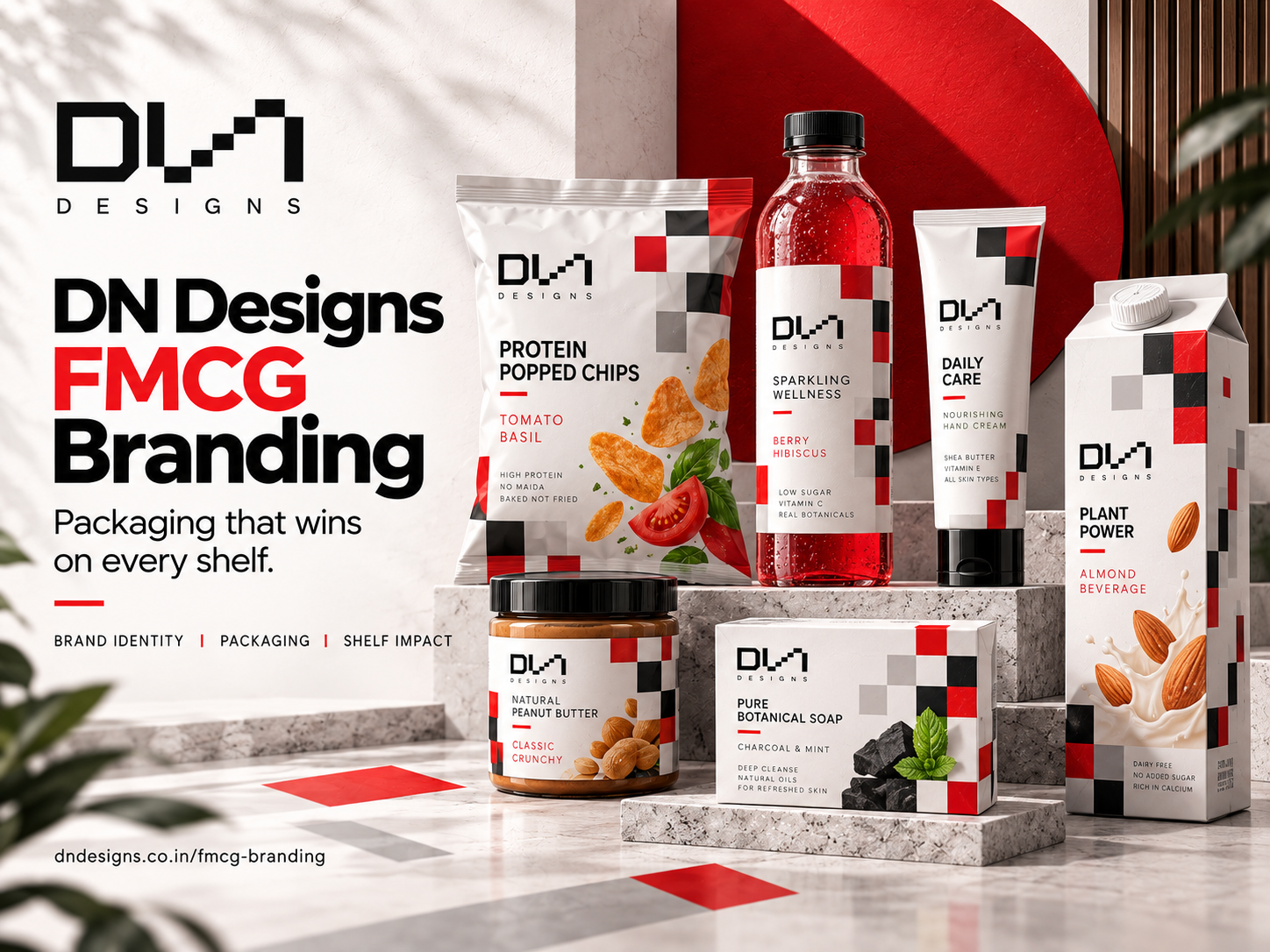
Packaging is an important communication tool for FMCG businesses because customers frequently encounter products in environments where purchase decisions are made quickly.
Typography, colour palettes, graphic elements and information hierarchy should reflect the intended positioning while making essential product details accessible.
For businesses managing multiple variants, consistent visual systems can help customers recognise the parent brand while distinguishing individual products.
This approach becomes increasingly valuable as businesses expand their portfolios and introduce additional packaging formats.
Maintaining Consistency During Brand Expansion
FMCG brand positioning consultants can help businesses evaluate whether their existing identities remain relevant as consumer expectations and market conditions evolve.
Introducing new products should not create unnecessary inconsistencies within the established brand identity. Instead, businesses can develop flexible brand guidelines that accommodate future changes while preserving recognisable elements.
Turning Strategic Positioning into a Recognisable Identity
Working with a branding agency in India can help consumer product businesses connect positioning decisions with practical creative solutions, including brand naming, visual identity development and packaging design.
DN Designs supports FMCG businesses through strategic branding and creative execution. By developing identities around meaningful product characteristics and consumer expectations, the studio helps businesses establish a consistent foundation for market recognition and future portfolio development.



