

Molluscum Contagiosum in Children: Those Small Skin Bumps Parents Often Notice Late

It often starts with one or two tiny bumps. They do not hurt. The child feels fine, eats fine, plays fine. So the bumps get ignored — until a few weeks later there are more of them, and a parent starts to wonder what is going on.
In many cases, the answer is molluscum contagiosum. The name sounds alarming. The condition itself is a common, mild skin infection in children, caused by a virus that lives in the top layer of the skin.
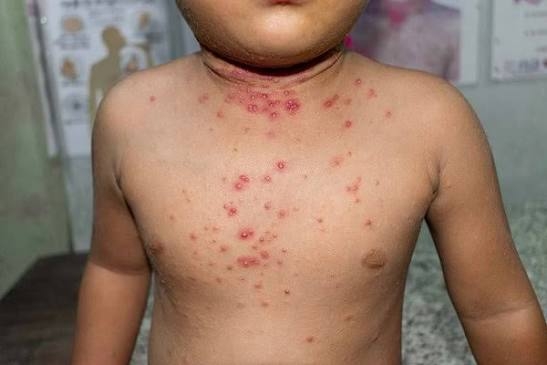
What the bumps look like
Molluscum bumps have a fairly clear pattern once a parent knows what to look for:
- Small, round and firm, roughly the size of a pinhead to a pencil eraser
- Flesh-coloured, pink or slightly pearly, with a shiny surface
- Often with a tiny dent or pit in the centre
- Usually painless, though the skin around them can turn red and itchy, a bit like eczema
- Common on the trunk, arms, legs, armpits and behind the knees — anywhere skin rubs against skin
They can appear alone, but more often they show up in small clusters. Scratching spreads them along a line, which is why new bumps sometimes seem to appear in a row.
For photos-style descriptions and a clear symptom checklist, this guide on molluscum contagiosum in children, its symptoms and treatment is a useful read for parents who want to compare what they are seeing at home.
How it spreads
The virus spreads through skin-to-skin contact and through shared items that touch the skin — towels, clothing, bath sponges, toys in the bath. It also spreads when a child scratches a bump and then touches another part of the body.
This is why it is seen so often in school-age children, in siblings who share a bath, and in children who play contact sports or swim together. It is not a sign of poor hygiene, and it is not a reason to feel guilty. It is simply a very common childhood skin virus.
Does it need treatment?
Here is the part that surprises many parents: in healthy children, molluscum often clears on its own. The body slowly builds a response to the virus and the bumps go away. The catch is time — this can take many months, and in some children longer.
Treatment becomes worth discussing when:
- The bumps are spreading fast or there are many of them
- They are on the face or eyelids, or in a spot that keeps getting rubbed and sore
- The skin around them keeps getting infected — more redness, pain, swelling or pus
- The child is very bothered by them, or is being teased at school
- The child has a weak immune system
A provider can talk through the options, which may include watching and waiting, a cream, or an in-office procedure such as freezing or careful removal. Squeezing or picking the bumps at home is a bad idea. It spreads the virus, invites infection, and can leave marks.
Home care that actually helps
While the bumps are there, small habits slow the spread:
- Ask the child not to scratch, and keep nails short
- Do not share towels, washcloths or clothing
- Cover bumps with clothing or a small plaster for school, sports and swimming if a provider advises it
- Give the child their own bath sponge, and wash shared bath toys
- Wash hands after touching the bumps, and apply any prescribed cream as directed
Children with molluscum can usually keep going to school. There is normally no need to keep a child home for this condition alone, though covering the bumps during close-contact sports is sensible.
When a video visit is enough — and when it is not
Skin problems suit telehealth well, because the main question is often "what does this look like?" A parent can show the bumps on camera, explain when they appeared and how they have changed, and get advice on whether to wait, start a cream, or book an in-person visit.
That works even better when the same service also handles children's general health, so the skin question sits inside the child's full picture. Parents in Colorado, for example, can use pediatric telehealth services for this kind of concern without a clinic trip.
Book an in-person visit sooner if a bump grows very fast, becomes painful, hot or swollen, if there is pus, if the bumps are near the eyes, or if a child has a weak immune system. Those cases need a closer look than a camera can give.
The bottom line
Molluscum looks worse than it usually is. For most healthy children it is a slow, mild skin problem that settles with time and simple care. The parent's job is mostly to stop the spread, resist the urge to squeeze the bumps, and check in with a provider when the bumps multiply, get sore, or just do not look right. A short conversation early on saves a lot of guessing later.



