

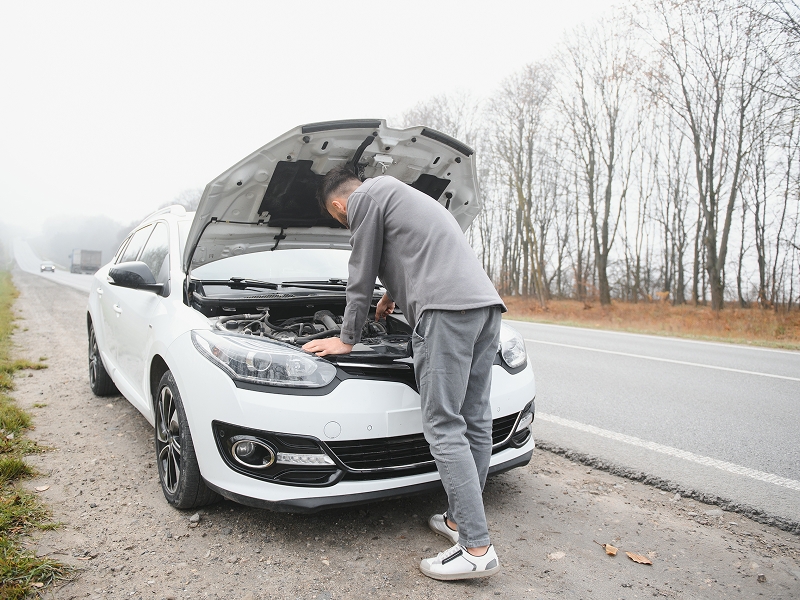

As the weather cools, many mornings across the Emirates begin with thick fog that can reduce visibility to just a few metres. These conditions catch out even experienced drivers. Knowing how your motor insurance uae policy responds to weather-related accidents, and how to drive safely in fog, matters whether you commute on the main highways or rely on car insurance sharjah cover for short trips around town.
Fog is most common in the cooler months, often in the early morning and late at night. It can roll in quickly and clear just as fast, which makes it unpredictable. This guide covers safe driving habits, how insurance usually treats fog-related incidents and what to do if something goes wrong.
Why Fog Is So Dangerous
Fog reduces what you can see, but it also affects how you judge speed and distance.
Reduced visibility
In dense fog, you may only see a short distance ahead. Vehicles, road markings and obstacles appear suddenly, leaving less time to react.
Distorted judgement
Fog can make objects seem further away than they really are. It can also make you feel as if you are driving slower than you are, which tempts some drivers to speed up.
Chain-reaction collisions
When one car brakes suddenly in fog, the cars behind may not see it in time. This is how multi-vehicle collisions happen on highways.
Safe Driving Habits in Fog
A few simple habits make a big difference.
Slow down early
Reduce your speed as soon as you see fog ahead, not once you are inside it. Drive at a speed that lets you stop within the distance you can see.
Increase your following distance
Leave much more space than usual between you and the car in front. This gives you time to react if it brakes suddenly.
Use the right lights
Switch on your dipped headlights. High beams reflect off the fog and can make visibility worse. Use fog lights if your car has them and conditions call for it, and switch them off when visibility improves.
Do not use hazard lights while moving
Hazard lights are meant for stationary vehicles or emergencies. Using them while driving can confuse other drivers about what you are doing.
Avoid overtaking and lane changes
Stay in your lane and avoid overtaking. Other vehicles may be closer than you think.
Keep the windscreen clear
Use your wipers and demister to keep the glass clear. Fog can leave moisture on both the inside and outside of the windscreen.
Follow Official Guidance
Authorities in the UAE often issue weather alerts during foggy periods, and variable speed limits on some roads may be lowered when visibility is poor.
Check the forecast
Look at the weather forecast the night before and in the morning. If fog is expected, plan extra time for your journey.
Watch for reduced speed limits
Pay attention to electronic signs that display lower limits in poor weather. These are there to keep everyone safe.
Consider delaying your trip
If the fog is very dense and your journey is not urgent, waiting until it clears is often the safest choice.
How Insurance Usually Treats Fog-Related Accidents
Fog itself is not usually a special category in a motor policy. What matters is the type of cover you have and who was at fault.
Comprehensive cover
Comprehensive policies generally cover damage to your own car after an accident, subject to the terms and excess, even if the accident happened in fog. They also include third-party liability.
Third-party liability only
Third-party policies cover damage you cause to others but do not pay for repairs to your own car. In a fog-related collision where you are at fault, you would need to pay for your own repairs.
Fault still matters
Poor visibility does not remove responsibility. Drivers are expected to adjust their speed and behaviour to the conditions. The police report will usually determine fault, and that affects how claims are handled.
Multi-vehicle collisions
In chain-reaction accidents, sorting out fault can take time. Clear photos, a police report and accurate notes help your insurer handle the claim.
What to Do If You Are Involved in an Accident in Fog
If something does go wrong, staying calm and safe comes first.
Make yourself visible
If your car can be moved, get it off the road and switch on hazard lights. If it cannot be moved, switch on hazards and, if it is safe to do so, leave the car and move well away from traffic.
Call the police
Contact the police and follow their instructions. In fog, other drivers may not see a stopped vehicle in time, so do not stand near the road while you wait.
Gather information when safe
Once the area is safe, take photos of the scene, the vehicles and the weather conditions. Note the time and location. Collect details from other drivers involved.
Inform your insurer
Report the incident to your insurer as soon as possible. Have your policy number, the police report reference and your photos ready.
Preparing Your Car for the Cooler Months
A well-maintained car is safer in any weather, but it matters most when conditions are poor.
Check all lights
Make sure headlights, fog lights, brake lights and indicators all work. Clean the lenses so they shine brightly.
Replace worn wipers
Wipers that smear or streak make it harder to see in fog and drizzle. Replace them if needed.
Test the demister and air conditioning
These systems help keep the windscreen clear. If they are slow or weak, have them checked.
Check tyres and brakes
Good tyres and brakes help you stop safely on damp roads. Check tread depth and pressure regularly.
Reviewing Your Cover Before Fog Season
The start of the cooler months is a good time to check your policy.
Questions to ask
-
Is my car covered for damage if I cause an accident?
-
What excess would I pay on a claim?
-
Is roadside assistance included if my car breaks down in poor weather?
-
Is a replacement car available while repairs are carried out?
-
How quickly should I report an accident?
If your answers raise doubts, speak with your insurer. Reviewing your motor insurance uae cover before the busiest fog months helps you avoid surprises.
Local considerations
If most of your driving is around town, think about the roads you use regularly. Busy roundabouts, school routes and early morning commutes can all be affected by fog. When comparing car insurance sharjah options, look at how claims are handled locally and whether roadside help is available quickly in your area.
Fog, Commuting and Your Daily Routine
For many people, fog season simply means a slower and more stressful commute. A few changes to your routine can reduce both risk and stress.
Leave earlier
If fog is forecast, set off earlier so you are not tempted to rush. Arriving a little early is far better than pushing on in poor visibility.
Choose familiar routes
In fog, familiar roads are easier to drive because you know where the bends, junctions and exits are. Avoid unfamiliar shortcuts until visibility improves.
Keep an eye on the school run
Fog often coincides with busy school traffic in the early morning. Watch for buses, crossing children and parents stopping suddenly near school gates. If your daily trips are short and local, your car insurance sharjah cover may still face plenty of fog-related risks, so the same careful habits apply.
Stay informed on the move
Use official traffic updates and weather apps before you set off, but never handle your phone while driving. If you need to check conditions, pull over safely first.
Know your policy contact details
Save your insurer's claims and roadside numbers in your phone. In stressful moments, having the right number ready saves time. It is a small step, but it makes your motor insurance uae cover easier to use when you need it.
Helping Other Drivers Stay Safe
Safe driving in fog is a shared responsibility.
Be predictable
Signal early, brake gently and avoid sudden moves. Predictable driving helps others react in time.
Keep your lights on
Even in light fog, dipped headlights help other drivers see you.
Stay patient
Frustration leads to risky decisions. Accept that journeys will take longer and give yourself extra time.
Final Thoughts
Fog is a regular part of the cooler months in the Emirates, and it calls for patience, preparation and careful driving. Slow down early, keep a long gap, use dipped headlights and follow official alerts and speed limits. If visibility is very poor, consider waiting until it clears.
Just as important, make sure your cover is ready for the season. Check what your motor insurance uae policy includes, know how to report an accident and keep your car well maintained. Whether you drive long distances or rely on car insurance sharjah cover for local journeys, good habits and clear cover will help you get through fog season safely.



