

Cast Iron Pipe Repair Edinburgh: A Complete Guide to Drainage Problems, Repairs and Long-Term Solutions
Cast iron pipes have been used in drainage and plumbing systems for generations because of their strength, durability and ability to withstand everyday use. However, even these traditionally reliable materials can deteriorate over time. Corrosion, internal blockages, cracks and joint failures can gradually affect the performance of older drainage systems, potentially leading to leaks, unpleasant smells and structural damage. For property owners, recognising these problems early is essential to avoiding expensive repairs.
Professional cast iron pipe repair edinburgh services can help identify drainage defects, restore damaged pipework and protect properties from further complications. Whether you own a traditional Edinburgh property, manage a commercial building or maintain a residential rental property, understanding how cast iron drainage systems work can help you make informed maintenance decisions.
This guide explains common cast iron pipe problems, warning signs, inspection methods, available repair techniques and preventative maintenance practices. It also explores why professional expertise is important when dealing with ageing drainage infrastructure.
Understanding Cast Iron Drainage Pipes
Cast iron is a durable material traditionally used for underground drainage, soil pipes and wastewater systems. Its strength makes it suitable for carrying wastewater from bathrooms, kitchens, toilets and other plumbing installations.
Many older buildings throughout Edinburgh still contain original or partially replaced cast iron drainage systems. Although these pipes can remain functional for decades, their condition depends on installation quality, environmental exposure, maintenance and the amount of wastewater passing through them.
Why Were Cast Iron Pipes Commonly Installed?
Cast iron became popular in plumbing because it offers several practical advantages:
· Strength: It can withstand considerable physical pressure and everyday drainage demands.
· Durability: Properly maintained cast iron pipes can remain operational for many decades.
· Noise reduction: Their substantial construction helps reduce the sound of flowing wastewater.
· Fire resistance: Cast iron is non-combustible, making it useful in certain building applications.
· Structural stability: It provides a robust solution for various drainage installations.
Despite these benefits, cast iron is not immune to deterioration. Prolonged exposure to moisture, wastewater and environmental conditions can eventually weaken its structure.
Common Problems Affecting Cast Iron Pipes
Identifying drainage problems early can prevent minor defects from developing into significant plumbing emergencies. Several issues commonly affect older cast iron installations.
1. Internal Corrosion and Rust Formation
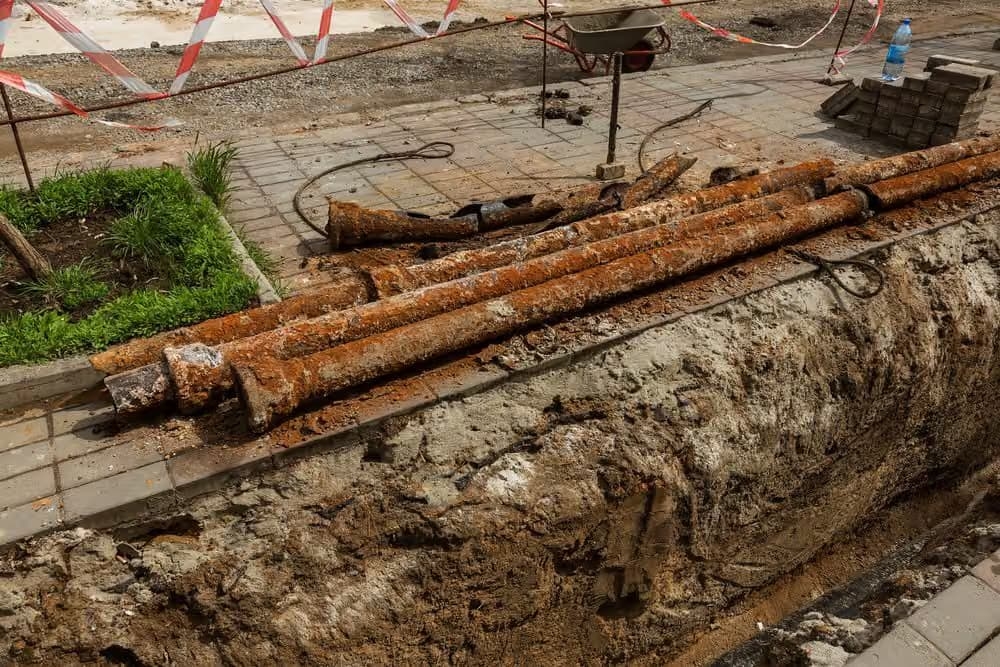
Corrosion is one of the most frequent problems associated with ageing cast iron pipes. Over time, moisture and wastewater can cause the internal surfaces to deteriorate.
As rust develops, the inside of the pipe may become rough and uneven. This encourages grease, soap residue, mineral deposits and other materials to accumulate.
Eventually, corrosion can reduce the internal diameter of the pipe, restricting wastewater flow and increasing the likelihood of recurring blockages.
2. Cracks and Structural Damage
Cast iron is strong but can become brittle as it ages. Ground movement, temperature changes, excessive external pressure and long-term deterioration may contribute to cracking.
Even a relatively small crack can allow wastewater to escape. If the damaged section is concealed beneath flooring or underground, leaks may remain unnoticed until more serious symptoms appear.
3. Joint and Connection Failures
Older cast iron drainage systems often contain joints that can deteriorate over time. Changes in temperature, vibration, building movement and corrosion may weaken connections between individual pipe sections.
Damaged joints can result in:
· Wastewater leakage.
· Persistent unpleasant smells.
· Damp patches around pipe connections.
· Water damage to nearby surfaces.
· Potential pest access through damaged drainage sections.
Professional inspection helps establish whether a joint requires resealing, reinforcement or complete replacement.
4. Repeated Drainage Blockages
Internal corrosion and accumulated deposits can create conditions where blockages occur frequently.
Unlike a simple obstruction caused by household waste, corrosion-related restrictions may continue returning even after conventional drain cleaning.
Consequently, identifying the underlying cause is essential before choosing an appropriate repair method.
Warning Signs That Your Cast Iron Pipes Need Attention
Drainage systems often provide noticeable warning signs before a complete failure occurs. Property owners should pay attention to changes in drainage performance and the condition of exposed pipework.
Persistent Unpleasant Drain Smells
A damaged pipe or failed joint may allow wastewater gases to escape. If unpleasant smells continue despite routine cleaning, the drainage system should be inspected.
Slow Draining Water
Water taking longer than usual to disappear from sinks, showers and baths may indicate an obstruction or restricted pipework.
Although individual blockages are common, repeated slow drainage across multiple fixtures can suggest a wider drainage problem.
Visible Rust and Flaking
Exposed cast iron pipes should be checked for rust patches, flaking surfaces, corrosion and unusual discolouration.
Advanced deterioration may also cause sections of the pipe to become visibly weakened.
Damp Walls, Ceilings or Floors
Unexplained dampness near drainage installations can indicate a leaking pipe or defective connection.
Look for water stains, peeling paint, mould growth and persistent moisture around pipe routes.
Unusual Drainage Noises
Gurgling sounds, bubbling and unusual noises can indicate restricted airflow or drainage problems. Although these symptoms do not automatically mean a pipe is damaged, they should not be ignored when accompanied by other warning signs.
Professional Cast Iron Pipe Repair Edinburgh: Available Repair Methods
Choosing the correct repair technique depends on the location, severity and extent of the damage. A professional assessment helps determine whether a local repair is sufficient or whether larger sections of pipework need replacing.
CCTV Drain Surveys
A CCTV drain survey is an effective way to inspect the internal condition of drainage pipes without immediately excavating or dismantling the system.
A specialist inserts a small waterproof camera into the drainage line to examine its internal surfaces.
The inspection can help identify:
· Internal corrosion.
· Cracked or fractured sections.
· Root intrusion.
· Blockages and accumulated deposits.
· Displaced joints.
· Structural deterioration.
The resulting footage provides useful information for planning the repair and avoiding unnecessary work.
Localised Pipe Repairs
When damage is limited to a small section, a localised repair may provide an effective solution.
Depending on the pipe's condition and location, a specialist may remove the damaged section and install a suitable replacement.
This approach can reduce disruption compared with replacing an entire drainage line.
Pipe Relining
Pipe relining is a trenchless repair technique that may be suitable for certain damaged drainage systems.
The process generally involves inserting a specially designed resin-impregnated liner into the existing pipe. Once cured, the liner forms a new internal surface.
Potential benefits include:
· Reduced excavation requirements.
· Less disruption to gardens and paved areas.
· Improved internal pipe integrity.
· A smoother surface that can help wastewater flow.
· The ability to repair certain cracks and joint defects.
However, relining is not appropriate for every situation. Severely collapsed pipes, extensive deformation or unsuitable pipe dimensions may require excavation and replacement instead.
Complete Pipe Replacement
When cast iron pipework has extensive corrosion, multiple structural cracks or significant deterioration, replacing the affected sections may be the most reliable option.
A replacement system may use modern materials selected for their suitability, durability and compatibility with existing drainage infrastructure.
Before installation, the damaged pipework should be assessed to establish the appropriate pipe dimensions, connections and drainage requirements.
Why Professional Drainage Inspections Matter
Attempting to repair ageing cast iron drainage systems without understanding the underlying problem can lead to ineffective results.
For example, applying sealant to an externally visible crack might temporarily reduce leakage, but it will not necessarily address internal corrosion or structural deterioration.
Professional inspections help establish the actual condition of the drainage system.
Accurate Problem Identification
A qualified drainage specialist can distinguish between surface deterioration, localised damage and more extensive structural failure.
This makes it easier to recommend an appropriate solution.
Avoiding Unnecessary Excavation
Modern inspection equipment allows many drainage defects to be identified before excavation begins.
Where suitable, CCTV surveys and trenchless techniques can reduce disruption to gardens, driveways, floors and surrounding structures.
Reliable Repair Planning
A detailed assessment helps determine the materials, equipment and labour required for the repair.
It also allows property owners to understand the work involved before approving the proposed solution.
For dependable cast iron pipe repair edinburgh, selecting an experienced drainage professional is an important step towards achieving a lasting result.
Residential and Commercial Cast Iron Pipe Maintenance
Cast iron drainage problems can affect different types of properties. However, the maintenance requirements may vary depending on the building's age, size and drainage usage.
Maintaining Residential Properties
Older residential buildings may contain original cast iron soil stacks, underground drainage connections and wastewater pipes.
Homeowners should arrange inspections when they notice recurring blockages, leaks or unusual drainage smells.
Regular maintenance can help identify deterioration before it causes extensive damage to internal surfaces, foundations or surrounding structures.
Maintaining Commercial Buildings
Commercial properties may experience greater drainage demands because of frequent use by employees, customers and visitors.
Restaurants, offices, hotels and other business premises should pay particular attention to drainage performance.
Preventative inspections can help reduce unexpected interruptions and identify potential problems before they affect normal business operations.
Managing Older Edinburgh Properties
Edinburgh contains many traditional buildings with ageing plumbing and drainage infrastructure.
Maintaining these properties requires careful consideration of existing pipe routes, building materials and access limitations.
In some cases, specialist planning may also be necessary where buildings are listed or located within conservation areas. Appropriate permissions should be checked before undertaking work that affects protected building features.
How to Prevent Future Cast Iron Pipe Problems
Although ageing pipes cannot be made immune to corrosion, sensible maintenance can help reduce the likelihood of avoidable drainage problems.
Arrange Periodic Drainage Inspections
Regular inspections help identify developing issues before they become serious.
The appropriate inspection frequency depends on the age, condition and usage of the drainage system. Older installations or systems with a history of recurring problems may require closer monitoring.
Avoid Pouring Grease Down Drains
Cooking fats and oils can accumulate inside drainage pipes and contribute to blockages.
Allow fats to cool and dispose of them appropriately rather than washing them into kitchen drains.
Dispose of Waste Responsibly
Wet wipes, sanitary products, cotton buds and other unsuitable materials should not be flushed down toilets.
These items can create obstructions and increase pressure on already deteriorating pipework.
Address Small Leaks Promptly
Minor leaks should never be ignored. Even a small amount of escaping wastewater can cause damage to surrounding materials over time.
Early repairs can help prevent larger structural and hygiene problems.
Keep External Drainage Areas Clear
Leaves, soil and other debris can obstruct external drainage access points.
Keeping these areas clear supports effective water movement and makes routine inspections easier.
Choosing a Reliable Cast Iron Drainage Repair Specialist in Edinburgh
Selecting an appropriate contractor is essential when dealing with damaged drainage infrastructure. Property owners should look beyond the initial quotation and consider the company's experience, inspection methods and proposed repair approach.
When comparing drainage specialists, consider the following factors:
Relevant experience: Look for professionals familiar with older cast iron drainage installations and different repair techniques.
Inspection equipment: Ask whether the company uses CCTV surveys or other suitable diagnostic equipment.
Clear quotations: A professional quotation should explain the identified problem, recommended work and expected costs.
Repair options: Reliable specialists should explain whether localised repairs, relining or replacement would be appropriate.
Workmanship and materials: Ask about the materials being installed and any applicable workmanship guarantees.
Customer communication: Choose a contractor who explains the problem clearly and answers questions before work begins.
Edinburgh Drain Repair is a relevant option for property owners seeking assistance with drainage repair concerns. Before proceeding, discuss the nature of the problem, inspection requirements and available repair solutions to establish the most suitable approach.
How Much Does Cast Iron Pipe Repair Cost in Edinburgh?
The cost of repairing cast iron drainage depends on several factors. Therefore, it is difficult to provide an accurate figure without inspecting the affected pipework.
The main factors influencing the overall price include:
· Extent of damage: A small isolated defect will generally require less work than extensive structural deterioration.
· Pipe accessibility: Easily accessible internal pipework may be simpler to repair than buried drainage lines.
· Repair technique: Localised repairs, pipe relining and complete replacement involve different equipment and labour requirements.
· Excavation requirements: Underground repairs may involve additional labour, excavation and reinstatement costs.
· Replacement materials: The type, size and specification of replacement pipework can influence the final quotation.
· Additional damage: Water damage or problems affecting surrounding structures may require separate remedial work.
Property owners should request a written quotation following an appropriate assessment. Comparing quotations based on the proposed work, rather than price alone, can help avoid unsuitable repairs.
Frequently Asked Questions About Cast Iron Pipe Repairs
How Long Do Cast Iron Drainage Pipes Last?
Cast iron pipes can last for many decades, depending on installation quality, environmental conditions, maintenance and wastewater usage. However, corrosion and structural deterioration can shorten their useful lifespan.
Can a Cracked Cast Iron Pipe Be Repaired?
Yes. Certain cracks can be repaired using localised replacement, suitable repair systems or pipe relining. The correct method depends on the crack's size, location and the overall condition of the pipe.
Is Pipe Relining Better Than Pipe Replacement?
Neither method is universally better. Relining can reduce excavation and disruption when the existing pipe is suitable for rehabilitation. However, collapsed or severely damaged pipes may require replacement.
What Are the Signs of a Failing Cast Iron Drain?
Common warning signs include persistent unpleasant smells, repeated blockages, slow drainage, visible corrosion, damp patches and wastewater leaks.
Should Old Cast Iron Pipes Always Be Replaced?
No. Age alone does not mean replacement is necessary. If the pipe remains structurally sound and functions correctly, regular inspections and appropriate maintenance may be sufficient.
How Quickly Should a Leaking Cast Iron Pipe Be Repaired?
A leaking pipe should be assessed as soon as possible. Delaying repairs can allow moisture damage, unpleasant smells and further deterioration to develop. Significant leaks or sewage escaping inside a property should be treated as urgent.
Conclusion
Cast iron drainage systems remain an important part of many older properties, but their long-term reliability depends on proper inspection and maintenance. Corrosion, cracks, failed joints and repeated blockages can gradually affect drainage performance and create expensive problems if left untreated.
Understanding the warning signs and available repair methods allows property owners to make better decisions about maintaining their plumbing infrastructure. From CCTV drain surveys and localised repairs to trenchless relining and complete pipe replacement, the most appropriate solution depends on the condition of the existing system.
Professional cast iron pipe repair edinburgh services can help property owners identify drainage defects, understand their repair options and protect their buildings from further damage. By arranging timely inspections, choosing suitable repair methods and following preventative maintenance practices, homeowners and commercial property managers can improve drainage reliability and extend the useful life of their systems.
For advice about damaged cast iron drainage, Edinburgh Drain Repair can be approached to discuss the problem and explore suitable repair options based on the property's requirements.



