

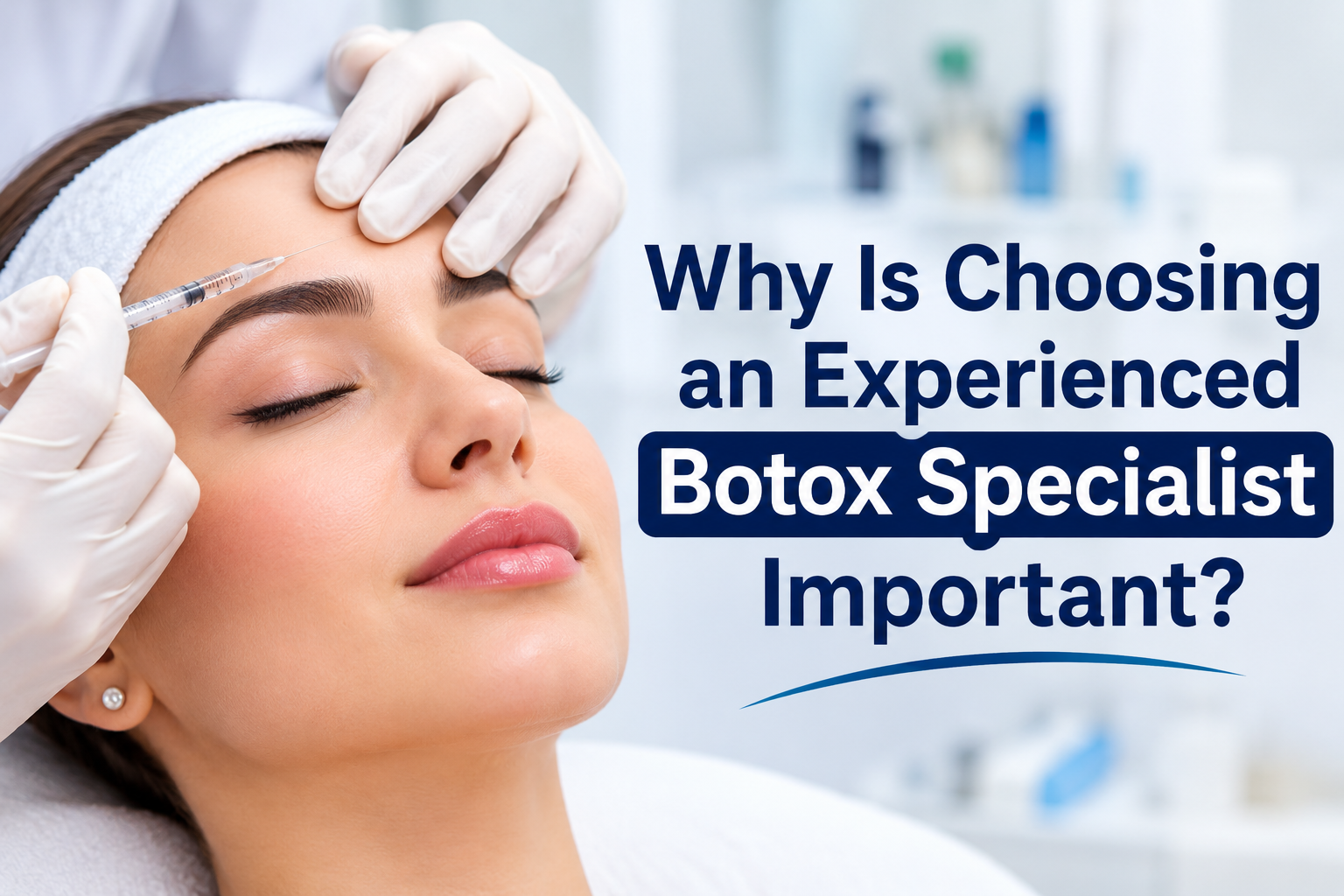

Botox treatment has become a popular non-surgical cosmetic procedure for people who want to reduce fine lines, wrinkles, and visible signs of ageing. It involves injecting a purified form of botulinum toxin into specific muscles to temporarily reduce muscle activity. Although the procedure is generally quick, achieving safe and natural-looking results requires proper medical knowledge, experience, and technique. Choosing an experienced Botox specialist is important because facial anatomy, injection placement, dosage, and patient assessment all influence the treatment outcome.
1. Ensures Safe and Proper Treatment
Safety should always be the first priority when considering any cosmetic procedure. Botox injections require a detailed understanding of facial muscles, nerves, and surrounding tissues.
An experienced specialist can evaluate the patient's facial structure, medical history, and cosmetic concerns before recommending treatment. They also understand the correct injection techniques and precautions needed to reduce the risk of complications.
When considering Botox Treatment Surgery in Jaipur, patients should choose qualified medical professionals who have appropriate training and experience in administering Botox injections.
2. Helps Achieve Natural-Looking Results
One of the main reasons people choose Botox is to reduce wrinkles while maintaining their natural facial expressions.
Incorrect injection placement or excessive dosage may cause an unnatural appearance, uneven facial movement, or unwanted muscle weakness.
An experienced specialist understands how different facial muscles work and adjusts the treatment according to individual requirements.
Their approach focuses on:
-
Maintaining natural facial expressions.
-
Reducing visible forehead lines.
-
Softening frown lines between the eyebrows.
-
Improving the appearance of crow's feet.
-
Avoiding unnecessary muscle relaxation.
The goal is to achieve balanced results without significantly changing the natural appearance of the face.
3. Provides Accurate Dosage and Injection Placement
Botox treatment requires careful planning because different facial areas have different muscle structures and movement patterns.
The dosage depends on several factors, including the treatment area, muscle strength, individual anatomy, and desired outcome.
An experienced specialist can determine the appropriate dosage and injection points after evaluating the patient.
For example, forehead lines may require a different injection approach compared with crow's feet or frown lines.
Proper placement helps improve treatment effectiveness while reducing the possibility of unwanted effects such as drooping eyebrows or eyelids.
4. Helps Identify Suitable Candidates
Botox treatment may not be suitable for everyone. A proper consultation is necessary to determine whether an individual is an appropriate candidate.
A qualified specialist evaluates several factors before recommending the procedure, including:
-
Age and skin condition.
-
Medical history.
-
Existing neurological or muscular conditions.
-
Current medications.
-
Previous cosmetic treatments.
-
Pregnancy or breastfeeding status.
People with certain medical conditions or allergies may require additional assessment. Botox is generally avoided during pregnancy and breastfeeding because safety has not been established.
A detailed medical evaluation helps identify potential risks and determine whether another treatment would be more appropriate.
5. Reduces the Risk of Side Effects and Complications
Like other medical procedures, Botox injections can cause side effects. Common temporary effects may include redness, swelling, bruising, tenderness, and mild headaches around the injection area.
Less common complications may include:
-
Eyelid drooping.
-
Eyebrow asymmetry.
-
Temporary muscle weakness.
-
Unwanted changes in facial expressions.
-
Infection at the injection site.
Rarely, botulinum toxin effects can spread beyond the injection area and cause serious symptoms such as difficulty swallowing, speaking, or breathing. These symptoms require immediate medical attention.
An experienced specialist understands the precautions required before and after treatment and can guide patients about possible complications.
6. Offers Personalised Treatment Planning
Every person's facial structure, skin condition, and cosmetic expectations are different. Therefore, Botox treatment should not follow the same approach for every patient.
An experienced specialist creates an individual treatment plan based on the patient's specific concerns.
For example:
-
Some patients may want to reduce forehead wrinkles.
-
Others may want to soften lines around the eyes.
-
Some individuals may seek treatment for frown lines.
-
Certain patients may require Botox for medical conditions such as excessive sweating or specific muscle spasms.
Personalised planning helps ensure that treatment recommendations are appropriate for the patient's needs.
7. Provides Proper Pre-Treatment and Aftercare Guidance
Good treatment does not end with the injection procedure. Proper preparation and aftercare are also important for achieving satisfactory results.
Before treatment, specialists may review medical history, discuss expectations, and explain potential risks.
After Botox injections, patients may receive instructions such as:
-
Avoid rubbing or massaging the treated area for the period recommended by the specialist.
-
Follow the clinic's instructions regarding physical activity.
-
Avoid applying unnecessary pressure to injection sites.
-
Attend follow-up appointments when advised.
-
Contact the specialist if unusual symptoms develop.
Following professional instructions helps patients manage the recovery period and understand what to expect after treatment.
8. Helps Set Realistic Expectations
Botox does not permanently remove wrinkles or stop the natural ageing process. Its effects are temporary because the treated muscles gradually regain their normal activity.
Results usually begin to appear within a few days, with the full effect often becoming noticeable within approximately 10 to 14 days.
Depending on the individual and treatment area, results commonly last around three to four months.
An experienced specialist explains these limitations before treatment. This helps patients understand the expected results, maintenance requirements, and possible need for future sessions.
9. Ensures the Use of Genuine and Approved Products
The quality and authenticity of Botox products are important for patient safety.
Counterfeit, improperly stored, or unapproved products may increase the risk of complications and unpredictable treatment outcomes.
Before undergoing treatment, patients should check whether the specialist:
-
Uses genuine, authorised products.
-
Follows proper storage requirements.
-
Maintains hygienic injection practices.
-
Explains the product being administered.
-
Provides appropriate medical documentation.
Patients should avoid choosing a clinic based only on low prices or promotional offers.
10. How to Choose the Right Botox Specialist?
Selecting the right professional requires some research and careful consideration. Before booking an appointment, consider these factors:
-
Medical Qualifications: Verify the specialist's relevant medical qualifications and training.
-
Practical Experience: Ask about their experience with Botox procedures.
-
Consultation Process: Choose a specialist who discusses medical history, expectations, and potential risks.
-
Clinic Hygiene: Check whether the clinic follows proper infection-control practices.
-
Product Quality: Confirm that genuine and authorised products are being used.
-
Patient Communication: Look for professionals who explain treatment procedures clearly and answer questions.
-
Follow-Up Support: Ensure that post-treatment guidance and medical assistance are available.
A proper consultation can help patients make an informed decision and understand whether Botox is suitable for their cosmetic or medical concerns.
Conclusion
Choosing an experienced Botox specialist is essential for safe treatment, accurate injection placement, appropriate dosage, and natural-looking results. A qualified professional can assess individual requirements, explain possible side effects, and provide personalised treatment recommendations. Patients should always prioritise medical qualifications, product authenticity, clinic hygiene, and proper aftercare rather than choosing a treatment based only on cost. If you are considering cosmetic injections, consulting qualified specialists for Best Botox Treatment Surgery in Jaipur can help you understand the procedure, evaluate its suitability, and make an informed decision about your treatment.



