

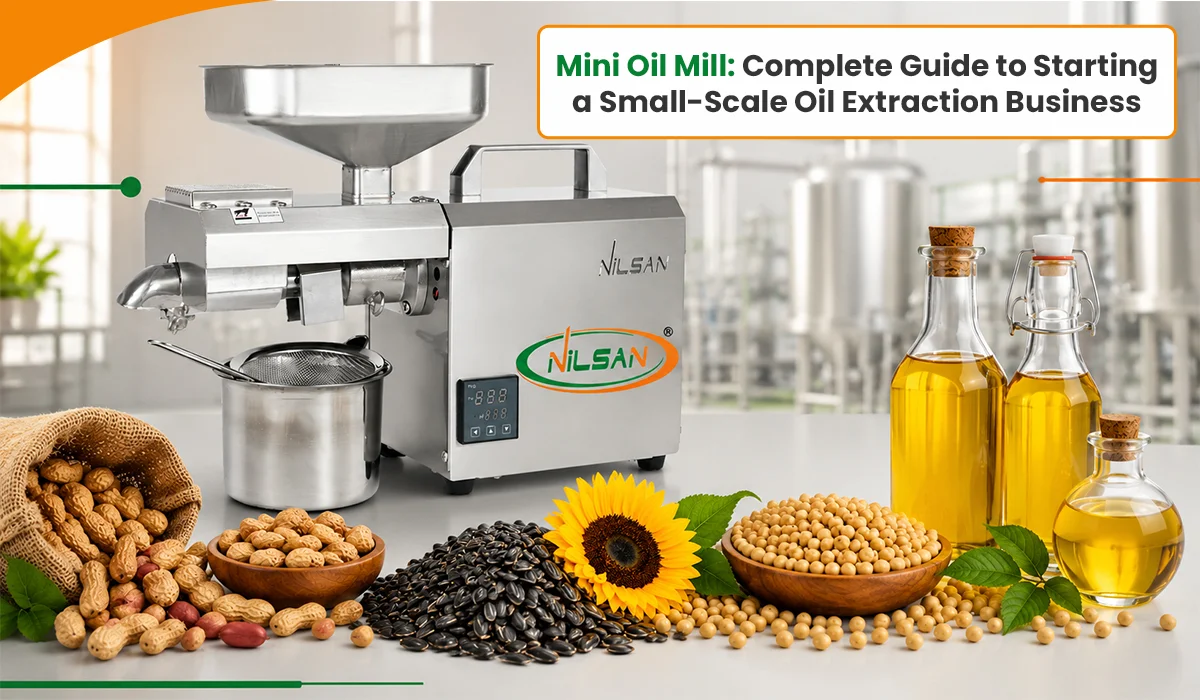
Mini Oil Mill: A Practical Guide to Planning a Small Oil Extraction Business

Starting an oil extraction business does not always require a large factory or complicated production setup. A Mini Oil Mill offers a practical option for entrepreneurs, farmers, and small business owners who want to produce fresh oil from different oilseeds on a manageable scale. With suitable machinery and proper planning, a small setup can serve local customers, retailers, and food businesses.
As more consumers look for fresh and locally produced cooking oils, small-scale oil production can be an opportunity worth exploring. However, starting an oil business requires more than purchasing a machine. Understanding the production process, selecting suitable seeds, arranging the necessary equipment, and identifying potential customers are all important steps.
This guide explains the key things to consider before setting up a mini oil extraction unit.
What Makes a Mini Oil Mill Suitable for Small Businesses?
A mini oil mill is a compact oil extraction setup designed to process smaller quantities of oilseeds compared with large industrial plants. It allows operators to produce oil in batches without investing in a large production facility.
This type of setup can be suitable for:
-
Farmers who want to process their own oilseeds.
-
Entrepreneurs planning to enter the edible oil market.
-
Small manufacturers supplying fresh oil locally.
-
Retailers interested in offering locally produced oils.
-
Existing food businesses looking to add oil production to their operations.
The main advantage is the ability to begin with a manageable production capacity. Businesses can understand customer demand and improve their operations before considering a larger setup.
How Does a Mini Oil Mill Work?
The oil extraction process involves several stages, from preparing raw seeds to collecting filtered oil. Each stage contributes to the quality and consistency of the final product.
1. Selection and Cleaning of Seeds
The process begins with selecting suitable oilseeds such as groundnut, mustard, sesame, sunflower, soybean, or other seeds supported by the machine. Seeds should be checked for quality and cleaned to remove dust, stones, and unwanted materials.
Proper cleaning helps protect the machinery and supports a consistent production process.
2. Feeding Seeds into the Machine
After cleaning, the seeds are added to the machine through its feeding hopper. The feeding rate should be suitable for the machine's capacity and the type of seed being processed.
3. Oil Extraction
Inside the oil press, a rotating screw mechanism applies mechanical pressure to the seeds. This pressure separates the oil from the solid material. The extracted oil is collected, while the remaining compressed material, known as oil cake, comes out separately.
4. Oil Filtration
Freshly extracted oil may contain small seed particles and natural sediment. An oil filter machine helps remove these unwanted particles and improves the appearance of the collected oil.
5. Storage and Packaging
After filtration, the oil should be transferred into clean, suitable containers. Proper handling, storage, and packaging are important for maintaining product quality before distribution or sale.
Essential Equipment Required for a Small Oil Mill
A successful oil production setup needs more than an oil press machine. The equipment should support the complete process, from raw material preparation to finished oil storage.
Some commonly required equipment includes:
Mini Oil Press Machine: The main machine used to extract oil from suitable seeds. Choose a model according to your production requirements and preferred seed types.
Seed Cleaning Equipment: Helps remove dust, stones, and other unwanted materials before extraction.
Oil Filter Machine: Used to separate fine particles and sediment from freshly extracted oil.
Storage Containers or Tanks: Suitable food-grade containers help maintain cleanliness during oil storage.
Packaging Equipment: Businesses selling oil in bottles or other retail packaging may also require suitable filling and sealing equipment.
The exact equipment requirements depend on the production volume, available space, and business model.
How to Choose the Right Mini Oil Mill Machine
Choosing the right machine is one of the most important decisions when planning a small oil production unit. A machine that does not match your requirements may affect production schedules and operating costs.
Consider these factors before purchasing:
Production Capacity
Estimate how much oilseed you plan to process each day. Consider your current customer demand rather than selecting a machine based only on future expectations. The machine's actual output can vary depending on the seed type and operating conditions.
Types of Oilseeds
Make a list of the seeds you want to process. Not every machine is suitable for every oilseed, so confirm compatibility with the manufacturer before making a purchase.
Available Space and Power Supply
Check the machine's dimensions and installation requirements. Also confirm whether your facility has the required electrical connection and power supply.
Maintenance and Spare Parts
Regular cleaning and maintenance help keep the machine in suitable working condition. Before purchasing, ask about maintenance instructions, spare parts availability, warranty coverage, and technical support.
Cold Press or Other Extraction Requirements
If your business plans to produce cold-pressed oil, confirm that the selected machine is designed for that process. Understand the operating method and temperature requirements before making a decision.
Business Opportunities with a Mini Oil Mill
A small oil extraction unit can serve different customer groups, depending on the products offered and the local market.
Local Retail Sales: Freshly produced groundnut, sesame, or mustard oil can be supplied to nearby grocery stores and individual customers.
Direct Customer Orders: Businesses can take orders through local networks, social media, and online platforms.
Supply to Food Businesses: Restaurants, small food manufacturers, and other businesses may require regular supplies of specific cooking oils.
Farm-Based Oil Production: Farmers can explore processing suitable oilseeds from their own farms instead of selling all their produce in its raw form.
Before starting, research local demand, raw material availability, packaging requirements, and applicable food business regulations. A clear understanding of these factors can help businesses plan more realistically.
Why Choose Nilsan India for Mini Oil Mill Machinery?
Selecting an experienced machinery manufacturer is important when setting up an oil extraction unit. Nilsan India offers oil press machinery for different production requirements, including mini commercial and larger commercial applications.
The company provides machinery options for businesses looking to process different oilseeds. Its services also include installation, operator training, and after-sales support. These services can help buyers understand machine operation and maintenance requirements.
Before choosing a model, discuss your preferred seeds, expected daily production, available power supply, and business requirements with the manufacturer. This helps identify a machine that is suitable for your intended application.
Conclusion
Setting up a Mini Oil Mill can be a practical way to enter small-scale oil production. However, the success of the setup depends on choosing suitable machinery, sourcing good-quality oilseeds, following proper extraction and filtration practices, and understanding customer demand.
From farmers and first-time entrepreneurs to small manufacturers, a well-planned oil mill can support different production needs. Take time to compare machine capacity, seed compatibility, installation requirements, and after-sales support before investing.
Explore Nilsan India's range of oil extraction machines to find a suitable solution for your production requirements.



