


Introduction
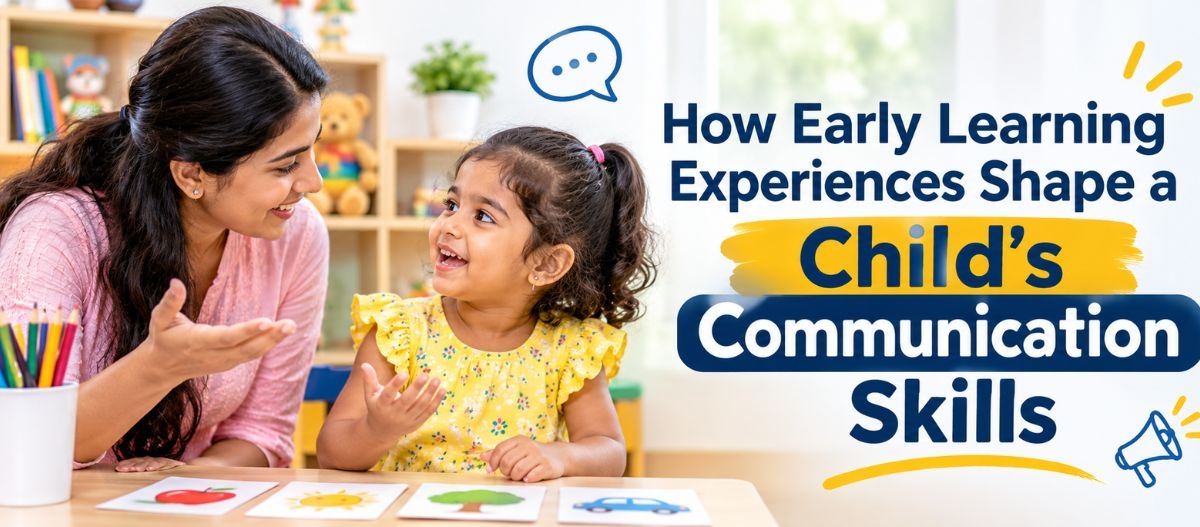
Communication is one of the most important skills children develop during their early years. From expressing their needs to sharing stories and interacting with others, every conversation helps them understand language and build relationships. Early learning experiences play a major role in shaping how children listen, speak, understand, and express their thoughts. Parents looking for Preschools in Velachery often consider learning environments that encourage children to communicate freely while developing confidence, vocabulary, and social skills. With the right guidance and everyday opportunities, children can gradually become effective communicators.
Developing Language Skills Through Everyday Conversations
Children learn language by listening to the people around them and trying to communicate their own thoughts. Simple conversations at home and in the classroom introduce them to new words, sentence structures, and different ways of expressing ideas.
Teachers can encourage communication by asking children about their favourite toys, daily activities, family members, and experiences. These small conversations help children understand how words are used in different situations.
When adults listen patiently and respond positively, children feel comfortable speaking without worrying about making mistakes. Regular conversations also help them improve their pronunciation, vocabulary, and ability to form meaningful sentences.
The Importance of Listening Skills
Good communication involves more than speaking. Children also need to learn how to listen carefully and understand what others are saying. Listening skills help them follow instructions, participate in group activities, and respond appropriately during conversations.
Activities such as storytelling, music, rhymes, and interactive games encourage children to pay attention to sounds and spoken words. Teachers can also introduce simple listening exercises where children identify objects, follow directions, or answer questions based on a short story.
These experiences gradually improve their concentration and understanding. Children also learn the importance of waiting for their turn and respecting others when they speak.
Building Confidence Through Group Activities
Some children express themselves easily, while others may need more time and encouragement. Group activities provide a comfortable setting where children can gradually become confident speakers.
Circle time, show-and-tell sessions, singing, role-playing, and small group discussions give children opportunities to share their thoughts with classmates. For example, a child may describe a favourite toy, talk about a family outing, or explain a picture they have drawn.
These activities help children become familiar with speaking in front of others. They also learn to communicate their ideas clearly and listen to different opinions. With regular encouragement, even shy children may become more comfortable participating in conversations.
Encouraging Communication Through Storytelling
Storytelling is a wonderful way to develop language and imagination during early childhood. Listening to stories introduces children to new vocabulary, sentence patterns, characters, and everyday situations.
Picture books are particularly useful because children can connect images with words and understand the meaning of a story more easily. Teachers can ask simple questions about the characters, events, and pictures to encourage children to think and respond.
Children can also be encouraged to retell familiar stories in their own words. This helps improve their memory, sentence formation, and ability to organize thoughts. Storytelling makes language learning enjoyable while allowing children to express their creativity.
Learning Communication Through Play
Play is a natural part of childhood and provides many opportunities for developing communication skills. During pretend play, children may act as shopkeepers, doctors, teachers, or family members. These imaginary situations encourage them to use different words, ask questions, and respond to others.
Building blocks, puzzles, outdoor games, and group activities also create opportunities for conversation. Children learn to explain what they are doing, share materials, discuss ideas, and work together to complete simple tasks.
Play-based learning helps children understand that communication is an important part of everyday interactions. It also teaches them cooperation, patience, and respect for others.
Developing Emotional Expression and Social Skills
Communication is closely connected to emotional development. Young children may sometimes find it difficult to explain what they feel, especially when they are upset, disappointed, or frustrated.
A supportive learning environment helps children identify and express their emotions through words. Teachers can introduce activities involving emotion cards, storytelling, conversations, and role-playing to help children understand different feelings.
When children learn to say that they are happy, sad, worried, or uncomfortable, they become better at expressing their needs. They also begin to understand the feelings of others, which supports empathy and healthy friendships.
The Role of Teachers in Communication Development
Teachers have an important influence on how children develop communication skills. Their everyday interactions create opportunities for children to listen, ask questions, express opinions, and learn new words.
A good teacher gives children enough time to respond instead of rushing to provide answers. They encourage participation, introduce meaningful vocabulary, and create an atmosphere where every child feels comfortable speaking.
Individual attention is equally important because children develop language abilities at different rates. Some may enjoy long conversations, while others may communicate through short sentences or gestures initially. Patient guidance helps each child make progress at their own pace.
How Early Learning Environments Support Communication Growth
A well-planned early learning environment provides children with different opportunities to communicate throughout the day. From classroom conversations and storytelling to outdoor play and creative activities, every experience can contribute to language development.
Parents searching for Play Schools in Pallikaranai can look for environments that balance structured learning with interactive experiences. Opportunities for group participation, practical activities, storytelling, and friendly conversations can help children become more confident in expressing themselves.
When teachers and parents work together, children receive consistent encouragement to communicate both inside and outside the classroom.
Conclusion
Communication skills developed during early childhood create a strong foundation for future learning and relationships. Everyday conversations, storytelling, group activities, and play help children improve their vocabulary, listening abilities, emotional expression, and confidence. Every child develops at a different pace, so patience and encouragement are essential throughout this journey. By providing positive interactions and meaningful learning opportunities, parents and educators can help children become confident communicators who are ready to express their ideas and connect with the world around them.



