

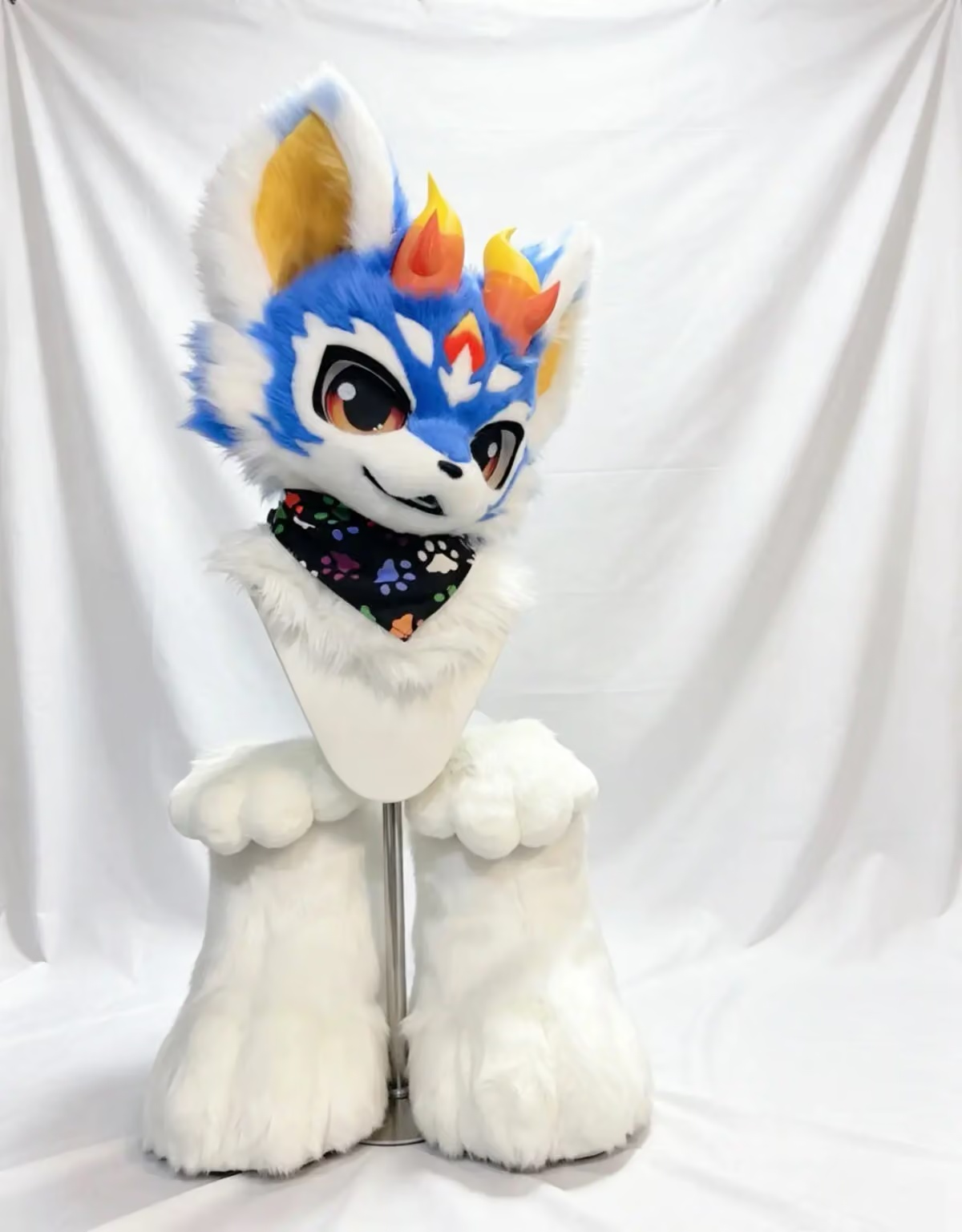
Hiring a fursuit maker is a big step, especially if it's your first suit. You're paying someone to turn a character into a wearable build, often over several months. Knowing how the process works makes it much easier to plan your budget, communicate clearly, and enjoy the wait. Here's what to expect from start to finish.
What a Fursuit Maker Does
A fursuit maker designs and builds custom fursuits by hand. That includes patterning, sewing, foam work, fur trimming, painting, and finishing. Some makers build everything themselves, while others work in a small team. Most specialize in certain pieces (heads, partials, or full suits) and in certain styles, such as toony, semi-realistic, realistic, or kemono.
Step 1: Finding a Maker
Start by browsing portfolios on social media, maker directories, and fandom communities. Look for work that matches the style of your character, rather than only the most popular makers. Check recent builds, not just highlights, and note how consistent the finishing is across different projects.
Step 2: Checking Commission Status
Many makers only open commissions at certain times, using a queue, lottery, or limited number of slots. Check their commission status, terms of service, and pricing page before contacting them. Reading these first shows you're serious, and it saves both sides time.
Step 3: Sending Your Reference Sheet
A good reference sheet is the foundation of the whole build. It should include:
- Clear color references and markings
- Front, side, and back views of the character
- Details such as eye color, fur length, and paw pad colors
- Examples of expressions you like
- Any features you want, such as a movable jaw or light-up details
The clearer your reference, the fewer misunderstandings later.
Step 4: Confirming Price, Terms, and Payment
Before work begins, a reliable maker will confirm in writing:
- What's included in the price
- The payment schedule and deposit terms
- Estimated timeline
- Policies on changes, delays, and refunds
- Shipping and customs responsibilities
Keep copies of all agreements and receipts.
Step 5: The Build
This is the longest stage. Makers typically work in this order:
- Planning and patterning: Turning your design into patterns and a build plan
- Base construction: Shaping the foam head and sewing pieces of the suit
- Fur work: Cutting, sewing, and trimming fur to match your markings
- Details: Eyes, nose, teeth, tongue, ears, and claws
- Features: Movable jaws, wiring, fans, or lights
- Finishing: Brushing, final trimming, and quality checks
Most makers share progress photos along the way, which gives you a chance to ask questions or approve key details.
Step 6: Delivery and Aftercare
Once finished, your suit is packed and shipped. Check it carefully when it arrives, and ask your maker about care instructions, repairs, and any warranty or fix policy they offer. Good makers will support you if something needs adjusting after delivery.
What Affects the Price?
- Maker experience and demand: Highly skilled makers with long waiting lists usually charge more.
- Type of suit: Heads cost less than partials, which cost less than full suits.
- Style: Realistic builds often take more time than simpler styles.
- Features: Movable jaws, custom eyes, and LED lights add to the total.
- Materials: Higher-quality fur and finishing materials raise the cost.
- Shipping and taxes: International orders may add extra fees.
How Long Does a Fursuit Take?
Build times vary widely. Some makers finish a head in a few weeks, while full suits can take several months, and waiting lists can add more time before work even begins. Ask for an estimated timeline and for updates if things change.
Signs of a Good Fursuit Maker
- A clear portfolio with consistent, clean work
- Open and honest communication
- Written terms and transparent pricing
- Regular progress updates
- Attention to comfort, including ventilation and visibility
Red Flags to Avoid
- Pressure to pay everything upfront with no written agreement
- Long silences with no updates
- Prices far below what similar makers charge
- No portfolio, or portfolio photos that look edited or copied
- Vague answers about timelines or what's included
Frequently Asked Questions
Can I ask for changes during the build?
Usually yes at early stages, but changes later can cost extra, so confirm your design first.
Should I pay in full upfront?
Many makers use deposits and installments. Check the terms and keep everything in writing.
What if my suit doesn't fit?
Ask about fitting and adjustment policies before you commit, and give accurate measurements.
Can makers ship internationally?
Many do, but customs and shipping times vary, so confirm the details first.
Final Thoughts
A good fursuit maker combines craftsmanship, clear communication, and respect for your character. Do your research, set up clear terms, and stay involved through the build, and the process will be smoother and more enjoyable. The result is a suit made to your design, ready to wear to conventions and meets.



