

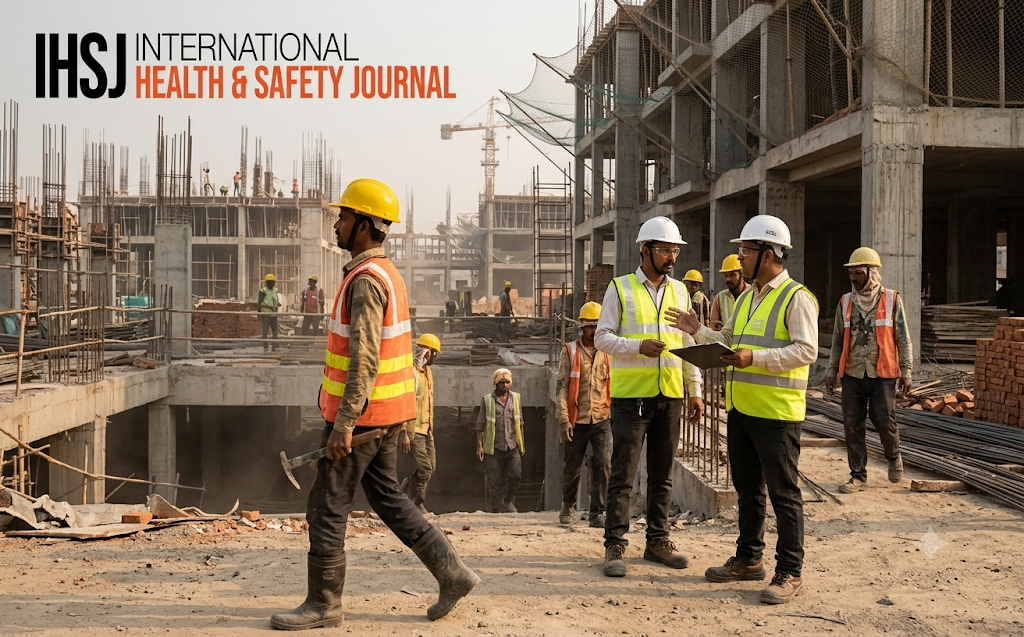
How Personal Protective Equipment in Construction Works in Indian Sites: Challenges, National Standards, and Ground Realities

India's construction sector is one of the largest employers in the country, powering highways, metros, housing, and industrial parks. With millions of workers on sites that range from towering high-rises to small neighbourhood builds, safety is a major concern. Heat, monsoons, crowded urban environments, and a large contract workforce all shape daily risks. In this guide, we explore how personal protective equipment in construction works on Indian sites, the challenges that complicate compliance, and the practical steps that employers and supervisors can take to improve outcomes. We will look at the role of national standards, the realities of contract labour, climate-related issues, and cultural factors that influence whether workers wear their gear. Whether you are a site engineer in Delhi NCR, a contractor in a smaller city, or a safety professional planning a large project, understanding these realities can help you build stronger protection from the ground up.
The Indian Construction Landscape
Construction in India is characterised by scale and diversity. Large infrastructure and commercial projects often operate with formal safety systems, while small and medium sites may rely on informal arrangements and limited resources. A significant share of workers are migrants, employed through contractors and subcontractors, and many move from site to site with little continuity in training. Daily wage arrangements, long working hours, and tight deadlines add pressure. Urban sites are often congested, with multiple trades working at once, heavy vehicles, and work at height. Language differences can complicate communication, and literacy levels vary. These realities mean that safety messages must be simple, visual, and repeated often. They also help explain why how personal protective equipment in construction is applied in practice can differ greatly from the written rules. Recognising the diversity of sites and workers is the starting point for designing solutions that are realistic, respectful, and effective in the local context.
Understanding National Standards and Compliance
India has national product standards covering many types of protective equipment, including safety helmets, footwear, gloves, eye protection, and respiratory devices, and these are supported by labour and building safety regulations that place duties on employers. In practice, compliance depends on awareness, enforcement, and the ability of buyers to identify genuine, certified products. Employers should confirm that the equipment they buy carries the appropriate national certification marking, and they should keep documentation on file for audits and inspections. Safety audits, whether internal or by third parties, can help identify gaps between policy and practice. Clients on large projects increasingly require contractors to demonstrate compliance as a condition of work. For smaller firms, simply learning which standards apply to each product can make a real difference. Clear awareness of requirements shows how personal protective equipment in construction can be aligned with legal expectations, protecting both workers and employers from the consequences of non-compliance.
Contract Workers and the Responsibility Gap
Contract labour is a cornerstone of the industry, but it creates a responsibility gap. When workers are hired through intermediaries, it may be unclear who is responsible for providing gear, training, and supervision. Principal contractors may assume subcontractors are handling it, while subcontractors may lack the resources or awareness to do so. Workers on short contracts may also have little incentive or opportunity to learn site rules. To close the gap, make responsibilities explicit in contracts, specifying who provides equipment and how it will be checked. Require all workers, regardless of employment type, to attend site induction and receive the same protective gear. Maintain records of who has been trained and issued equipment, and use simple identification systems such as coloured helmets or stickers to show training status. Site supervision must be consistent across all groups. Clear accountability demonstrates how personal protective equipment in construction can reach every worker on site, not only those directly employed by the main contractor.
Climate Challenges: Heat, Monsoon, and Dust
India's climate presents specific challenges. Summer temperatures can be extreme, making heavy gear uncomfortable and raising the risk of heat illness. Monsoon rains create slippery surfaces, reduce visibility, and increase the danger of electrical hazards and falls. Dust from excavation, cutting, and demolition is a constant concern, particularly in dry seasons and polluted cities. Employers should choose breathable, lightweight materials, provide ample drinking water and shaded rest areas, and schedule heavy work for cooler hours. In wet conditions, anti-slip footwear, waterproof outerwear, and bright reflective clothing improve safety. Dust masks and respirators must be properly selected and fitted for the task, with filters replaced regularly. Eye protection helps guard against grit and debris. By adapting gear to the season and environment, supervisors improve comfort and compliance. This adaptation is central to how personal protective equipment in construction can stay effective across the varied weather conditions found on sites from the northern plains to the coastal south.
Culture, Awareness, and Supervision
Even with the right equipment available, workers may skip it because of discomfort, habit, peer pressure, or a belief that accidents are bad luck. Some may worry that wearing gear slows them down, while others have never seen it used properly. Overcoming these barriers requires culture change. Provide training in simple language, using demonstrations, pictures, and short talks rather than lengthy documents. Supervisors and engineers should wear their own gear at all times to set an example. Recognise and reward good practice, and address violations promptly but fairly. Encourage workers to speak up about hazards and defective gear without fear of losing their jobs. Involve respected team leaders as safety champions, since peer influence is powerful. Regular site supervision, spot checks, and daily briefings keep standards high. Building awareness takes time, yet it is essential. It shows how personal protective equipment in construction succeeds when it is supported by respect, communication, and visible leadership.
Practical Steps for Improving Site Safety
Improvements do not have to wait for major investments. Start with a site-specific hazard assessment to identify the equipment needed for each task, and create a simple matrix that matches roles to gear. Buy certified products from reliable suppliers and issue personal items to each worker, with spares for visitors. Conduct a short safety induction for every newcomer, followed by daily toolbox talks. Set up a clear inspection routine, replacing worn or damaged items promptly. Use visual signage in local languages at entrances and work zones. Schedule regular safety audits and track incidents and near-misses so that trends can be addressed. Provide first-aid facilities, trained responders, and clear emergency procedures. Where possible, use digital tools such as photo-based checklists and attendance records to improve accountability. Collaborate with clients, consultants, and fellow contractors to share good practice. Taking these steps shows how personal protective equipment in construction can be improved step by step, making a safer site achievable for any project, large or small.
Conclusion
Safer sites in India will be built through a combination of standards, supervision, culture, and practical adaptation to local conditions. By clarifying responsibilities, choosing suitable gear, and communicating clearly, employers can protect a vast and diverse workforce. Remember that how personal protective equipment in construction is applied on the ground determines whether rules become real protection. Keep improving, keep listening to workers, and make safety part of every project plan. This article is presented by International Health and Safety Journal, committed to advancing workplace safety awareness across construction sites everywhere.
Frequently Asked Questions
1. Who is responsible for providing safety gear to contract workers in India?
Responsibility is usually shared and should be defined clearly in contracts. Principal employers and contractors are expected to ensure workers have suitable protective equipment and training.
2. How can I check that safety equipment meets national standards?
Look for the appropriate certification marking and product information, request test documents from the supplier, and buy from reputable sources. Keep records for audits.
3. What PPE is essential during the monsoon season?
Anti-slip footwear, waterproof clothing, high-visibility garments, and insulated gloves for electrical work are especially important, along with well-maintained helmets and secure fall protection.
4. How can sites with low-literacy workers communicate safety rules?
Use pictures, demonstrations, colour-coding, and short verbal briefings in the workers' own language. Repeat messages often and check understanding through practical examples.
5. What is the first step a small contractor should take to improve safety?
Conduct a hazard assessment of your site and provide certified basic gear to every worker, including helmets, boots, gloves, eye protection, and high-visibility clothing.



