

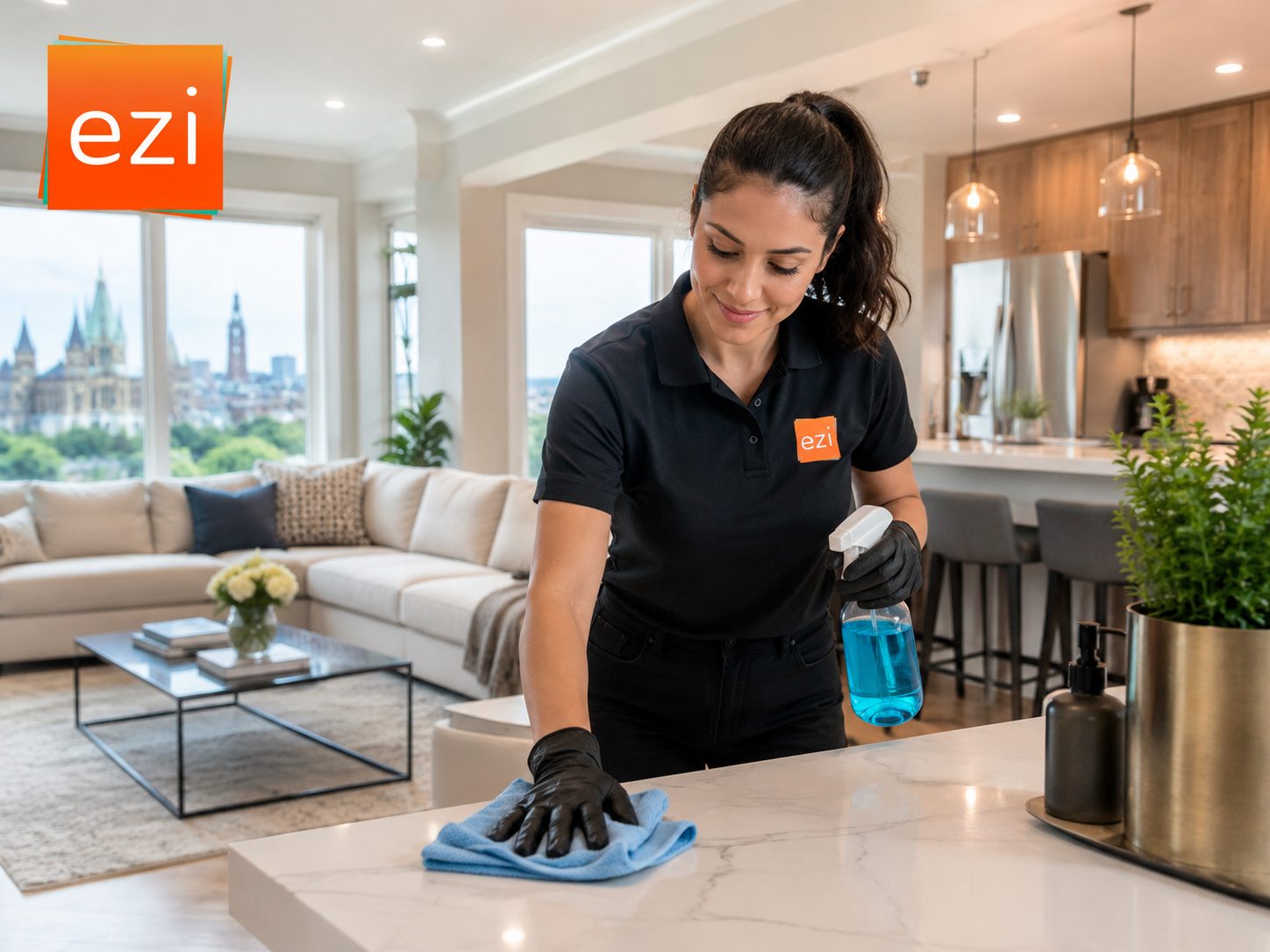

A clean home is not only about shiny floors. It is about the air you breathe, the water that touches your sinks, and the germs on your door handles. This guide explains house cleaning in Allen, Texas in simple words, so you know what to clean, how often, and how to get the best results.
Why Cleaning a Home in Allen Is a Little Different
Every town has its own dirt. In Allen, two things stand out. They are pollen and hard water. Let us look at each one.
Pollen comes inside all year
Pollen is the tiny yellow dust that plants make. It floats in the air and sticks to shoes, pets and clothes. Then it rides into your house.
North Texas is warm. A doctor told KERA News that places without a big yearly frost have a pollen season that lasts almost all year. The same report names three main pollen seasons in Texas:
- Fall: ragweed and elm.
- Winter: cedar. Wind can carry it to North Texas from December to February.
- Spring: other trees, until around June.
This means a house in Allen needs steady cleaning, not just one big spring clean.
Hard water leaves spots
Water is not just water. It carries tiny minerals. Allen buys its water from the North Texas Municipal Water District, which takes it from Lavon Lake and other lakes. The city’s 2023 Water Quality Report lists the 2022 total hardness of Allen water. It ranged from 90 to 194 mg/L.
What do those numbers mean? The U.S. Geological Survey says water is soft at 60 mg/L or less, moderately hard from 61 to 120, hard from 121 to 180, and very hard above 180. So Allen’s water can sometimes reach the very hard range. The USGS also explains that hard water uses up soap before a lather forms, leaves soap curd on bathtubs, and makes scale in water heaters and pipes.
The city says the minerals are not a health worry. But they do make white spots on faucets, glass shower doors and dishes. Here is what helps:
- Wipe faucets and glass dry after you use them.
- Clean mineral spots often, before they get thick.
- Use a cleaner made for mineral scale. Read the label first, and never mix cleaning products.
Vacuum the Smart Way
Vacuuming picks up dust, pet hair and pollen. But a poor vacuum can blow tiny dust back into the air. The American Lung Association says that vacuums without enough filtering can become a source of tiny particles, which matters most for children, older adults and people with lung disease.
Here is what the Lung Association suggests:
- Pick a vacuum with a true HEPA filter. A true HEPA filter traps 99.97 percent of particles. A “HEPA-type” filter is not the same.
- Choose a sealed system, so all the air goes through the filter.
- Bagged vacuums often keep dust in better than bagless ones. Bagless ones can puff out dust clouds when you empty them.
- Clean or replace the filter as the maker says.
- Open a window or run an exhaust fan while you work.
- Go slowly forward and back, then go across at a right angle.
If someone in your home has asthma, COPD or bad allergies, the Lung Association also suggests an air cleaner with a HEPA filter.
Cleaning and Disinfecting Are Not the Same Thing
Many people think they must disinfect everything. The Centers for Disease Control and Prevention (CDC) says that in most situations, cleaning with soap and water can remove most germs. Disinfecting is needed when someone is sick, or when someone sick has recently visited.
| Word | What it means (CDC) |
|---|---|
| Cleaning | Using water, soap and scrubbing to remove germs, dirt and other things from surfaces. |
| Sanitizing | Lowering germs to a level public health rules call safe. |
| Disinfecting | Using chemicals to kill the germs that are left. Clean first, then disinfect. |
The CDC also says to clean high-touch surfaces regularly, such as light switches, doorknobs and countertops. Clean other surfaces when they look dirty. Always follow the label on any disinfectant.
A Simple Cleaning Plan for Your Allen Home
Not every room needs the same love. A kitchen is used all day. A spare bedroom may be used twice a year. The table below is a simple guide. It is a practical plan, not a legal rule. Change it to fit your family.
| Place | What to do | Good habit |
|---|---|---|
| High-touch spots (handles, switches, counters) | Wipe with soap and water. Disinfect when someone is sick. | Often, and after guests |
| Kitchen | Counters, sink, stovetop, floor | Weekly or more |
| Bathrooms | Toilet, sink, tub, mineral spots | Weekly |
| Floors and rugs | Vacuum with a good filter | Weekly, more if you have pets |
| Entryway | Shake out mats, sweep, mop | Weekly in pollen season |
| Bedding | Wash sheets | Regularly, and more in allergy season |
| Spare rooms | Dust and vacuum | When they look dusty |
Easy tricks for pollen season
- Take shoes off at the door.
- Keep a mat inside and outside every main door.
- Wipe your pet’s paws after walks.
- Wash bedding more often when your allergies are bad.
How to Choose Help With House Cleaning in Allen
Some people clean alone. Others want help, especially for deep cleans, move-outs or busy weeks. If you are comparing house cleaning Allen has to offer, a few questions make the choice easier.
Questions to ask before you book
- What is included? Ask for a written list of rooms and tasks. Extras like the inside of the oven or fridge may cost more.
- Can I pick the rooms? A good plan puts the time where you need it most, like the kitchen and bathrooms.
- Who brings the supplies? Ask if cleaners bring their own, and tell them about any product you do not want used.
- How are workers checked? Ask about identity checks and how problems are handled.
- How does pricing work? Look for a clear price before you pay, and ask what happens if the job takes longer.
- What about pets and allergies? Tell the cleaners ahead of time. Say if anyone has asthma, so they can ventilate and use the right vacuum.
Get your home ready
- Pick up toys, clothes and clutter from floors and counters.
- Put away anything fragile or valuable.
- Write down your top three priorities, such as bathrooms, kitchen and floors.
- Share door codes or entry notes in a safe way.
Sources Used in This Guide
- KERA News: What makes a bad allergy season in Texas
- City of Allen: 2023 Water Quality Report
- U.S. Geological Survey: Significance of dissolved minerals in water
- American Lung Association: Picking the best vacuum for your health
- Centers for Disease Control and Prevention: Cleaning and disinfecting
Conclusion
A healthy home in Allen starts with a few simple ideas. Expect pollen in many months of the year, and keep doors, mats and floors under control. Expect mineral spots from hard water, and wipe them early. Use a good filter when you vacuum. Clean often, and disinfect only when it is needed. If you choose to hire help, ask clear questions and put your priorities in writing. Small habits done often beat one giant clean once a year.
Frequently Asked Questions
How often should I clean my house in Allen, TX?
Clean high-touch surfaces regularly, and clean kitchens, bathrooms and floors about once a week. In pollen seasons, or if you have pets or allergies, clean floors and wash bedding more often.
Why does my Allen home get white spots on faucets and glass?
Those spots are mineral deposits from hard water. Allen’s 2022 water testing showed total hardness from 90 to 194 mg/L, and the USGS calls water above 180 mg/L “very hard.” The minerals are not a health worry, but wiping surfaces dry helps a lot.
Do I need to disinfect my home every day?
No. The CDC says cleaning with soap and water removes most germs in most situations. Disinfect when someone is sick or when a sick person has recently visited, and follow the product label.
What kind of vacuum is best for allergies?
The American Lung Association suggests a sealed vacuum with a true HEPA filter, which traps 99.97 percent of particles. Bagged models often hold dust better than bagless ones.
Should I clean spare bedrooms every week?
Not always. Rooms that few people use can be cleaned when they look dusty. Put your time into the kitchen, bathrooms, entryway and living areas first.



