

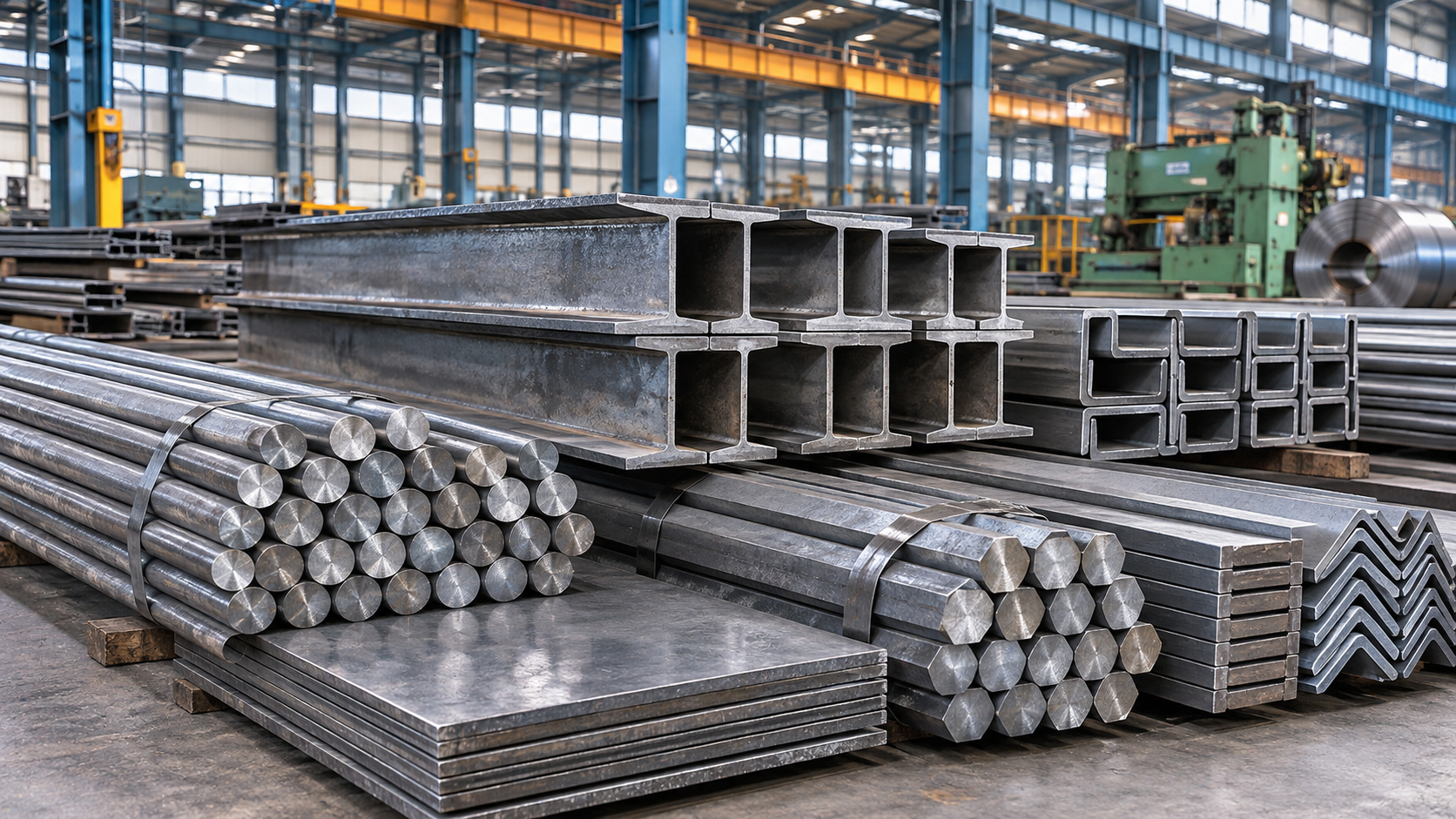

Selecting the correct steel material is an important decision in construction, manufacturing and industrial fabrication. The wrong material specification can create unnecessary machining difficulties, fabrication challenges and additional project costs.
MS Steel is a popular choice for general engineering because it offers a practical combination of ductility, weldability, strength and affordability. However, not every mild steel product is suitable for every application. Buyers must consider material grades, dimensions, manufacturing conditions and intended usage before placing an order.
Understand Your Project Requirements First
Before purchasing MS Steel, identify the actual purpose of the material. A component used in a structural framework may have different requirements from a machined shaft or fabricated machine base.
Start by evaluating:
-
Expected load and working conditions.
-
Required strength and ductility.
-
Welding and machining requirements.
-
Environmental exposure.
-
Product dimensions and tolerances.
-
Applicable technical standards.
These details help narrow down the suitable material specifications.
Know the Different MS Steel Grades
Mild steel is a broad material category rather than a single universal grade. Different grades have different chemical compositions and mechanical properties.
Some commonly encountered options include:
IS 2062: A structural steel specification widely used for general fabrication and structural applications. Different grades, including E250 and E350, have different specified strength requirements.
SAE 1018: A low-carbon steel commonly considered for machining and general engineering components.
EN3B: A low-carbon engineering steel used in general fabrication and machining applications.
C15 and C20: Low-carbon engineering steels used for selected machined and manufactured components.
The correct selection depends on the design, applicable specification and required mechanical properties. These grades should not automatically be treated as interchangeable.
Select the Appropriate MS Steel Product Form
The product form determines how easily the material can be incorporated into the manufacturing process.
MS Steel Round Bars
Round bars are commonly used for pins, shafts, bushes, rollers and general engineering components. They are available in different diameters and manufacturing conditions.
MS Steel Flat Bars
Flat bars are useful for brackets, supports, frames, gates and fabricated assemblies. Their rectangular cross-section makes them convenient for cutting and welding operations.
MS Steel Hex Bars
Hexagonal bars are suitable for machined components, industrial fittings, fasteners and parts requiring a hexagonal profile.
MS Steel Plates
Plates are widely used in heavy fabrication, machinery bases, industrial tanks, hoppers and structural components.
MS Structural Steel
Beams, channels and angle sections support building frameworks, industrial platforms, sheds and other structural applications.
Why Material Certification Matters
Material verification should be an essential part of industrial procurement.
A Mill Test Certificate (MTC) provides information about the material supplied, including relevant chemical composition and mechanical test results. Buyers should match the certificate with the specified grade, heat or batch identification and delivered material.
For projects involving strict quality requirements, third-party inspection may also be considered.
Good procurement practices help reduce the risk of receiving material that does not meet the engineering specification.
Choosing Experienced MS Steel Suppliers
A reliable supplier should understand the difference between product categories, grades and manufacturing conditions.
When evaluating MS Steel Suppliers, consider:
-
Whether they can source the required grade.
-
Whether the dimensions match your technical requirements.
-
Whether mill documentation is available.
-
Whether custom procurement is possible.
-
Whether delivery arrangements suit your project schedule.
Steel Exchange offers a range of mild steel products, including round bars, flat bars, hex bars, plates and structural sections. Its sourcing process considers grade, size, quantity and inspection requirements.
Make Your MS Steel Procurement More Efficient
A well-defined purchase requirement makes the quotation and sourcing process easier.
Instead of requesting only a general MS Steel price, provide the supplier with the exact grade, dimensions, quantity, product form and destination. Include inspection or certification requirements wherever necessary.
Steel Exchange supports specification-based sourcing, custom orders, mill test certificate documentation and pan-India delivery arrangements.
Businesses seeking experienced MS Steel Suppliers can explore its product range and discuss their requirements
Frequently Asked Questions
1. How do I select the right MS Steel grade?
Consider the application's strength requirements, fabrication method, working environment and applicable engineering standards before selecting a grade.
2. Is MS Steel suitable for welding?
Yes. Low-carbon mild steel generally offers good weldability. However, welding procedures should consider material thickness, grade and fabrication conditions.
3. What is the difference between MS round bars and flat bars?
Round bars have a circular cross-section and are commonly used for shafts and pins. Flat bars have a rectangular cross-section and are frequently used for supports and fabrication.
4. What documents should I request when buying MS Steel?
Request a relevant Mill Test Certificate containing traceable material identification and applicable chemical and mechanical test information.
5. Can MS Steel be customised according to project requirements?
Yes. Buyers can discuss specific grades, dimensions, quantities and cut-to-length requirements with suppliers, subject to sourcing and processing availability.



