


A drainage system may work properly on the day a building is handed over, but its actual performance is tested during years of regular use. Blockages, difficult access points, damaged connections and unplanned repairs can create inconvenience for occupants and additional maintenance expenses for building owners.
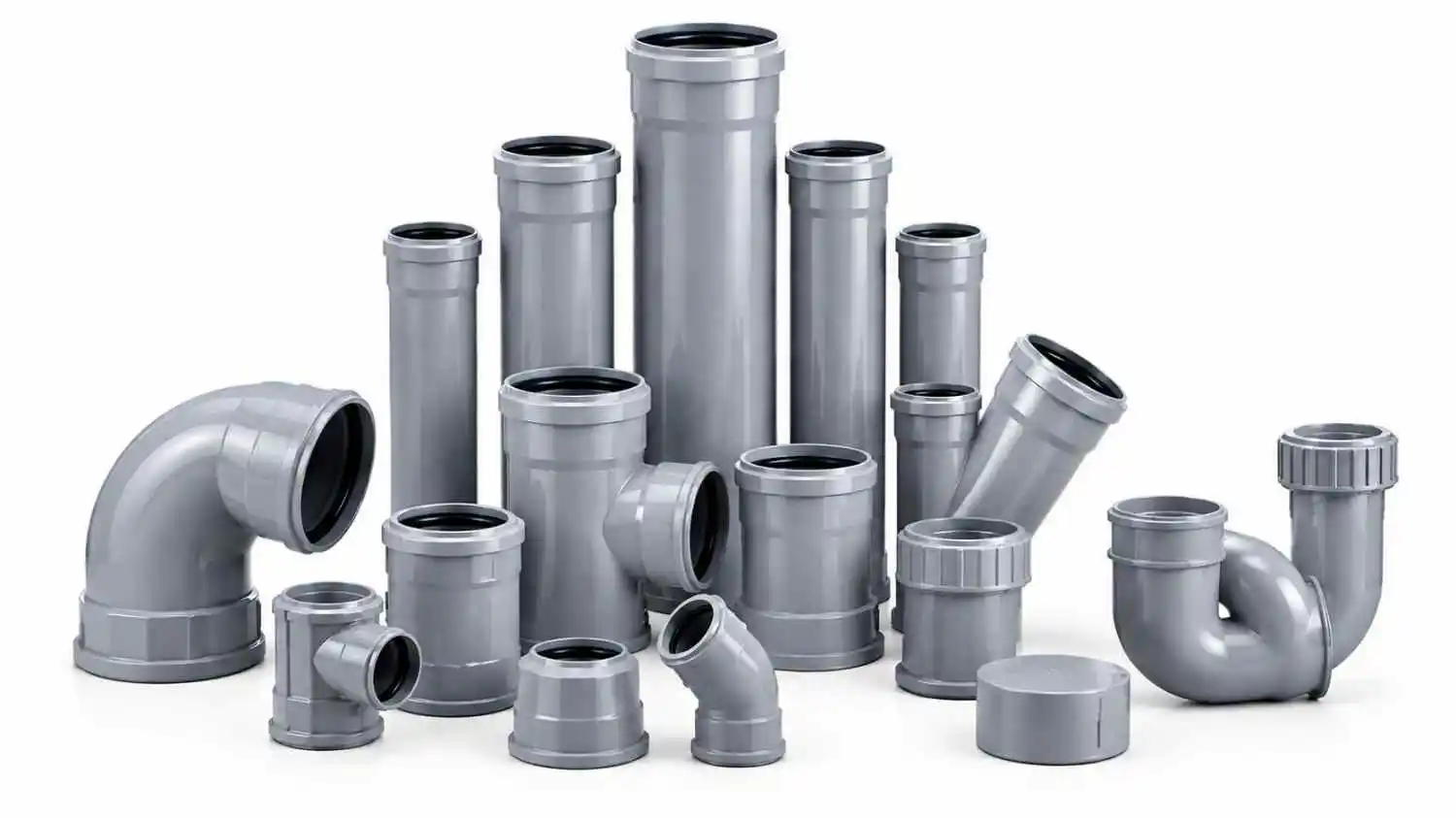
Choosing suitable SWR Pipes & Fittings is one part of planning a drainage network that can be inspected and maintained without unnecessary disruption. Architects, plumbing contractors and procurement teams should consider both installation requirements and future access before finalising the material schedule.
A practical drainage plan should identify where pipes will run, where connections will be made and which sections may require inspection. These decisions can influence maintenance work long after construction is complete.
Design Pipe Routes for Easier Maintenance
The route of a drainage line affects how easily technicians can inspect or repair it. Pipes hidden behind permanent structures or placed in difficult-to-reach areas may increase the effort required for future maintenance.
When planning SWR Pipes and Fittings, review the building layout and identify suitable access locations. Coordinate pipe routes with structural elements, electrical services and other plumbing lines. This reduces the possibility of conflicts during construction and makes future inspection more manageable.
The plumbing drawing should clearly show vertical stacks, horizontal branches, connection points and changes in direction. Site teams should work from the latest approved drawing rather than relying on verbal instructions or outdated copies.
Where access is required for inspection or cleaning, the design professional should specify appropriate access arrangements. These should be considered before walls, ceilings or service enclosures are closed.
Select Fittings According to the Actual Layout
Every drainage network contains connections and direction changes. Selecting fittings without checking their intended position can create alignment problems and make installation more complicated.
Prepare a separate fitting schedule from the approved drawing. Include elbows, couplings, reducers and other components required for the planned arrangement. Check the dimensions and connection types before approving the purchase order.
Suitable SWR Pipe Fittings should match the pipe dimensions and joint arrangement specified for the system. Avoid selecting components simply because they are available in the market. Their suitability must be checked against the project requirements.
A fitting schedule also helps the procurement team compare supplier quotations. Instead of requesting a general price for drainage material, buyers can provide an itemised requirement and receive a more useful quotation.
Consider Blockage Risks During Planning
Drainage blockages can result from unsuitable system design, incorrect installation, improper use or inadequate maintenance. A pipe product alone cannot prevent every blockage.
The drainage layout should account for the type of wastewater being carried and the intended direction of flow. Changes in direction, branch connections and access arrangements should follow the approved plumbing design. Installation teams should also avoid introducing construction debris, cement residue or other unsuitable material into open pipe sections.
Building managers should understand which waste materials should not enter the drainage network. Regular inspection and timely cleaning, where required, can help identify developing problems before they cause major disruption.
Check Joint Compatibility Before Installation
A drainage system contains several connected sections, so joint compatibility deserves attention. The selected jointing method should match the product specification and approved installation procedure.
Flowtek's product information lists solvent-cement and rubber-ring joint options for its UPVC SWR pipe range. Buyers should confirm the required option, dimensions and current product details before ordering.
For solvent-cement connections, installation teams should follow the relevant preparation and joining instructions. For rubber-ring connections, inspect the ring and socket before assembly and use the recommended installation procedure.
Do not combine different jointing arrangements without confirming compatibility. If replacement material is being purchased for an existing network, identify the installed pipe dimensions and connection type first. This can prevent unnecessary changes during repair work.
Plan Replacement and Repair Requirements
Building maintenance teams may eventually need to replace a damaged pipe section or modify a connection. The original product details and plumbing drawings can make this work easier.
Keep records of the pipe sizes, fitting types and joint arrangements used in the building. Where possible, retain purchase orders, product information and relevant delivery documents. These records give maintenance personnel a reference when identifying replacement material.
When buying replacement components, check the existing installation rather than assuming that a product with a similar appearance will fit. Differences in dimensions or joint arrangements can prevent proper connection.
For larger projects, procurement teams can also discuss the availability of commonly required items with their supply partners. This is particularly useful for buildings where maintenance work may happen in phases.
Evaluate Suppliers on Product and Service Clarity
A quotation should explain exactly what is being supplied. Buyers comparing SWR Pipes and Fittings Suppliers should check product descriptions, dimensions, lengths, joint options and quantities instead of comparing only the total price.
Ask suppliers to clarify any missing information before issuing the purchase order. Confirm how products will be packed, what delivery documents will accompany the shipment and how shortages or visible transit damage should be reported.
A reliable SWR Pipes and Fittings Dealer should communicate clearly about the quoted items and any details that require confirmation. Buyers should keep written records of agreed specifications to reduce confusion between the quotation and the delivered material.
For projects involving several buildings or installation phases, maintain a separate material schedule for each location. This makes it easier to track consumption and identify additional requirements.
Conclusion
A drainage system should be planned for daily use as well as future inspection and repair. Clear pipe routes, suitable access arrangements, compatible fittings and organised product records can make maintenance easier for building owners and facility teams.
If you are looking for a reliable SWR Pipes and Fittings Manufacturer, share your required sizes, quantities, fitting schedule and delivery location with Flowtek. Our team can review your enquiry and confirm the applicable MOQ, product availability and expected response or dispatch timeline.
Frequently Asked Questions
1. Why should maintenance access be considered during drainage planning?
Access arrangements can help technicians inspect and maintain drainage sections without unnecessary dismantling of building structures. They should be considered during the design stage.
2. What information should be included in an SWR material schedule?
Include pipe dimensions, lengths, joint types, fitting descriptions and quantities. The schedule should be prepared from the latest approved plumbing drawing.
3. Can incorrect fittings affect drainage installation?
Yes. Incorrect dimensions or connection types can create alignment difficulties and may require material replacement. Check fitting compatibility before installation.
4. What should buyers compare when choosing SWR Pipes and Fittings Suppliers?
Compare quoted specifications, product availability, packaging, documentation and delivery arrangements. Ask for written confirmation before placing an order.
5. How can building managers prepare for future pipe repairs?
Maintain copies of plumbing drawings, purchase records and product details. These documents can help identify the correct replacement components when repairs are needed.



