

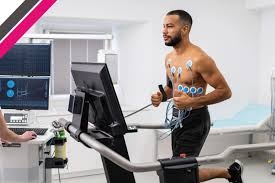

Heart health is not always easy to assess through symptoms alone. Some people experience chest discomfort, breathlessness, or unusual fatigue during physical activity, even when they feel comfortable at rest. In such situations, doctors may recommend a tmt test in bangalore to understand how the heart responds to exercise. If you are exploring treadmill stress test services in Bangalore, learning about the procedure can help you feel more prepared. Knowing why the test is performed, how it works, and what the results mean can make your diagnostic experience more comfortable.
What Is a Treadmill Stress Test?
A treadmill test, also called a cardiac stress test or exercise stress test, evaluates how the heart functions when the body is physically active.
During the procedure, you walk on a treadmill while healthcare professionals monitor your heart's electrical activity using an electrocardiogram (ECG). Your heart rate and blood pressure are also recorded at different stages of exercise.
The treadmill gradually increases in speed and incline, making the activity more challenging. This allows doctors to observe how your cardiovascular system responds to increasing physical demands.
Unlike a resting ECG, which records heart activity while you are relaxed, an exercise test provides additional information about your heart's response to physical exertion.
Why Might a Doctor Recommend a TMT Test in Bangalore?
Doctors may suggest an exercise stress test when they need more information about cardiovascular function, particularly when symptoms occur during physical activity.
Some common reasons include:
-
Chest discomfort: To investigate symptoms that may be related to reduced blood supply to the heart.
-
Breathlessness during exercise: To assess cardiovascular response when physical activity causes unusual breathing difficulties.
-
Exercise-related fatigue: To investigate unexplained tiredness associated with exertion.
-
Heart disease assessment: To help evaluate certain patients with suspected coronary artery disease.
-
Treatment monitoring: To assess exercise tolerance in selected patients receiving cardiac treatment.
-
Exercise planning: To help determine an appropriate level of physical activity for certain individuals.
A doctor may also recommend other investigations, such as an echocardiogram, blood tests, or coronary imaging, depending on the symptoms and medical history.
How Is the Treadmill Stress Test Performed?
Understanding the procedure beforehand can reduce uncertainty, especially if you have never undergone cardiac testing.
The examination generally involves the following stages:
1. Initial Assessment
The healthcare professional reviews your medical history, current medications, and symptoms. Your resting heart rate and blood pressure are recorded.
2. ECG Electrode Placement
Small electrodes are attached to your chest using adhesive patches. These connect to monitoring equipment that continuously records your heart's electrical activity.
3. Walking on the Treadmill
You begin walking at a comfortable pace. The speed and incline gradually increase according to a standardised exercise protocol.
4. Continuous Monitoring
Throughout the examination, the medical team monitors your ECG, heart rate, blood pressure, and symptoms. They may ask how you are feeling as the exercise becomes more demanding.
5. Recovery Monitoring
After exercise stops, your heart rate and blood pressure are monitored during recovery. The results are then reviewed by the appropriate medical professional.
The test usually takes around 30–45 minutes, including preparation and recovery, although the actual exercise period is generally shorter.
How to Prepare Before Your Appointment
Proper preparation helps the medical team conduct the examination safely and obtain useful information.
If you have booked a tmt test in bangalore, follow the instructions provided by your doctor and diagnostic centre.
Here are some practical preparation tips:
-
Wear comfortable clothes: Choose lightweight clothing and walking shoes suitable for exercise.
-
Avoid heavy meals: Follow the centre's advice about eating before the appointment.
-
Discuss medications: Do not stop prescribed medicines unless your doctor specifically instructs you to do so.
-
Avoid stimulants: Ask whether caffeine, smoking, or other stimulants should be avoided before testing.
-
Share your medical history: Inform the healthcare team about existing heart conditions, previous procedures, and current symptoms.
-
Arrive on time: Allow enough time for registration and pre-test assessment.
If you are unwell or experiencing new symptoms on the day of your appointment, inform the medical team before proceeding.
Is a Treadmill Stress Test Safe?
An exercise stress test is generally considered safe when performed on appropriately selected patients under trained medical supervision. However, because it involves physical exertion, it is not suitable for everyone.
Doctors may avoid or postpone the examination in certain situations, such as an active cardiac emergency, severe uncontrolled symptoms, or other medical conditions that make exercise unsafe.
The medical team monitors your response throughout the procedure and can stop the test if concerning symptoms or changes occur.
If you experience chest pain, severe breathlessness, fainting, or other alarming symptoms outside the testing environment, seek immediate medical attention rather than waiting for a scheduled appointment.
Understanding Your TMT Test Results
Once the examination is complete, a qualified doctor reviews the recorded information and prepares an interpretation.
The report may include details about:
-
Heart rate response during exercise.
-
Blood pressure changes.
-
ECG patterns during physical activity.
-
Exercise duration and achieved workload.
-
Symptoms experienced during the procedure.
-
Recovery patterns after exercise.
An abnormal result does not automatically confirm a heart condition. Similarly, a normal result cannot rule out every form of heart disease.
When reviewing a tmt test in bangalore report, your doctor considers your age, symptoms, medical history, and other investigation results before recommending further action.
Choosing a Reliable Diagnostic Centre in Bangalore
Selecting an appropriate facility is an important part of the diagnostic process. Consider these factors before scheduling your examination:
-
Qualified medical supervision: Check whether trained professionals conduct the test and whether appropriate medical supervision is available.
-
Monitoring equipment: Ensure the facility has suitable ECG and blood pressure monitoring systems.
-
Emergency preparedness: Ask whether the centre has appropriate emergency response arrangements.
-
Reporting process: Understand who interprets the findings and when the report will be available.
-
Accessibility: Consider location, appointment availability, and convenience when travelling.
The right facility should prioritise patient safety, clear communication, and proper clinical procedures rather than focusing only on appointment costs.
Conclusion
A treadmill stress test can provide useful information about how your heart responds to physical activity. It helps doctors investigate certain symptoms, assess exercise tolerance, and guide further cardiac evaluation when necessary. If you are considering a tmt test in bangalore, consult your doctor about whether the examination is appropriate for your health needs. Choosing a properly equipped diagnostic facility and following preparation instructions can help make the experience smoother and more informative.
Frequently Asked Questions
1. How long does a treadmill stress test take?
The complete appointment generally takes around 30–45 minutes, including preparation, exercise, and recovery monitoring.
2. Can I eat before the examination?
You may need to avoid heavy meals for a specified period. Follow the instructions provided by your doctor or diagnostic centre.
3. Should I stop taking my regular medication?
No. Never discontinue prescribed medication independently. Your doctor will advise whether any adjustments are necessary.
4. Can older adults undergo this examination?
Yes, some older adults can undergo exercise testing if their doctor considers it appropriate after evaluating their overall health and physical ability.
5. Does an abnormal result mean I have heart disease?
Not necessarily. An abnormal finding requires clinical interpretation and may lead to additional investigations before a diagnosis is established.



